

Search Engine Optimization (SEO) has become the backbone of online success for businesses across the UK. With search engines constantly updating their algorithms, understanding SEO in 2025 requires a strategic approach that combines both technical expertise and creative content strategies.
Understanding the Fundamentals of SEO
SEO, or Search Engine Optimization, is the process of optimizing a website to improve its visibility in search engine results pages (SERPs). At its core, SEO is about matching user intent with relevant content, ensuring that when someone searches for a product, service, or information, your website appears as a trusted and authoritative source. In 2025, SEO is no longer just about keywords; it’s about user experience, mobile optimization, site speed, and structured data. Businesses in the UK must understand that modern SEO encompasses multiple layers including on-page, off-page, technical, and content SEO. By implementing a holistic approach, companies can attract organic search traffic, increase brand credibility, and drive higher conversions. Furthermore, Google’s algorithms now prioritize content quality, E-A-T (Expertise, Authority, Trustworthiness), and user engagement, making it essential for businesses to deliver high-value content that aligns with searcher intent. A strong SEO foundation ensures sustainable growth, better online visibility, and long-term success for businesses in competitive industries.
The Importance of Keyword Research in SEO
Keyword research is the cornerstone of any SEO strategy. It involves identifying the words and phrases that potential customers use when searching for products or services online. In 2025, keyword research goes beyond simple volume metrics; it requires understanding search intent, competitiveness, and relevance. By focusing on the right keywords, businesses can target the audience that is most likely to convert. UK companies, for example, can benefit from using localized keywords such as “SEO services UK” or “local SEO optimization” to attract geographically relevant traffic. Tools like Google Keyword Planner, Ahrefs, and SEMrush provide actionable insights into search trends and competition levels. Additionally, long-tail keywords play a crucial role in capturing specific queries, increasing the chances of ranking higher in niche segments. Proper keyword research informs content creation, meta tags, and internal linking, ensuring that every aspect of your website is optimized to meet search engine requirements and user expectations.
On-Page SEO: Optimizing Your Website Content
On-page SEO refers to the practice of optimizing individual pages to rank higher in search engines and earn relevant traffic. This includes title tags, meta descriptions, headings, and URL structure. In 2025, on-page SEO emphasizes content relevance, keyword placement, and semantic optimization. Using keywords naturally within the content, adding internal links to related pages, and optimizing images with alt tags improves both usability and search engine indexing. Content should be structured with clear headings and subheadings to enhance readability and engagement. Additionally, HTML elements like schema markup help search engines understand your content contextually. UK businesses must ensure that every page provides valuable, informative, and unique content that addresses the user’s query effectively. On-page SEO also involves technical aspects such as improving page load speed, ensuring mobile responsiveness, and implementing HTTPS for website security. A well-executed on-page SEO strategy enhances the user experience while increasing the likelihood of higher search engine rankings.
Off-Page SEO: Building Authority and Trust
Off-page SEO focuses on actions taken outside of your website to improve its ranking, primarily through backlinks and social signals. In 2025, off-page SEO is less about quantity and more about quality; authoritative backlinks are critical to signaling trustworthiness to search engines. Guest posting, influencer collaborations, and partnerships with reputable websites increase your site’s domain authority. Social media mentions, online reviews, and engagement also contribute indirectly by driving traffic and building brand reputation. For UK businesses, securing backlinks from locally relevant sources enhances credibility and improves local search performance. Off-page SEO complements on-page optimization, creating a holistic approach that positions your website as a reliable source in your industry. Consistent monitoring of backlink quality is essential to avoid spammy links that could harm rankings. By investing in high-quality off-page SEO strategies, businesses can establish long-term authority, increase referral traffic, and achieve sustainable growth in organic search results.
Technical SEO: Enhancing Website Performance
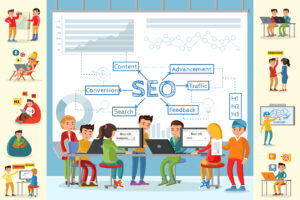 Technical SEO is the backbone of search engine optimization, ensuring that a website is accessible, fast, and easy for search engines to crawl. Key elements include site architecture, XML sitemaps, robots.txt files, and canonical tags. In 2025, search engines emphasize user experience, making mobile-friendliness, secure connections (HTTPS), and site speed crucial ranking factors. Structured data, or schema markup, enables search engines to display rich results, enhancing click-through rates. Technical SEO also involves fixing broken links, optimizing crawl budget, and ensuring proper indexing of all essential pages. For UK businesses, implementing local business schema can improve visibility in local search results and Google Maps. Regular technical audits identify issues that may impact rankings, such as duplicate content, slow loading pages, or unresponsive design. By maintaining a technically sound website, companies ensure seamless user experiences while satisfying search engine algorithms, creating a foundation for all other SEO efforts.
Local SEO: Reaching Customers Near You
Local SEO focuses on optimizing a website to attract geographically relevant traffic, especially for businesses that serve a specific region. In 2025, local SEO involves claiming and optimizing Google Business Profile listings, building local citations, and generating positive customer reviews. For UK companies, including local keywords such as city or neighborhood names in content and metadata enhances visibility for location-specific searches. Mobile optimization is critical, as many users search for services while on the go. Local SEO also leverages structured data to display business information such as hours, address, and contact details in search results. Engaging with local communities online and encouraging satisfied customers to leave reviews further strengthens local authority. Effective local SEO drives foot traffic, improves brand recognition within the community, and increases conversions from nearby prospects actively searching for services.
Content Optimization: Creating SEO-Friendly Material
Content remains the king of SEO, and optimizing it ensures maximum visibility and engagement. In 2025, content optimization requires aligning with search intent, using semantic keywords, and maintaining readability across devices. High-quality content that provides actionable insights, solves problems, and engages readers improves dwell time and reduces bounce rates. Incorporating multimedia elements such as images, videos, and infographics enhances user experience while supporting keyword strategies. Internal linking guides visitors to related pages, spreading link equity throughout the website. UK businesses should focus on creating content that resonates with the target audience while maintaining SEO best practices. Regular updates and audits of existing content ensure it remains relevant and competitive. By prioritizing content optimization, companies can boost organic traffic, improve rankings, and establish themselves as authoritative voices in their industries.
Link Building Strategies for SEO Success
Link building is a critical component of SEO, involving acquiring hyperlinks from other websites to your own. In 2025, effective link building emphasizes quality over quantity, seeking links from authoritative and relevant sources. Techniques include guest posting, broken link building, influencer outreach, and creating shareable content that naturally attracts backlinks. Internal linking also plays a vital role, distributing authority across pages and enhancing navigation. For UK businesses, securing links from reputable local sources can significantly improve domain authority and local search rankings. Monitoring backlinks ensures that toxic or spammy links are disavowed to maintain website health. A strong link-building strategy not only boosts search engine rankings but also drives referral traffic and strengthens your brand’s online reputation.
Mobile SEO: Optimizing for a Mobile-First World
With mobile devices dominating internet usage, mobile SEO is crucial for ranking and user engagement. In 2025, Google primarily uses mobile-first indexing, meaning your mobile site’s performance directly impacts search rankings. Responsive design, fast loading times, and intuitive navigation are essential for mobile optimization. AMP (Accelerated Mobile Pages) can enhance speed, while touch-friendly interfaces improve usability. Mobile SEO also involves optimizing images, compressing files, and minimizing scripts to reduce loading delays. UK businesses targeting mobile users must consider local search behaviors, voice search, and mobile-specific content formatting. A seamless mobile experience increases dwell time, reduces bounce rates, and ultimately drives higher conversions. Prioritizing mobile SEO ensures that your website meets modern user expectations while aligning with search engine requirements.
Technical SEO Audits: Maintaining a Healthy Website
Regular technical SEO audits are essential for identifying issues that may hinder performance. Audits in 2025 focus on crawlability, indexation, page speed, security, and structured data implementation. Tools like Google Search Console, Screaming Frog, and Ahrefs help detect problems such as broken links, duplicate content, and missing metadata. For UK businesses, audits ensure compliance with local search standards and best practices. Addressing technical issues promptly improves search engine rankings and enhances the user experience. Comprehensive audits provide actionable insights that guide ongoing optimization, ensuring websites remain competitive in ever-changing digital landscapes.
SEO Analytics: Measuring Success and Performance
 Monitoring SEO performance is critical for understanding the effectiveness of your strategies. In 2025, analytics tools track metrics such as organic traffic, keyword rankings, bounce rates, and conversion rates. Google Analytics, SEMrush, and Ahrefs provide detailed insights into user behavior and search performance. UK businesses can leverage these insights to refine content, improve technical SEO, and enhance link-building efforts. Analytics also help identify high-performing pages, underperforming content, and emerging keyword opportunities. Regular monitoring allows businesses to make data-driven decisions, optimize marketing efforts, and demonstrate ROI from SEO investments. Effective analytics ensure that SEO strategies remain aligned with business goals and evolving search engine algorithms.
Voice Search SEO: Adapting to New Search Behaviors
Voice search is reshaping the way users find information online. In 2025, optimizing for voice search involves targeting conversational keywords, question-based queries, and natural language patterns. UK businesses can leverage voice search SEO by providing concise, informative answers and optimizing local content. Featured snippets, FAQs, and schema markup enhance visibility for voice queries. Mobile optimization is critical, as most voice searches occur on smartphones and smart speakers. By embracing voice search SEO, companies can reach audiences using emerging search technologies, improve accessibility, and gain a competitive advantage in digital marketing.
User Experience (UX) and SEO: A Synergistic Approach
User experience directly impacts SEO performance. In 2025, search engines prioritize websites that provide intuitive navigation, fast loading, mobile responsiveness, and engaging content. UX improvements reduce bounce rates, increase dwell time, and encourage return visits. For UK businesses, integrating UX principles with SEO ensures visitors can easily find information and complete desired actions. Clear design, readable typography, and logical content structure enhance usability. By aligning SEO with UX, companies can satisfy both user expectations and search engine algorithms, leading to higher rankings and better overall performance.
Content Marketing and SEO: Driving Traffic Organically
Content marketing and SEO work hand-in-hand to attract, engage, and convert audiences. In 2025, creating high-quality, informative, and shareable content is essential for organic growth. Blog posts, videos, infographics, and case studies enhance SEO by targeting relevant keywords and providing value. UK businesses should focus on creating content that addresses audience pain points, answers common questions, and showcases expertise. Effective content marketing increases backlinks, encourages social sharing, and improves brand authority. By integrating content marketing with SEO, companies can drive sustainable traffic, generate leads, and establish long-term online visibility.
Local Listings and Citations: Strengthening Online Presence
Local listings and citations help businesses improve their visibility in local search results. In 2025, consistent NAP (Name, Address, Phone) information across directories, review sites, and social platforms is essential for credibility. UK companies should claim profiles on Google Business Profile, Yelp, and industry-specific directories. Positive reviews and accurate information enhance trust and search engine rankings. Structured citations contribute to local SEO success by signaling authority and relevance to search engines. Maintaining accurate and up-to-date listings ensures potential customers can find your business easily, improving both online visibility and local engagement.
SEO for E-commerce Websites
E-commerce SEO focuses on optimizing online stores to attract organic traffic and increase sales. In 2025, strategies include keyword-rich product descriptions, optimized category pages, fast site speed, and secure checkout processes. Schema markup for products, reviews, and pricing enhances search results with rich snippets. UK businesses should focus on internal linking, mobile optimization, and user-friendly navigation to improve user experience. Content marketing for e-commerce sites, such as buying guides or blog posts, supports SEO by targeting long-tail keywords. By implementing a comprehensive e-commerce SEO strategy, businesses can improve visibility, drive qualified traffic, and boost revenue.
SEO Trends for 2025: Staying Ahead of the Curve
SEO is continuously evolving, and staying ahead requires understanding emerging trends. In 2025, AI-driven content optimization, semantic search, video SEO, and Core Web Vitals are critical factors. UK businesses should embrace advanced analytics, structured data, and voice search optimization. Personalization and user intent analysis are becoming increasingly important, enabling targeted content strategies. Staying updated with search engine algorithm updates ensures sustained performance and competitive advantage. By anticipating trends, companies can proactively adjust SEO strategies, maximize organic traffic, and maintain strong online visibility in a rapidly changing digital landscape.
Building a Long-Term SEO Strategy
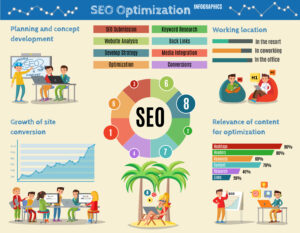 A long-term SEO strategy combines all aspects of on-page, off-page, technical, and content optimization to achieve sustainable growth. In 2025, success requires continuous monitoring, auditing, and updating based on performance metrics and market changes. UK businesses should focus on delivering value through high-quality content, building authority through backlinks, and maintaining technical health for their websites. Regular keyword research, competitive analysis, and user behavior insights inform strategic decisions. A well-structured long-term SEO plan ensures improved rankings, increased organic traffic, and stronger brand credibility. Investing in SEO as a continuous effort rather than a one-time task provides measurable results and a competitive edge in digital marketing.
Conclusion: Mastering SEO for Long-Term Success
Search Engine Optimization (SEO) is no longer just a technical requirement; it is a strategic necessity for businesses aiming to succeed online in 2025. From keyword research and on-page optimization to off-page authority building, technical SEO, and local search strategies, every element plays a critical role in improving visibility, driving organic traffic, and enhancing user experience. For businesses in the UK, staying ahead in the competitive digital landscape requires consistent effort, monitoring, and adaptation to emerging trends such as voice search, AI-driven content optimization, and mobile-first indexing. By implementing a comprehensive SEO strategy, companies can achieve sustainable growth, higher search engine rankings, and stronger brand credibility. At Appledew UK, we understand the intricacies of modern SEO and provide tailored solutions that ensure your website not only ranks higher but also delivers a seamless experience to your visitors. Investing in professional SEO services through Appledew UK empowers your business to dominate search results, attract quality leads, and secure long-term success in the ever-evolving digital market.
🚀 Want to Implement This Strategy Yourself?
Act as a senior UK-based digital marketing strategist in 2025.
I have read a blog titled: “[Search Engine Optimization (SEO): The Complete Guide for 2025]”
Create a detailed, step-by-step implementation plan based on the strategies explained in that article.
Your response must include:
- A technical setup checklist
- Step-by-step on-page improvements
- Keyword strategy (UK-focused if relevant)
- Content structure recommendations
- Internal linking structure
- Authority building strategy
- Local optimization steps (if applicable)
- Mobile performance improvements
- Schema/structured data recommendations
- Tracking setup (Google Analytics & Search Console)
- 90-day action roadmap
- Common mistakes to avoid
Make the plan practical, beginner-friendly, and suitable for a small-to-medium UK business.
💼 Prefer Expert Help?
If you’d rather have professionals implement this strategy for you properly and efficiently,
👉 Contact via our website contact form (https://appledew.co.uk/contact-us/) and we’ll create a customised strategy tailored to your business goals.