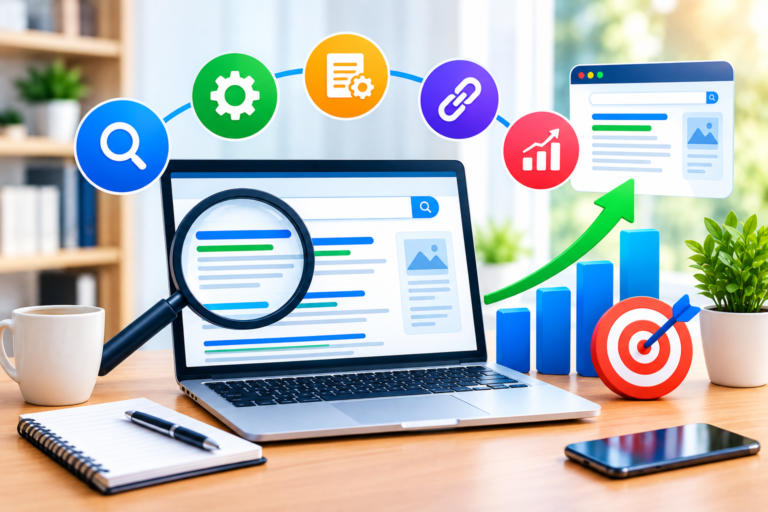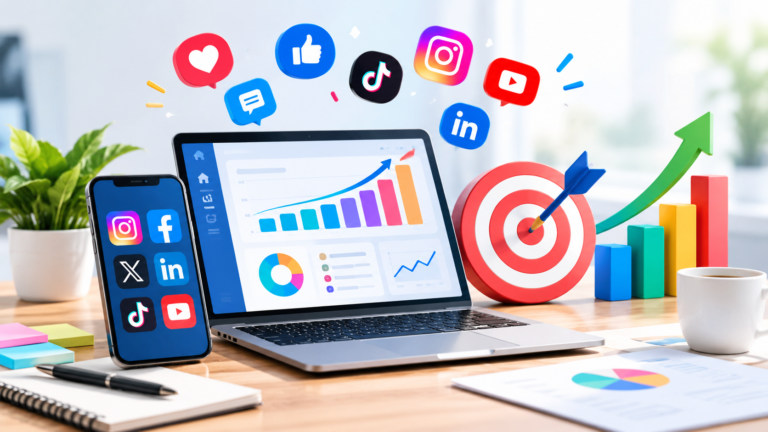

In the competitive landscape of digital marketing, Paid Advertising Google Ads and Facebook Ads have become the foundation for businesses aiming to reach their ideal customers instantly. These advertising giants allow brands to connect with potential clients, drive traffic, and convert leads into loyal customers faster than any organic method. Whether you’re running an e-commerce store, a service-based business, or a growing brand, leveraging paid ads can unlock remarkable growth potential. In this comprehensive guide, we’ll explore how Google Ads and Facebook Ads work, how they differ, and how to combine them effectively to maximize your marketing ROI. Understanding these platforms will not only enhance your online visibility but also empower your marketing campaigns with measurable, data-driven results.
Introduction
In today’s fast-paced digital economy, businesses need more than just a website or social media presence to stand out—they need visibility, precision, and strategic advertising. Paid Advertising has become the most powerful solution to achieve these goals, offering immediate visibility across search engines and social platforms. Among the numerous advertising tools available, Google Ads and Facebook Ads stand as industry leaders, enabling brands to reach millions of potential customers within seconds. These platforms give marketers the ability to define their target audience, control spending, measure campaign performance, and scale effortlessly.
At Appledew UK, we understand that every click, impression, and engagement matters. That’s why mastering the art of Google Ads and Facebook Ads is not just about running ads—it’s about creating high-performing campaigns that convert. This blog will help you dive deep into the essentials of paid advertising, explore the latest trends, and provide insights into how strategic ad placements can transform your business performance. Whether you’re new to paid marketing or looking to refine your advertising strategy, this guide will serve as your roadmap to success in the ever-evolving digital landscape.
The Evolution of Paid Advertising in the Digital Era
The journey of paid advertising has been nothing short of revolutionary. In the early days of online marketing, banner ads and static promotions dominated the internet, offering limited reach and targeting capabilities. However, as user behavior evolved and data analytics advanced, advertisers began to demand more precise targeting and measurable outcomes. This demand led to the birth of performance-based platforms like Google Ads and Facebook Ads, both of which transformed how businesses connect with their audience.
Today, paid advertising is no longer just a marketing option—it’s a necessity for brand growth and sustainability. Companies of all sizes can now compete in global markets, regardless of their physical location or budget constraints. Google Ads introduced a new way of promoting services through search intent—showing ads only when users actively look for related products or services. Meanwhile, Facebook Ads revolutionized brand storytelling by allowing advertisers to target users based on demographics, interests, behaviors, and engagement history.
This evolution signifies a shift from random exposure to data-driven targeting, ensuring that every penny spent on advertising produces measurable results. As we move further into 2025, automation, AI, and machine learning continue to refine paid advertising strategies, enabling marketers to predict customer behavior, personalize ad experiences, and optimize campaigns for maximum ROI. The evolution of paid advertising is an ongoing journey of innovation—one that every digital marketer must adapt to in order to thrive.
Understanding Google Ads: A Gateway to High-Intent Traffic
Google Ads stands as one of the most effective platforms for generating high-quality traffic and conversions. When users search for something on Google, they exhibit intent—a clear indication of what they want or need. By advertising on Google, businesses can position themselves directly in front of customers who are ready to take action.
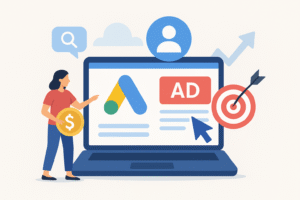 The power of Google Ads lies in its auction-based system where advertisers bid on specific keywords relevant to their products or services. Through Search Ads, your website can appear at the top of Google results, giving you instant visibility. Display Ads further expand your reach across millions of partner sites, while Shopping Ads and Video Ads (on YouTube) allow you to promote your products visually and interactively.
However, successful Google Ads campaigns require more than just choosing keywords and setting budgets. Advertisers must focus on Quality Score, which determines how relevant and useful their ad is to users. Higher Quality Scores reduce costs per click and improve ad rankings. Additionally, features like ad extensions, remarketing, and performance tracking through Google Analytics make it easier to optimize campaigns continuously.
In essence, Google Ads bridges the gap between intent and conversion. It’s a pay-per-click model that delivers instant results while offering complete control over where, when, and how your ads appear. Mastering Google Ads is about aligning keyword intent, ad relevance, and landing page experience—all working together to turn clicks into customers and impressions into revenue.
The Role of Facebook Ads in Building Brand Awareness
While Google Ads focuses on intent-driven users, Facebook Ads excel at creating demand and building brand awareness among audiences who may not yet know about your business. Facebook’s unparalleled user data allows advertisers to target audiences with surgical precision. You can reach users based on their age, location, interests, relationship status, job title, or even specific life events.
The platform’s ad formats are highly visual, making it ideal for storytelling. From carousel and video ads to collection and lead ads, Facebook gives brands the freedom to present their products in engaging and interactive ways. It’s not just about selling—it’s about connecting emotionally with potential customers.
Moreover, Facebook Ads offer lookalike audiences, allowing you to expand your reach by targeting people who share similar characteristics with your existing customers. Retargeting features also help you reconnect with users who interacted with your website or previous ads, increasing the likelihood of conversions.
Unlike Google Ads, which focuses on immediate action, Facebook Ads nurture long-term brand relationships. Businesses use it to build communities, boost engagement, and strengthen their online presence. When used strategically, Facebook Ads can significantly complement Google Ads by filling the top of the marketing funnel with fresh leads and brand exposure. In the modern digital ecosystem, mastering Facebook Ads is not optional—it’s essential for maintaining a strong and relatable online identity.
Comparing Google Ads and Facebook Ads: Key Differences and Advantages
While both Google Ads and Facebook Ads fall under the umbrella of Paid Advertising, they cater to different marketing objectives and customer behaviors. Google Ads is based on intent marketing—it captures users who are actively searching for a product or service. Facebook Ads, on the other hand, is driven by interest marketing—it introduces your brand to users based on their demographics and preferences.
In terms of reach, Google’s network covers billions of daily searches, making it perfect for driving immediate conversions. Facebook’s ecosystem (including Instagram and Messenger) is ideal for brand engagement and storytelling. When it comes to cost, Facebook Ads generally have lower CPC (Cost Per Click), making them more suitable for awareness campaigns. Google Ads, however, tends to deliver higher-quality leads with stronger purchase intent, though at a higher price per click.
Ultimately, choosing between the two depends on your marketing goals. For instant sales or service inquiries, Google Ads might be the best fit. For long-term engagement, brand visibility, and customer loyalty, Facebook Ads prove invaluable. The most successful marketers, however, integrate both platforms—using Facebook to attract and warm up audiences, and Google to convert them. This combination ensures complete customer journey coverage, from discovery to purchase.
As digital marketing continues to evolve, businesses that understand how to balance these two advertising giants will have the greatest advantage in visibility, reach, and profitability.
Crafting a Successful Paid Advertising Strategy
Creating a strong paid advertising strategy requires aligning campaign goals with user intent, platform guidelines, and measurable performance metrics. Before launching any campaign, businesses must define clear objectives such as lead generation, online sales, or brand awareness. Every ad should provide real value and align with ethical, user-first practices. To ensure campaigns meet global content standards and prioritize helpful information, advertisers should follow Google Search Quality Evaluator Guidelines when designing landing pages and ad messaging.
Once objectives are set, the next crucial step is audience segmentation. Both Google Ads and Facebook Ads offer powerful audience targeting tools. Through keyword selection and custom audiences, advertisers can narrow down their focus to the most relevant users. Google Ads connects you with people who are actively searching for what you offer, while Facebook helps you discover new audiences who might be interested based on their behavior and demographics.
Budget management also plays a vital role in your advertising success. Setting a realistic daily or monthly budget ensures you don’t overspend while gathering enough data for optimization. Equally important is A/B testing—testing different versions of your ads to identify which combination of headlines, visuals, and call-to-actions performs best.
Moreover, tracking and analytics are at the heart of every strong advertising strategy. Without proper tracking, you’re flying blind. Tools like Google Analytics and Facebook Business Manager allow you to monitor clicks, conversions, and cost per result. The insights gained from these metrics enable you to refine your campaigns for better performance.
In essence, crafting a successful paid advertising strategy is about balancing creativity with data. Every image, keyword, and caption contributes to your campaign’s outcome. When you understand your audience’s intent and behavior, you can deliver personalized ads that not only attract attention but also drive profitable actions—turning advertising from an expense into a long-term investment.
Keyword Research and Audience Targeting in Google Ads
At the heart of every successful Google Ads campaign lies a well-executed keyword strategy. Keywords are the bridge that connects what users are searching for with what your business offers. Effective keyword research ensures your ads appear for the right searches, reaching audiences who are most likely to convert. Tools like Google Keyword Planner provide insights into search volume, competition, and cost-per-click, helping advertisers identify profitable keyword opportunities.
Keyword targeting isn’t just about choosing popular terms—it’s about understanding user intent. Broad keywords may attract traffic, but specific, long-tail keywords deliver higher-quality leads. For instance, a user searching “buy running shoes online” is more likely to make a purchase than someone searching “shoes.” This differentiation helps you allocate your budget toward terms that drive results.
Equally important is negative keyword optimization, which prevents your ads from appearing in irrelevant searches. This not only saves money but also improves your campaign’s overall performance.
Beyond keywords, audience targeting in Google Ads allows advertisers to reach users based on demographics, device usage, and online behavior. Combining keyword targeting with audience insights enhances relevance and precision. For example, showing ads for “fitness supplements” to users who have previously searched for “gym memberships” ensures that your ads reach individuals with genuine interest.
Another vital aspect is geographical targeting. Local businesses can benefit immensely by targeting users within specific cities, postcodes, or regions. This approach boosts ad relevance and drives more qualified leads to your doorstep.
Ultimately, success in Google Ads depends on how effectively you match intent with opportunity. By conducting thorough keyword research and applying advanced targeting techniques, advertisers can ensure that every click has the potential to become a conversion. It’s a strategic process where precision and insight come together to create campaigns that truly deliver.
Designing Engaging and High-Converting Facebook Ads
When it comes to Facebook advertising, creativity takes center stage. The visual nature of the platform demands ads that instantly capture attention and communicate value within seconds. Designing high-converting Facebook Ads requires an understanding of your audience’s mindset and preferences. The goal is not just to promote but to connect emotionally.
Start with a compelling visual—it could be an image, video, or carousel that tells a story. The visual should resonate with your brand and speak directly to your audience’s needs. Facebook’s algorithm favors ads that generate engagement, so using authentic visuals, relatable scenarios, and strong emotional cues can significantly improve ad performance.
Next comes the ad copywriting. A strong headline grabs attention, while the body text should focus on benefits rather than features. Phrases like “Discover how,” “Save today,” or “Join thousands of satisfied customers” create curiosity and motivation. The call-to-action (CTA) is equally critical—it directs the user to take the next step, whether it’s visiting your website, signing up, or making a purchase.
Facebook also offers advanced tools like A/B testing, which allows you to compare multiple ad versions to see which one performs better. Small adjustments in visuals, headlines, or audience targeting can make a significant difference in conversion rates.
Moreover, integrating Facebook Pixel tracking is essential. This small piece of code tracks user interactions, helping you measure performance and retarget visitors who didn’t convert initially. By leveraging these insights, you can refine your campaigns and create a consistent conversion funnel.
In short, designing effective Facebook Ads is about combining storytelling with psychology. Every element—from color and tone to timing and targeting—plays a role in attracting attention and driving results. When done right, Facebook Ads can transform casual browsers into loyal brand advocates, establishing long-term relationships beyond the initial click.
Budgeting and Bidding Strategies for Maximum ROI
One of the most crucial aspects of paid advertising is managing your budget and bidding strategies effectively. Whether you’re using Google Ads or Facebook Ads, understanding how to allocate your ad spend wisely determines the success of your campaigns.
Every platform uses a bidding system, meaning advertisers compete for ad placement. On Google, you bid on keywords, while on Facebook, you bid for audience exposure. The key lies in finding the right balance between cost and performance. It’s tempting to focus on low-cost clicks, but value matters more than volume. Paying slightly more for a high-converting audience can deliver a far greater return than chasing cheap clicks with no results.
Both platforms offer automated and manual bidding options. Automated bidding allows the algorithm to optimize bids for maximum conversions based on your set goals. Manual bidding, on the other hand, gives advertisers full control, ideal for those who prefer to fine-tune their cost-per-click or impression manually.
Budget allocation should be strategic—start small, test different audiences and ad creatives, and then scale the winners. Setting daily budgets helps control spending while ensuring consistent exposure. Additionally, seasonality and time-of-day performance should influence your spending schedule.
Another critical concept is Return on Ad Spend (ROAS), which measures how much revenue you earn for every dollar spent. Monitoring ROAS helps identify which campaigns or ad groups deliver the best profitability. Combining this with conversion tracking ensures you understand exactly where your money is going and what results it’s generating.
Ultimately, effective budgeting and bidding require constant monitoring and adjustment. Paid advertising is dynamic—what works today may not work tomorrow. By analyzing performance data regularly, reallocating funds to high-performing areas, and leveraging automated optimization tools, advertisers can consistently achieve higher ROI and sustain long-term profitability.
Measuring and Analyzing Campaign Performance
No advertising campaign is complete without performance measurement and analysis. Data is the backbone of digital marketing, and understanding how your ads perform is key to long-term success. Platforms like Google Ads and Facebook Ads provide extensive reporting dashboards, enabling you to track impressions, clicks, conversions, and engagement in real time.
The first step is defining Key Performance Indicators (KPIs) aligned with your campaign goals. For e-commerce brands, this may include sales, conversion rate, and cost per acquisition. For service-based companies, metrics like leads, form submissions, and phone calls are more relevant.
Google Ads offers tools like Google Analytics and Conversion Tracking, which allow advertisers to understand user behavior after clicking an ad. Facebook, meanwhile, provides Ads Manager Insights, giving detailed performance reports across multiple campaigns and audiences. These tools help identify what’s working, what’s not, and where improvements are needed.
One powerful feature of both platforms is retargeting analytics—tracking how users interact after viewing or engaging with your ad. This data enables advertisers to refine audience targeting, personalize ad messages, and boost conversion rates.
However, data without action is meaningless. Successful advertisers use insights to make informed decisions—pausing underperforming ads, reallocating budgets, and experimenting with new strategies. Regular performance audits, combined with creative testing, help maintain campaign health and ensure steady growth.
In today’s data-driven world, measurement isn’t optional—it’s essential. Every impression, click, and view represents valuable information. By mastering the art of analytics, advertisers can transform raw numbers into powerful insights, paving the way for smarter decisions, stronger campaigns, and sustainable business growth.
The Importance of Ad Copy and Creative Optimization
In the world of paid advertising, the strength of your ad copy and creative presentation can make or break your campaign’s success. Whether you are promoting a product on Google Ads or creating a visual campaign on Facebook Ads, your message and visuals need to resonate with your target audience instantly. Users are bombarded with ads every second, and to stand out, you must communicate value, emotion, and urgency in just a few seconds.
The ad copy serves as the voice of your brand. It’s where you tell your audience what makes your product or service special. Strong headlines grab attention, concise descriptions explain benefits, and powerful calls to action guide users toward conversion. For example, phrases such as “Get Started Today,” “Limited Time Offer,” or “Find Out How” can prompt immediate engagement. The choice of words directly influences click-through rates and overall campaign performance.
 On Facebook Ads, the combination of visuals and copy is even more crucial. A well-crafted image or video paired with persuasive text can generate emotional appeal, leading to higher engagement and better brand recall. Facebook’s dynamic ad formats allow advertisers to test multiple creatives automatically, helping identify the best-performing combinations through AI optimization.
Meanwhile, Google Ads focuses heavily on textual appeal, meaning your headlines and descriptions must align with the user’s search intent. The inclusion of targeted keywords, relevant ad extensions, and a clear value proposition ensures higher Quality Scores, which not only improves ad visibility but also reduces cost per click.
Continuous creative optimization is key. Even the best ads lose performance over time, so testing new versions is essential. Refreshing visuals, experimenting with tone, and updating seasonal messages help maintain user interest. Ultimately, ad copy and creative optimization are about alignment—ensuring that your message matches your audience’s expectations while maintaining brand authenticity. The better your ad reflects your audience’s desires, the stronger your results will be in terms of engagement, conversions, and return on investment.
Remarketing and Retargeting: Turning Interest into Conversion
A significant portion of online visitors leave websites without taking any action. That’s where remarketing and retargeting come into play—powerful strategies that allow advertisers to re-engage users who have previously interacted with their brand. These methods ensure that your marketing efforts don’t end with a single visit but continue until the conversion goal is achieved.
In Google Ads, remarketing works through cookies that track users who visit your website. Once they leave, your ads appear across Google’s Display Network, reminding them of your products or services as they browse other websites. This repetition reinforces brand recall and motivates users to return and complete their purchase or inquiry.
Facebook Ads uses a similar approach through the Meta Pixel, which monitors user interactions with your site or app. Advertisers can create highly customized retargeting campaigns based on specific actions—such as viewing a product, adding to cart, or signing up for a newsletter but not completing a purchase. These campaigns can use tailored messages like “Still thinking about it?” or “Your cart is waiting!” to encourage conversions.
Remarketing also helps build customer loyalty. It’s not limited to unfinished transactions—it can also re-engage previous buyers by offering related products, exclusive discounts, or loyalty programs. The consistent visibility helps maintain brand presence in the customer’s mind, strengthening relationships and increasing lifetime value.
The success of retargeting depends on frequency, timing, and creative freshness. Bombarding users with the same ad repeatedly can lead to fatigue. Instead, using sequential ads—showing different messages over time—keeps engagement high. When done strategically, remarketing transforms potential losses into wins, turning passive interest into meaningful conversions.
By integrating both Google Ads and Facebook Ads remarketing, advertisers can maintain a seamless multi-platform presence, ensuring that potential customers are reminded of their brand at every relevant touchpoint. In the digital marketing funnel, retargeting is the bridge between awareness and conversion—the key to unlocking consistent and measurable growth.
Integrating Google Ads and Facebook Ads for Combined Impact
Many businesses make the mistake of treating Google Ads and Facebook Ads as separate marketing channels. However, combining both platforms into a unified strategy creates a synergy that multiplies results. Each platform complements the other, covering different stages of the customer journey—Google for intent and Facebook for awareness and engagement.
For instance, a user might discover your brand through a Facebook Ad while scrolling their feed, sparking curiosity. Later, when they search for related products or services on Google, your ad appears again, reinforcing trust and familiarity. This cross-platform reinforcement increases conversion likelihood and brand credibility.
To integrate both platforms effectively, advertisers must ensure consistent branding, messaging, and audience segmentation. Start by analyzing where your audience spends the most time and how they behave across platforms. Use Facebook to build awareness through visually rich storytelling and community engagement, while leveraging Google Ads to capture high-intent traffic ready to convert.
Advanced strategies like cross-channel remarketing can also elevate performance. For example, users who interact with your Facebook page can be added to a custom audience for Google Search Ads. Similarly, visitors who click on your Google Ads but don’t convert can later be targeted with personalized Facebook campaigns.
Tracking and analytics play a pivotal role in this integration. Using tools like Google Analytics 4, Meta Business Suite, and UTM parameters allows you to analyze performance holistically, identifying which touchpoints contribute most to conversions.
Ultimately, the combination of Google Ads and Facebook Ads isn’t about competition—it’s about cooperation. When both platforms work in harmony, businesses achieve greater visibility, stronger brand authority, and significantly higher ROI. The integrated approach ensures that potential customers encounter your brand multiple times in different contexts, building familiarity, trust, and ultimately driving them toward conversion.
Avoiding Common Mistakes in Paid Advertising Campaigns
Even with the best intentions, many advertisers fall victim to avoidable mistakes that hinder their campaign’s success. Understanding these pitfalls can save both time and money while maximizing results. One of the most common errors is launching campaigns without a clearly defined goal. Without measurable objectives, it’s impossible to determine whether your advertising efforts are paying off.
Another frequent mistake is poor audience targeting. Running ads to broad, untargeted audiences wastes budget and reduces campaign efficiency. Both Google and Facebook offer robust targeting options—advertisers must use these tools wisely to reach only the most relevant users.
On the creative side, ad fatigue can severely impact performance. When the same ads run for too long, users become desensitized, leading to lower engagement and higher costs. Regularly refreshing creatives and testing new variations can keep your campaigns vibrant and effective.
Budget mismanagement is another critical issue. Many businesses either underfund their campaigns—limiting visibility—or overspend without tracking ROI. Setting daily budgets, analyzing performance reports, and reallocating funds to high-performing ads are essential practices.
Ignoring data and analytics is perhaps the biggest mistake of all. Without reviewing campaign metrics, advertisers cannot identify what’s working or where improvements are needed. Analytics tools offer invaluable insights that should guide every optimization decision.
Finally, many marketers neglect the landing page experience. Even the best ad won’t convert if the landing page is slow, confusing, or irrelevant. Ensuring your landing page aligns with your ad’s promise and provides a seamless user experience is vital for conversions.
Avoiding these common mistakes requires discipline, testing, and continuous learning. Paid advertising isn’t a one-time effort—it’s an evolving process. By identifying weaknesses and refining strategies consistently, advertisers can transform underperforming campaigns into powerful revenue-generating systems that sustain long-term growth.
Leveraging Automation and AI in Modern Advertising
The future of paid advertising is undeniably shaped by automation and artificial intelligence (AI). As marketing platforms evolve, AI-driven tools are transforming how campaigns are created, optimized, and analyzed. Both Google Ads and Facebook Ads now rely heavily on machine learning to help advertisers achieve better results with less manual effort.
Automation starts with Smart Campaigns and Performance Max in Google Ads. These systems automatically optimize ad placements, targeting, and bidding strategies based on real-time performance data. By analyzing thousands of signals per second—such as device type, time of day, and user behavior—Google’s AI ensures that your ads reach the right audience at the right time.
Similarly, Facebook’s Advantage+ campaigns leverage automation to streamline audience selection, creative testing, and budget optimization. Instead of manually setting parameters, advertisers can allow the algorithm to determine the most effective combinations, leading to faster learning and higher performance.
AI also enhances predictive analytics, allowing marketers to forecast campaign outcomes and budget needs more accurately. Machine learning models can identify patterns in user engagement, helping advertisers make data-driven decisions that improve conversion rates and ROI.
However, while automation simplifies advertising, human oversight remains essential. Marketers must continuously monitor performance metrics to ensure that automation aligns with brand goals and customer expectations. AI should be seen as a tool that amplifies human creativity and strategic thinking—not replaces it.
In today’s fast-moving digital environment, embracing AI-powered advertising isn’t just an advantage—it’s a necessity. Businesses that integrate automation into their paid advertising efforts gain speed, precision, and adaptability, ensuring they remain competitive in an ever-evolving marketplace. The combination of human creativity and artificial intelligence defines the new era of advertising excellence.
Enhancing Ad Performance with A/B Testing and Continuous Optimization
The secret to long-term success in paid advertising lies in continuous testing and optimization. Every campaign, no matter how well-planned, requires refinement over time. A/B testing, also known as split testing, is a powerful method that allows advertisers to compare two or more versions of an ad to determine which performs better. By experimenting with different headlines, visuals, calls to action, and audience segments, marketers can identify the exact combination that drives the highest conversions.
In Google Ads, A/B testing can be applied to multiple elements such as ad copy, landing pages, and bidding strategies. For example, testing two different ad headlines—one focusing on price and another on quality—can reveal which message resonates more with your target audience. Similarly, testing different landing pages with varying layouts, color schemes, or CTAs helps optimize user experience and improve conversion rates.
Facebook Ads provides its own built-in A/B testing tools, allowing advertisers to experiment with creative formats, audience demographics, and delivery optimization. The platform’s algorithm collects real-time data on which version generates better engagement, providing valuable insights into user preferences.
Optimization doesn’t stop with testing—it’s a continuous process that involves analyzing campaign metrics, monitoring performance trends, and adjusting strategies accordingly. Advertisers should review metrics such as click-through rate (CTR), conversion rate, and cost per acquisition (CPA) regularly to identify underperforming areas.
A/B testing not only improves performance but also reduces wasted ad spend. By focusing on data-driven decisions rather than assumptions, advertisers can maximize their return on investment and ensure every dollar contributes to tangible business outcomes. In the fast-paced digital landscape, ongoing testing and optimization keep campaigns agile, competitive, and aligned with evolving consumer behavior.
The Role of Analytics and Conversion Tracking in Paid Advertising
In digital marketing, data is the foundation of success, and understanding analytics is essential for optimizing paid advertising campaigns. Both Google Ads and Facebook Ads offer powerful analytics tools that provide detailed insights into audience behavior, campaign performance, and conversion patterns. Without proper tracking, businesses operate blindly—investing money without knowing what’s truly working.
Google Analytics, when integrated with Google Ads, reveals how users interact with your website after clicking an ad. You can track metrics such as bounce rates, session duration, and conversion paths, which help determine which ads generate the highest-quality traffic. Facebook’s Ads Manager and Meta Pixel serve similar purposes by tracking user actions like purchases, form submissions, and content interactions.
Conversion tracking is crucial because it connects ad impressions and clicks to measurable business outcomes. For instance, tracking how many users complete a purchase or fill out a contact form provides a clear picture of campaign ROI. It also helps identify which keywords, creatives, and audiences produce the best results.
Advanced analytics features like attribution modeling allow advertisers to understand the customer journey across multiple touchpoints. Rather than crediting a single click for a conversion, attribution models show how different ads work together to influence decisions. This multi-touch insight enables smarter budget allocation and more effective campaign scaling.
In essence, analytics transform advertising from guesswork into a science. By using real-time data, marketers can make informed decisions, identify performance bottlenecks, and continuously improve their advertising efforts. For businesses aiming for sustained growth, analytics and conversion tracking are not optional—they are the compass that guides every successful digital marketing strategy.
Scaling Paid Advertising Campaigns for Long-Term Success
Once a campaign proves profitable, the next challenge is scaling it effectively to achieve long-term success. Scaling a paid advertising campaign involves increasing reach, budget, and impact without compromising efficiency or ROI. It requires a careful balance of data analysis, budget control, and strategic experimentation.
The first step in scaling is identifying high-performing campaigns. Analyzing key metrics like ROAS (Return on Ad Spend), CTR, and conversion rates helps pinpoint which ads deliver consistent results. Once identified, budgets can be gradually increased for those campaigns while maintaining close performance monitoring. Rapid scaling without testing often leads to ad fatigue or rising costs, so gradual expansion is always the best approach.
 Scaling also involves audience diversification. In Facebook Ads, creating lookalike audiences based on existing customer data allows advertisers to reach new people who share similar characteristics with current buyers. In Google Ads, expanding keyword lists and experimenting with new match types can capture additional search traffic while maintaining relevance.
Creative refreshes are equally vital during scaling. Reusing the same ad visuals or copy for too long can lead to audience burnout. Regularly updating creatives keeps engagement strong and maintains campaign momentum.
Moreover, automation tools play a huge role in scaling efficiently. Both Google and Facebook offer automated bidding and campaign optimization features that adapt in real-time to audience behavior. These tools ensure your budget is used where it delivers the best results, maximizing reach and conversions simultaneously.
Scaling paid advertising isn’t just about spending more—it’s about spending smarter. By expanding proven strategies, experimenting with new audiences, and maintaining a strong focus on analytics, businesses can transform short-term campaign wins into long-term profitability and brand growth.
The Future of Paid Advertising: Trends to Watch in 2025 and Beyond
The digital advertising landscape is evolving faster than ever, and staying ahead requires understanding the trends shaping the future of paid advertising. In 2025 and beyond, automation, personalization, and privacy will dominate the conversation.
Artificial intelligence continues to refine ad targeting and campaign optimization. AI-powered tools now analyze massive data sets to predict which users are most likely to convert, allowing advertisers to allocate budgets more effectively. Platforms like Google and Meta are also introducing advanced automation systems that streamline bidding, placement, and creative delivery.
Personalization remains a cornerstone of success. Users expect relevant, meaningful experiences rather than generic messages. Dynamic ads that automatically adjust visuals and text based on user interests or behavior are becoming the norm. By combining AI with personalization, brands can deliver hyper-targeted messages that resonate deeply with each individual.
However, the rise of privacy regulations such as GDPR and Apple’s App Tracking Transparency (ATT) has changed how advertisers collect and use data. The future will emphasize first-party data—information gathered directly from customers through subscriptions, purchases, or website interactions. Building trust and transparency with users will become a competitive advantage.
Video advertising will also continue to grow, especially on mobile and short-form platforms like Reels and YouTube Shorts. Interactive ad formats will further blur the line between entertainment and marketing.
As technology evolves, successful advertisers will be those who embrace innovation while maintaining ethical marketing practices. The future of paid advertising is not just about automation—it’s about connecting authentically, understanding consumer needs, and delivering value at every interaction. Businesses that adapt to these shifts will thrive, while those clinging to outdated methods will fade into obscurity.
Conclusion
In an increasingly competitive digital marketplace, paid advertising has become the backbone of online business growth. Whether through Google Ads or Facebook Ads, brands can reach millions of potential customers with unmatched precision and efficiency. Each platform serves a unique purpose—Google Ads captures user intent, while Facebook Ads builds awareness and emotional connection. When combined strategically, they create a powerful synergy that drives measurable results.
At Appledew UK, we believe that successful paid advertising is about more than just clicks—it’s about creating meaningful connections that lead to real business growth. By leveraging data, creativity, and continuous optimization, businesses can transform their ad spend into a high-performing engine that fuels visibility, engagement, and conversions.
As digital marketing continues to evolve, adaptability and innovation will define success. The advertisers who experiment, learn, and evolve with changing trends will consistently outperform the competition. Paid Advertising Google Ads and Facebook Ads represent not just marketing tools, but gateways to limitless opportunity. With the right strategy, persistence, and expert guidance, your brand can achieve sustainable success and long-term profitability in the ever-expanding digital world.
AI Implementation Prompt
AI Implementation Prompt: Turn This Blog into Action
Context:
You are a senior digital advertising strategist with expertise in Google Ads, Facebook Ads (Meta Ads), conversion tracking, and ROI optimization.Task:
Based on the blog post titled “Maximizing ROI with Paid Advertising: The Power of Google Ads & Facebook Ads”, create a step-by-step, actionable paid advertising implementation plan for my business.Requirements:
- Ask me first about:
- My business type (service, e-commerce, SaaS, local, etc.)
- My target audience
- My monthly ad budget
- My primary goal (leads, sales, traffic, brand awareness)
- Create a Google Ads strategy, including:
- Campaign structure (Search, Display, Performance Max, YouTube)
- Keyword research approach
- Match types and negative keywords
- Bidding strategy
- Conversion tracking setup
- Create a Facebook (Meta) Ads strategy, including:
- Funnel structure (awareness → retargeting → conversion)
- Audience targeting and lookalike strategy
- Ad creatives (image/video suggestions)
- Copywriting angles
- Pixel and event tracking
- Explain how to integrate Google Ads and Facebook Ads together
- Cross-platform retargeting
- Funnel alignment
- Budget distribution
- Include:
- A/B testing plan
- Budget scaling rules
- KPI tracking (ROAS, CPA, CTR, conversions)
- Ensure all recommendations:
- Follow Google Search Quality Guidelines
- Use ethical, user-first advertising practices
- Focus on long-term ROI, not shortcuts
Output Format:
- Clear steps
- Bullet points
- Practical actions (no theory only)
- Beginner-friendly but expert-level strategy
If anything is missing, ask clarification questions before generating the final plan.