
Unlock the power of paid advertising with Google Ads and Facebook Ads. Learn how data-driven ad campaigns, targeted audience strategies, and optimized ad creatives can elevate your brand visibility and conversions in 2025. Discover expert insights from Appledew UK’s complete guide to mastering paid advertising.
Introduction
In the fast-evolving world of digital marketing, paid advertising stands as the backbone of online growth. From Google Ads that dominate search visibility to Facebook Ads that engage audiences across social media, the right advertising strategy can transform how businesses connect with their customers. Appledew UK, a leading digital marketing solutions provider, understands the importance of precision targeting and campaign optimization for sustainable online success. In this comprehensive guide, we’ll explore how Google Ads and Facebook Ads work, why they’re vital for modern brands, and how mastering them can lead to measurable growth in 2025 and beyond.
Paid advertising isn’t just about spending money on clicks—it’s about understanding your audience, leveraging the right data, and creating ads that speak directly to user intent. Whether you’re running a small e-commerce store or a large enterprise, using these ad platforms effectively can make the difference between stagnant performance and exponential growth.
In the sections ahead, we’ll break down every essential aspect of Google Ads and Facebook Ads, from campaign creation to optimization techniques, giving you a complete understanding of how to achieve mastery in paid advertising.
The Evolution of Paid Advertising in the Digital Era
The concept of Paid Advertising has dramatically transformed over the years. In the early days of the internet, banner ads and pop-ups were the main ways to grab attention. However, users quickly developed banner blindness, leading advertisers to seek more intelligent ways of engagement. Today, Paid Advertising through platforms like Google Ads and Facebook Ads represents a new generation of marketing where personalization, data analytics, and AI-driven optimization have taken center stage.
Modern Paid Advertising is built on precision. Algorithms now determine who sees what, when, and why. Google leverages search intent, while Facebook focuses on audience behavior and interests. This evolution has created an ecosystem where businesses can target specific users based on demographics, location, and even online behavior patterns, making Paid Advertising more effective than ever before.
Furthermore, automation tools have made it easier than ever for brands to manage campaigns without extensive manual intervention. Features like Google’s Smart Bidding or Facebook’s Advantage+ campaigns use machine learning to improve ad delivery automatically. As these systems advance, businesses that adapt quickly gain a significant competitive edge in the marketplace.
Understanding this evolution allows marketers to make smarter choices. Instead of blindly running ads, they can use advanced analytics to track ROI, identify conversion paths, and continually refine strategies. The shift from static advertising to adaptive, data-driven marketing is what makes today’s Paid Advertising landscape so powerful.
Understanding the Core of Google Ads
Google Ads remains one of the most powerful tools for reaching audiences actively searching for products or services. Its foundation lies in intent-based marketing, meaning it connects you with users who are already showing interest in what you offer. This makes Google Ads uniquely effective for generating high-quality leads and conversions.
 At the heart of Google Ads are its various campaign types: Search, Display, Video, Shopping, and Performance Max. Each serves a distinct purpose. Search campaigns target users through text ads on Google’s search results, while Display ads use visual banners across millions of partner websites. YouTube ads engage users through videos, and Shopping ads showcase products with images and prices directly in the search results.
The platform’s auction-based system determines ad placement and cost through a combination of bid amount, ad quality, and relevance. Marketers who prioritize ad copy relevance, strong landing pages, and appropriate bidding strategies can outperform even competitors with larger budgets.
Moreover, the integration of AI and automation within Google Ads has made campaign management more efficient. Automated bidding, dynamic ad creation, and audience insights help marketers save time while improving ad performance. The real key lies in understanding your target audience and continuously refining your campaign based on performance data.
By mastering Google Ads, brands can unlock immense growth potential, driving targeted traffic, increasing conversions, and achieving a measurable return on investment.
Decoding Facebook Ads: Connecting Through Social Intelligence
Unlike Google Ads, which is intent-driven, Facebook Ads are interest-based. This means the platform helps you reach users based on their behaviors, preferences, and social interactions—even before they show explicit intent to buy. This proactive approach to marketing allows brands to build awareness, nurture engagement, and drive sales across a massive audience base.
Facebook’s ad ecosystem extends beyond its own app—it also includes Instagram, Messenger, and the Audience Network, allowing advertisers to reach billions of users seamlessly. The platform’s Meta Ads Manager provides robust tools for audience segmentation, budget control, creative testing, and performance tracking.
What sets Facebook apart is its ability to humanize brands. With precise targeting, you can tailor messages to resonate emotionally with specific audiences. Storytelling plays a crucial role here; visually compelling ads with authentic narratives tend to perform best. Whether promoting a seasonal offer or a long-term campaign, connecting emotionally builds trust and brand loyalty.
Recent updates from Meta have introduced AI-driven enhancements such as Advantage+ Audience and Creative Optimization, which automatically improve ad performance by analyzing user interactions. This integration of machine learning ensures that businesses maximize results while minimizing manual workload.
In essence, mastering Facebook Ads requires a balance between creativity and analytics. Businesses that harness both can create ad campaigns that not only convert but also strengthen brand identity in the ever-competitive digital marketplace.
The Power of Data-Driven Advertising Decisions
In today’s fast-paced digital ecosystem, data has become the foundation of all successful advertising campaigns. When businesses rely on measurable insights instead of assumptions, they make smarter, more profitable marketing decisions. The essence of Google Ads and Facebook Ads lies in their ability to collect, analyze, and utilize massive amounts of user data. Every click, impression, and interaction contributes to a deeper understanding of consumer behavior.
Through Google Analytics, advertisers can track conversion paths, bounce rates, session duration, and user demographics. Similarly, Facebook Pixel allows marketers to capture and measure how users engage with their website after clicking an ad. This data-driven structure transforms guesswork into predictable outcomes. The ability to refine audiences, adjust ad creative, and allocate budgets based on performance metrics makes advertising more efficient and scalable.
Furthermore, the integration of AI tools within ad platforms amplifies these advantages. Google’s Smart Bidding and Meta’s machine learning models predict user intent, bidding intelligently to achieve the best ROI. This means businesses don’t need massive budgets to compete—they just need intelligent targeting and optimization.
The role of data storytelling is also crucial. Numbers alone don’t mean much unless they translate into actionable insights. By interpreting data patterns, marketers can identify which keywords, audiences, or ad formats perform best and why. Over time, this insight enables consistent refinement of campaigns, ensuring every dollar spent delivers measurable impact.
In short, businesses that leverage data effectively don’t just run ads—they build dynamic systems that learn, adapt, and outperform the competition. In 2025 and beyond, those who prioritize data-driven advertising will lead the digital marketing revolution.
Understanding the Advertising Funnel: From Awareness to Conversion
A successful paid advertising strategy relies on understanding the marketing funnel—the journey users take from discovering a brand to becoming loyal customers. Both Google Ads and Facebook Ads play vital roles at different stages of this funnel.
At the awareness stage, the goal is visibility. Facebook’s visual and storytelling capabilities make it ideal for generating brand awareness and emotional engagement. Video ads, carousel campaigns, and interactive posts attract users’ attention and introduce them to the brand narrative. This phase focuses on reach and impressions, ensuring that people recognize your name and product.
Next is the consideration stage, where potential customers are evaluating options. Here, retargeting ads and lead generation campaigns shine. Facebook Custom Audiences or Google Display Remarketing help reconnect with users who visited your website but didn’t convert. By reminding them of your products through personalized ads, you guide them closer to conversion.
Finally, at the conversion stage, intent-based ads through Google Search campaigns dominate. When users type in keywords related to your services, your ads appear at the exact moment they’re ready to act. This synergy between emotional connection on Facebook and intent fulfillment on Google creates a seamless funnel that drives measurable results.
The best-performing campaigns don’t stop at conversion—they continue nurturing customers post-purchase. Retargeting, upselling, and loyalty programs help build long-term relationships. Understanding how to balance both platforms throughout this journey ensures that your advertising dollars generate maximum impact across all stages of the customer lifecycle.
The Role of Creativity and Visual Storytelling in Paid Advertising
While data and analytics power ad optimization, creativity remains the heart of audience engagement. Without compelling visuals and emotionally resonant stories, even the most precisely targeted campaign can fail to connect. Both Google Ads and Facebook Ads require a balance between analytical precision and creative storytelling.
In the case of Google Ads, creativity is expressed through concise, impactful ad copy. A well-crafted headline that aligns with user intent can significantly increase click-through rates. The description must reinforce the value proposition and inspire immediate action. Since users searching on Google often have a specific goal, creative text that directly solves their problem captures their attention instantly.
On the other hand, Facebook Ads thrive on visual storytelling. High-quality images, short-form videos, and user-generated content make ads more relatable. Emotional triggers—such as humor, empathy, or aspiration—enhance engagement. A successful Facebook ad doesn’t just sell; it tells a story that reflects the user’s values and desires.
Moreover, integrating consistent brand identity across all visuals strengthens recognition. From color schemes to tone of voice, maintaining creative harmony ensures that users instantly associate the message with your brand. This not only boosts recall but also increases trust and credibility.
In today’s crowded digital space, originality sets brands apart. Marketers who understand the psychology of color, design, and narrative structure can craft messages that influence emotions and drive conversions. The combination of creativity and strategic insight is what truly defines paid advertising mastery.
Targeting and Retargeting: The Secret to Higher ROI
One of the greatest strengths of Google Ads and Facebook Ads lies in their sophisticated targeting systems. The ability to reach the right person, at the right time, with the right message is what makes these platforms so powerful.
Targeting allows advertisers to define their audience using factors such as demographics, interests, location, behavior, and even device type. Google’s keyword-based targeting connects you to users who are actively searching for your services, while Facebook’s interest-based targeting finds people whose lifestyle and preferences align with your offerings.
But it’s retargeting that truly boosts ROI. By re-engaging users who have already interacted with your website or ads, businesses can turn potential customers into loyal buyers. For example, when someone visits your site and leaves without purchasing, retargeting ads remind them of your product, often prompting a return visit that leads to conversion.
Dynamic product ads on Facebook automatically showcase the exact products users viewed earlier, creating a personalized experience that increases the likelihood of purchase. Similarly, Google’s remarketing lists for search ads (RLSA) enable advertisers to adjust bids and messaging for returning visitors.
Retargeting is more than a sales tactic—it’s about nurturing relationships. It keeps your brand top of mind and creates multiple touchpoints throughout the buyer’s journey. The effectiveness of this strategy lies in timing and frequency; showing the right ad too many times can lead to fatigue, while too few can reduce visibility.
Ultimately, mastering targeting and retargeting ensures that every marketing dollar is spent efficiently, reaching users who matter most and maximizing overall campaign profitability.
Budget Optimization and Smart Bidding Strategies
Managing your ad budget effectively is one of the most crucial aspects of achieving success with paid advertising. Both Google Ads and Facebook Ads offer robust budgeting tools, allowing you to control costs while maximizing results. However, understanding how to allocate and optimize that budget separates successful advertisers from the rest.
Google Ads uses a bidding system where advertisers compete for ad placements. Your position depends on the bid amount, ad quality, and expected impact of extensions. Smart Bidding automates this process by using machine learning to optimize conversions or conversion value in real-time. Strategies such as Target CPA (Cost Per Acquisition) or Target ROAS (Return on Ad Spend) ensure that each click contributes meaningfully to your goals.
Facebook Ads, on the other hand, offers Campaign Budget Optimization (CBO), which distributes your budget dynamically across ad sets to deliver the best overall performance. The platform automatically identifies high-performing ads and invests more in them, reducing wasted spend.
A successful budget strategy also involves continuous monitoring and testing. Adjusting bids based on performance, experimenting with different creatives, and running A/B tests help identify what works best. Seasonal adjustments, competitor behavior, and market trends also influence budget decisions.
Marketers should also consider lifetime value (LTV) when planning ad spend. Sometimes paying more upfront for high-quality leads results in better long-term returns. The combination of automation, insight, and discipline in budget management ensures consistent growth without overspending.
In 2025, the businesses that master smart bidding and budget allocation will dominate the digital ad landscape, achieving sustainable performance and long-term profitability.
Measuring Ad Success Through KPIs and Analytics
The key to sustained success in paid advertising lies in tracking performance through clear and measurable Key Performance Indicators (KPIs). Without proper measurement, even the most creative campaigns can lose direction. Both Google Ads and Facebook Ads provide comprehensive analytics dashboards to help marketers make informed decisions.
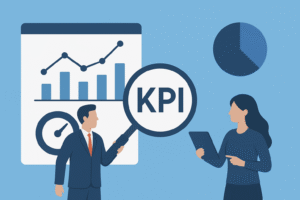 For Google Ads, essential KPIs include click-through rate (CTR), cost per click (CPC), conversion rate, and quality score. These metrics reveal how effectively your ads attract and convert users. The integration of Google Analytics offers deeper insights, showing the full customer journey from first interaction to final purchase.
In Facebook Ads, key metrics like engagement rate, cost per acquisition (CPA), and return on ad spend (ROAS) are vital for understanding campaign health. The Facebook Ads Manager provides visual reports that help identify which creatives and audiences drive the best performance.
However, data alone is not enough—it’s interpretation that makes the difference. Analyzing trends, recognizing patterns, and adapting strategies based on findings enable continuous improvement. For instance, if an ad receives high engagement but low conversions, it may indicate a mismatch between creative and landing page intent.
Regular reporting also ensures accountability. By comparing results over time, marketers can refine strategies, allocate budgets more efficiently, and predict future performance. The ultimate goal is to achieve data clarity—knowing exactly what’s working, what’s not, and how to optimize for better outcomes.
In short, successful advertisers treat KPIs not as vanity metrics but as a compass guiding their campaigns toward measurable, scalable growth.
Crafting Compelling Ad Copy That Converts
The art of writing ad copy is one of the most powerful skills in digital marketing. Whether it’s a Google Search Ad or a Facebook Sponsored Post, words have the power to influence behavior, inspire action, and drive conversions. A great ad copy is not just about selling—it’s about connecting with the user’s needs, emotions, and motivations.
For Google Ads, the challenge lies in conveying value in a limited space. Each headline and description must immediately capture attention and communicate relevance. Strong, action-driven phrases like “Get Started Today”, “Shop Now”, or “Claim Your Offer” can encourage users to click. But what truly makes ad copy effective is its alignment with the user’s intent. If someone searches for “affordable web design services,” your ad must address that exact need.
In Facebook Ads, ad copy has more room to breathe. It combines engaging visuals with storytelling that resonates emotionally. A compelling hook, followed by a relatable message and a clear call-to-action, forms the foundation of an effective Facebook ad. Using first-person language or addressing users directly (“You deserve better results”) makes the content feel more personal and authentic.
Testing is another critical aspect of ad copy optimization. Small variations in headlines, tone, or word choice can dramatically impact performance. Regular A/B testing allows marketers to identify which messages resonate most with their audience.
Finally, consistency between ad copy and the landing page is vital. If users click an ad expecting one offer but land on a different message, conversion rates drop. Aligning tone, visuals, and messaging across every touchpoint ensures a seamless user journey.
In essence, compelling ad copywriting is where creativity meets psychology—it’s the bridge between your business goals and customer emotions, turning casual browsers into loyal clients.
The Role of Landing Pages in Advertising Success
Even the most persuasive ad campaign can fail if it leads to a weak landing page. The landing page is where the conversion happens—it’s the digital handshake between your brand and your potential customer. In both Google Ads and Facebook Ads, optimizing your landing page experience is critical for improving conversions and maintaining a high-quality score.
A successful landing page is focused, fast, and friction-free. It should have a clear headline that matches the ad promise, persuasive content that highlights value, and a visible call-to-action button that guides users effortlessly toward conversion. Distractions such as unnecessary navigation links or unrelated visuals should be eliminated to maintain focus.
Google Ads algorithms heavily reward landing page relevance. When your page content directly reflects the keywords and ad message, it not only enhances user experience but also lowers your cost per click (CPC). Similarly, Facebook’s algorithm measures post-click engagement to determine ad quality, meaning that a smooth landing experience can directly improve ad delivery performance.
The page’s design also plays a role in conversion psychology. Elements like color contrast, testimonials, trust badges, and short forms increase credibility and reduce hesitation. Speed optimization is equally essential—pages that take more than three seconds to load can lose over half of their visitors.
Beyond the design, emotional alignment is key. If your ad evokes excitement, your landing page must continue that feeling. Consistency creates trust and encourages users to take the final step. By investing in strong landing page optimization, businesses can multiply the effectiveness of their paid advertising efforts, turning clicks into loyal customers with ease.
Leveraging Audience Insights and Segmentation
The real magic of Google Ads and Facebook Ads lies in how they allow advertisers to understand their audiences on a granular level. Audience insights help businesses identify who their customers are, what motivates them, and how they behave online. With this knowledge, campaigns can be customized to match user interests and maximize engagement.
On Google Ads, segmentation often begins with keyword intent. By analyzing search terms, advertisers can categorize audiences based on buying stages—whether they’re researching, comparing, or ready to purchase. Demographic filters such as age, gender, and household income allow even more precise control.
Facebook Ads, on the other hand, takes segmentation to another level. Using tools like Audience Insights and Custom Audiences, businesses can create highly specific target groups. For instance, advertisers can reach users who previously visited their website, interacted with a specific post, or engaged with similar brands. Additionally, Lookalike Audiences enable brands to reach new people who share characteristics with their best existing customers.
This segmentation ensures that your marketing budget is spent on the users most likely to convert. Moreover, it opens doors for personalized messaging. Tailoring ad creatives and offers for each audience segment increases relevance and emotional connection.
Audience segmentation is not a one-time task—it’s an ongoing process of refinement. As you collect more data, insights evolve, allowing campaigns to become smarter and more efficient over time. Businesses that embrace this continuous learning cycle dominate their industries because they speak directly to the right people, at the right moment, with the right message.
Cross-Platform Advertising: Integrating Google and Facebook
While Google Ads and Facebook Ads are powerful individually, combining them creates an unstoppable force in digital marketing. A cross-platform advertising strategy allows brands to maintain a consistent presence across search engines and social media, ensuring that they reach customers at every stage of their journey.
Google Ads excels in capturing demand. When users search for specific products or services, Google delivers relevant ads that fulfill immediate needs. Facebook Ads, in contrast, builds awareness and nurtures relationships by targeting users based on interests and behaviors—even before they express purchase intent.
By integrating both, businesses can create a seamless funnel. A user might first see your Facebook ad introducing your brand, later perform a Google search for related terms, and finally convert through a search ad. This multi-touch approach reinforces brand recognition and increases the likelihood of conversion.
Cross-platform strategies also enhance data synergy. Retargeting audiences across both platforms ensures no opportunity is missed. For instance, data collected from Facebook Pixel can be used to refine Google audiences and vice versa. This collaborative use of analytics creates a comprehensive view of customer behavior.
Moreover, unified branding across platforms maintains consistency in tone, visuals, and messaging. This not only strengthens trust but also provides a cohesive user experience. Businesses that harness this dual power effectively dominate digital visibility—capturing attention on Facebook while sealing conversions on Google.
The integration of these advertising giants doesn’t just expand reach; it amplifies impact, turning separate campaigns into a synchronized growth engine for your brand.
The Importance of Continuous Testing and Optimization
No advertising campaign is ever “finished.” The digital landscape changes rapidly, and audience behavior shifts with trends, seasons, and technology. That’s why continuous testing and optimization are at the heart of every successful Google Ads and Facebook Ads strategy.
Testing involves experimenting with various campaign elements—ad creatives, copy, formats, audiences, and bidding strategies—to determine what yields the best results. For example, A/B testing different ad headlines or images helps identify which variation resonates most. Similarly, testing landing pages can reveal design elements that improve conversion rates.
Optimization, on the other hand, is the process of making informed adjustments based on data. Regularly reviewing campaign reports and KPIs allows marketers to identify strengths and weaknesses. If one ad set performs better than others, budgets can be reallocated for maximum ROI.
Modern platforms also simplify this process with built-in AI tools. Google’s Smart Campaigns and Facebook’s Advantage+ system automatically optimize delivery for better engagement and conversions. However, manual oversight remains crucial to ensure alignment with business goals.
By maintaining a culture of experimentation and improvement, brands ensure longevity in their advertising efforts. Optimization is not a one-time fix—it’s a continuous journey toward perfection. The more you test and refine, the more efficient, cost-effective, and successful your campaigns become.
In essence, testing ensures discovery, and optimization ensures dominance—a combination that leads to sustained advertising excellence.
The Impact of Mobile Advertising in 2025
In 2025, mobile advertising dominates digital marketing. With most users spending the majority of their online time on smartphones, optimizing ads for mobile devices is no longer optional—it’s essential. Both Google Ads and Facebook Ads have evolved to prioritize mobile-first experiences.
Google Ads now ensures that mobile search results, responsive display ads, and YouTube campaigns adapt seamlessly across devices. Responsive ads automatically adjust size, format, and appearance to fit any screen, ensuring that visuals and text remain clear and engaging. Similarly, Facebook Ads focuses heavily on mobile placements, such as Stories, Reels, and in-app feeds, to deliver content where users spend most of their time.
The key to mobile success lies in speed and simplicity. Ads must load quickly, deliver concise messages, and drive instant action. Mobile users have shorter attention spans, so the first few seconds determine engagement. Incorporating vertical videos, clear CTAs, and minimal text creates a smoother experience that resonates with mobile audiences.
Mobile-optimized landing pages are equally critical. Pages that take too long to load or have cluttered layouts lead to high bounce rates. Integrating one-click purchase options, mobile payment gateways, and simplified navigation enhances conversions.
As voice search, AI assistants, and mobile commerce continue to grow, advertisers who adapt early will capture significant market share. The future of paid advertising is undoubtedly mobile-first, and brands that align their campaigns with this reality will thrive in an increasingly mobile-driven digital world.
Advanced Strategies: Lookalike Audiences and Custom Targeting
To truly master paid advertising, marketers must leverage advanced audience strategies. Platforms like Facebook Ads offer Lookalike Audiences, which allow brands to reach new potential customers who share similar characteristics with their best existing clients. This tool amplifies reach while maintaining high relevance, ensuring campaigns target people more likely to convert.
Creating a Lookalike Audience begins with a high-quality source audience. Businesses can use customer lists, website visitors tracked via Facebook Pixel, or high-value users who have completed purchases. The platform then analyzes patterns such as demographics, interests, and behavior to generate a new audience pool. The result is a highly targeted, scalable audience that behaves similarly to existing top-performing customers.
Custom Audiences, on the other hand, focus on retargeting. Brands can re-engage users who interacted with their website, social media posts, or even previous ad campaigns. Combining Lookalike and Custom Audiences ensures a comprehensive marketing approach: retaining loyal users while simultaneously attracting new prospects.
Google Ads offers similar functionality through Custom Intent Audiences, allowing advertisers to target users actively searching for related products or services. By layering these audiences with demographics and location targeting, campaigns become more precise and cost-efficient.
The key to maximizing these strategies is ongoing refinement. Audience insights should be continuously analyzed to update targeting, segment new high-value users, and eliminate underperforming groups. When executed correctly, these advanced targeting techniques significantly boost ROI, reduce wasted ad spend, and accelerate overall business growth.
Integrating AI and Automation in Paid Advertising
The next frontier of Google Ads and Facebook Ads is artificial intelligence. AI-powered tools are transforming how businesses manage campaigns, offering automation, predictive analytics, and optimization that was previously impossible to achieve manually.
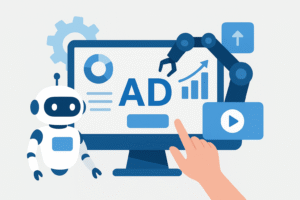 Google Ads now provides Smart Bidding, automated ad creation, and performance-driven suggestions. These AI tools analyze historical data, predict user intent, and adjust bids in real-time to maximize conversions. Similarly, Facebook’s Advantage+ campaigns automatically optimize placements, ad creatives, and audience targeting to achieve campaign goals with minimal manual intervention.
AI isn’t just about automation—it’s about insight. Predictive analytics allows marketers to anticipate user behavior, such as which segments are likely to convert or which times yield the highest engagement. Natural language processing (NLP) tools can generate ad copy suggestions aligned with your audience’s preferences. Machine learning algorithms continuously learn from campaign outcomes, ensuring that ads evolve and improve over time.
For businesses, the integration of AI and automation results in more efficient campaigns, lower costs per acquisition, and faster iteration cycles. Marketers can focus on strategy, creative storytelling, and analysis while the AI handles repetitive optimization tasks.
In 2025, AI-driven advertising is no longer a luxury—it’s a necessity. Companies that embrace these technologies gain a competitive edge, achieving better performance, faster scaling, and a more precise connection with their target audiences.
Preparing for the Future: Trends in Paid Advertising
Paid advertising is an ever-evolving landscape. To remain competitive, brands must anticipate trends and adapt strategies proactively. In 2025, several trends are shaping the future of Google Ads and Facebook Ads:
Firstly, privacy and data protection continue to influence targeting. With regulations like GDPR and evolving data privacy standards, businesses need to balance personalization with compliance. Advertisers will increasingly rely on first-party data, CRM integration, and contextual targeting to reach audiences responsibly.
Secondly, video-first content dominates. Short-form videos, interactive ads, and immersive experiences engage audiences more effectively than static formats. Platforms like YouTube, Facebook Reels, and Instagram Stories provide new opportunities for creative campaigns.
Thirdly, cross-channel integration becomes essential. Users engage across multiple platforms, and consistent messaging across search, social media, and email marketing ensures stronger brand recognition and higher conversion rates.
Lastly, AI-powered optimization continues to accelerate. Predictive models, dynamic ad placements, and automated creative testing will become standard practice. Early adopters will outperform competitors in efficiency, targeting precision, and ROI.
Brands that embrace these trends proactively can maintain relevance, scale campaigns effectively, and achieve measurable growth. Preparing for the future involves investing in technology, continuous learning, and adopting data-driven strategies that evolve with the digital marketing ecosystem.
Conclusion
In conclusion, mastering paid advertising through Google Ads and Facebook Ads requires a strategic balance of data, creativity, and continuous optimization. From understanding the advertising funnel to leveraging advanced audience strategies and integrating AI, every aspect plays a vital role in driving business growth.
For businesses today, paid advertising is no longer optional—it is a core component of digital marketing success. By combining precise targeting, compelling ad copy, optimized landing pages, and cross-platform strategies, brands can maximize ROI while building lasting customer relationships.
At Appledew UK, we understand the intricacies of these platforms and the potential they hold for businesses seeking exponential growth. Our expertise ensures that every campaign is data-driven, creative, and fully optimized for measurable results. By staying ahead of trends and adopting innovative strategies, brands can thrive in the ever-evolving digital landscape.
Embracing these insights and techniques positions businesses for long-term success, enabling them to harness the full power of paid advertising in 2025 and beyond.
AI Implementation Prompt for Paid Advertising Mastery Blog Post
Prompt:
“Using the insights from the blog post titled ‘Paid Advertising Mastery: How Google Ads and Facebook Ads Drive Business Growth,’ create a detailed, step-by-step paid advertising plan for a business seeking growth in 2025. Include strategies for both Google Ads and Facebook Ads. The plan should cover:
- Target Audience Identification: Define key demographics, interests, and behaviors. Include ideas for Lookalike Audiences and Custom Audiences.
- Campaign Structure: Suggest types of campaigns (Search, Display, Video, Shopping, Performance Max for Google; Awareness, Consideration, Conversion campaigns for Facebook).
- Ad Creative & Copywriting: Generate sample ad copy and visuals ideas tailored to each platform, optimized for high engagement and conversion.
- Landing Page Recommendations: Provide suggestions for landing page design, messaging, and call-to-action elements that match ad creatives.
- Budget Allocation & Smart Bidding: Outline strategies for budget optimization, Smart Bidding (Google), and Campaign Budget Optimization (Facebook).
- Retargeting & Cross-Platform Integration: Suggest retargeting sequences and cross-platform strategies to maximize conversions.
- KPIs & Analytics: Define measurable KPIs, tracking setups (Google Analytics, Facebook Pixel), and optimization metrics.
- Testing & Continuous Optimization: Recommend A/B testing ideas, AI-driven automation, and iterative improvements.
- Mobile Optimization: Include mobile-first ad and landing page strategies.
- Future-Proofing: Suggest upcoming trends or innovations (e.g., AI-powered creative optimization, video-first ads, privacy-friendly targeting) to ensure campaigns stay ahead.
Format the output as a professional, ready-to-implement digital advertising strategy, complete with actionable steps, examples, and measurable outcomes. Ensure recommendations are aligned with high-quality advertising standards and ethical marketing practices.”