

Search Engine Optimization (SEO) is the driving force behind every successful digital strategy in 2025. It’s more than just adding keywords to your website; it’s about understanding how algorithms, user intent, and high-quality content work together to rank your site at the top. As online competition grows, mastering SEO techniques can help brands dominate search results, attract organic visitors, and convert clicks into loyal customers. Whether you’re running a small business or managing a large enterprise, SEO empowers you to enhance visibility, credibility, and long-term growth. In this comprehensive guide, we explore every essential aspect of SEO that matters in 2025 — from on-page optimization to advanced link-building strategies.
Introduction
In today’s fast-paced digital world, having an online presence is no longer optional — it’s essential. Businesses that want to stand out, attract clients, and build authority must master the art of Search Engine Optimization (SEO). It’s the backbone of digital marketing, shaping how audiences discover, engage, and trust your brand online. At Appledew UK, we believe that SEO is not just about ranking higher on Google but about creating valuable connections with the right audience. By understanding user intent and delivering optimized, high-quality content, your website can gain lasting visibility and authority. This blog will walk you through the modern SEO landscape of 2025 — revealing strategies, tools, and trends that can help you outshine competitors and build a brand that lasts.
Understanding the Core Principles of SEO
Search Engine Optimization is built on three essential pillars: technical excellence, content relevance, and authority. To truly grasp SEO, you must understand how search engines like Google, Bing, and Yahoo evaluate websites. At its core, SEO involves improving both the user experience and the search engine understanding of your website. When these two align, rankings rise naturally. Technical SEO ensures that your website loads fast, is mobile-friendly, and has a clear site structure. Meanwhile, on-page SEO focuses on optimizing content — using target keywords in headings, meta descriptions, and internal links. Off-page SEO builds your authority through backlinks, mentions, and engagement across the web. The synergy between these elements determines your visibility in search results. In 2025, SEO success depends on how well you can merge human readability with algorithmic accuracy — balancing user satisfaction with machine understanding.
The Evolution of SEO: From Keywords to User Intent
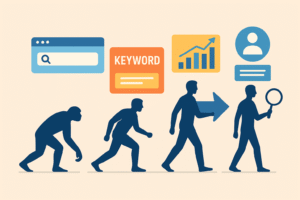 The days of keyword stuffing are long gone. In 2025, SEO is all about understanding user intent — the reason behind every search query. Google’s algorithms have evolved to prioritize context, meaning, and quality over keyword density. Search engines now aim to deliver the most relevant and helpful content to users, even if it doesn’t exactly match their query wording. This shift means that SEO strategies must focus on solving problems, answering questions, and creating content that users genuinely value. By identifying whether a query is informational, navigational, or transactional, businesses can tailor their SEO approach accordingly. Successful brands no longer chase random keywords; they target intent-driven phrases that match audience needs. When content resonates with intent, rankings improve naturally, traffic becomes more qualified, and conversions multiply — marking a new era in Search Engine Optimization.
On-Page SEO: Optimizing for Maximum Impact
On-page SEO remains one of the most controllable and impactful parts of a digital strategy. It refers to all the optimization techniques performed directly on your website to enhance visibility. The key elements include title tags, meta descriptions, header tags, URL structure, and internal linking. Each component communicates important information to both users and search engines. A well-optimized page should deliver valuable content, incorporate relevant keywords naturally, and maintain a clear, scannable layout. Furthermore, 2025’s SEO emphasizes semantic optimization — using related phrases, synonyms, and contextual cues to strengthen meaning. This ensures your content is not just keyword-rich but truly informative and aligned with how people search. A strong on-page SEO strategy helps search engines understand your topic, builds user trust, and encourages longer dwell times — all critical factors that lead to higher rankings and sustainable traffic growth.
Technical SEO: Building a Strong Foundation
Behind every high-ranking website lies solid technical SEO. This is the backbone of your site’s performance, influencing how search engines crawl, index, and interpret your pages. If your technical foundation is weak, even great content can struggle to rank. In 2025, technical SEO includes optimizing site speed, mobile responsiveness, schema markup, and secure HTTPS connections. A slow-loading site can drive users away, while broken links or missing tags can confuse crawlers. Search engines prefer structured, well-organized websites that provide seamless navigation and accessibility for both users and bots. XML sitemaps, canonical URLs, and proper indexing rules are all vital. Additionally, the rise of Core Web Vitals has made performance metrics like loading time, interactivity, and visual stability key ranking factors. By mastering technical SEO, businesses create a stable foundation for all other optimization efforts — ensuring long-term search visibility and a positive user experience.
Keyword Research: The Heart of Every SEO Strategy
Keyword research is the beating heart of every successful Search Engine Optimization campaign. It forms the foundation upon which all other strategies are built. In 2025, keyword research has evolved beyond just identifying popular terms — it’s about understanding the language of your audience, analyzing search intent, and identifying profitable opportunities that align with your brand goals. Modern SEO professionals rely on advanced tools like Google Keyword Planner, Ahrefs, SEMrush, and Moz to uncover keyword trends and search volume insights. However, true mastery lies in finding the balance between high search volume and low competition. Long-tail keywords have become increasingly valuable because they target specific audiences and demonstrate clearer intent. When users search using longer, more descriptive phrases, they are often closer to making a decision — whether it’s purchasing a product, booking a service, or requesting information. Integrating these targeted keywords naturally throughout your website helps search engines connect your content with the right audience. It’s also essential to analyze competitors’ keywords and discover content gaps — areas where your site can outperform others. In short, keyword research in 2025 isn’t just about numbers; it’s about understanding people — their needs, questions, and the terms they use to express them. When done right, keyword research can transform your online presence from invisible to irresistible.
The Importance of High-Quality Content in SEO
The saying “content is king” remains truer than ever in the realm of Search Engine Optimization. However, in 2025, content is not just about quantity — it’s about quality, originality, and relevance. Search engines have become incredibly sophisticated, analyzing not only what you say but how you say it. Google’s algorithms prioritize content that genuinely helps users, answers their questions, and provides real value. Thin, repetitive, or keyword-stuffed articles no longer stand a chance. Instead, well-researched, engaging, and authoritative content wins the race. Every piece of content should serve a purpose — whether it’s educating, entertaining, or persuading your audience. Incorporating multimedia elements like videos, infographics, and interactive visuals further enhances engagement. The longer visitors stay on your site, the more Google interprets your content as valuable. To succeed, every paragraph should flow naturally, addressing real problems while subtly integrating target keywords. The ideal SEO content also includes freshness — regularly updated articles signal to search engines that your website is active and relevant. When you prioritize your readers’ experience above all else, search visibility follows naturally. In the world of modern SEO, the path to high rankings begins with crafting high-quality, audience-first content.
Off-Page SEO and the Power of Backlinks
While on-page optimization shapes your website internally, off-page SEO determines your authority and reputation across the internet. The most influential factor in off-page SEO is link building — the process of earning high-quality backlinks from other reputable sites. Backlinks act as digital endorsements; each link tells search engines that your content is trustworthy and valuable. However, not all backlinks are equal. In 2025, quality outweighs quantity. A single link from a respected, high-domain-authority website can have a greater impact than dozens of links from low-quality sources. Building backlinks organically requires time, strategy, and relationship-building. Guest blogging, digital PR, influencer outreach, and content marketing all play vital roles in attracting genuine links. Moreover, brand mentions without direct links — also known as “implied links” — are gaining recognition as ranking signals. Off-page SEO also extends to social signals, reviews, and local citations, all of which help strengthen brand visibility and trustworthiness. The ultimate goal of off-page SEO is to create a strong digital footprint that positions your website as an authority within its niche. When search engines perceive your site as reputable and relevant, your rankings naturally climb — giving you long-term competitive advantages in the ever-evolving world of Search Engine Optimization.
User Experience (UX) and Its Role in SEO Success
In the modern era of Search Engine Optimization, user experience has emerged as one of the most crucial ranking factors. Search engines have shifted their focus from pure keyword relevance to how users actually interact with a website. If visitors find your site difficult to navigate, slow to load, or poorly designed, they’re likely to leave — increasing your bounce rate and hurting your rankings. A great user experience combines aesthetics, functionality, and accessibility. The design should be clean, responsive, and intuitive, ensuring that users can easily find what they’re looking for. Moreover, Google’s Core Web Vitals — which assess loading performance, interactivity, and visual stability — are now a major part of ranking algorithms. Sites that perform well in these metrics enjoy higher visibility in search results. Furthermore, elements such as clear call-to-action buttons, readable fonts, and structured content contribute to a smoother browsing experience. SEO and UX are no longer separate disciplines; they are deeply intertwined. A well-optimized page that fails to engage users is of little value, and a beautiful website without optimization will struggle to attract visitors. The synergy between design and SEO ensures that both users and search engines view your site favorably — paving the way for stronger rankings and sustainable digital growth.
Mobile SEO: Optimizing for the Mobile-First World
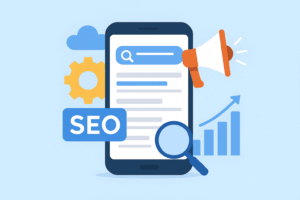 As mobile internet usage continues to dominate, mobile SEO has become a defining factor in the success of any online business. With over 70% of all web traffic now coming from smartphones and tablets, search engines have shifted to mobile-first indexing, meaning they primarily crawl and rank the mobile version of your website. A mobile-optimized site not only ranks better but also offers a superior user experience. Pages must load quickly, display correctly on various screen sizes, and maintain easy navigation. Mobile users are often seeking quick answers or nearby services, which means local SEO and voice optimization also play key roles. Compressing images, minimizing code, and using responsive web design ensures your site adapts perfectly to different devices. Furthermore, features like clickable phone numbers, streamlined menus, and touch-friendly buttons enhance usability. A poor mobile experience can instantly drive potential customers away — harming both rankings and conversions. Therefore, investing in mobile optimization is not optional; it’s essential for any business aiming to succeed in today’s mobile-driven marketplace. By mastering mobile SEO, your website becomes accessible, user-friendly, and highly visible — giving you a decisive advantage in the evolving world of Search Engine Optimization.
Voice Search Optimization: The Next Big Leap in SEO
In the ever-evolving landscape of Search Engine Optimization, voice search has emerged as a revolutionary trend shaping how users interact with search engines. The popularity of smart devices like Alexa, Siri, and Google Assistant has transformed the way people search for information. Instead of typing, users now speak naturally, asking full questions or giving direct commands. This shift has fundamentally changed SEO strategies. To succeed in 2025, businesses must focus on optimizing for conversational queries and long-tail keywords that reflect natural speech patterns. For instance, instead of targeting “best Italian restaurant London,” voice search optimization targets phrases like “Where’s the best Italian restaurant near me?” This approach requires understanding user intent and structuring content in a way that provides clear, concise answers. Featured snippets and “position zero” results have become more valuable because they are often read aloud by voice assistants. Websites that can answer specific questions accurately stand a higher chance of being chosen for these results. Additionally, local SEO plays a critical role in voice search success, as most voice-based queries involve finding nearby services or products. To remain competitive, brands must integrate structured data, optimize for mobile, and maintain a fast-loading, secure site. Voice search isn’t just the future — it’s the present, and companies that adapt quickly will capture a growing audience of voice-driven users. Mastering voice optimization today ensures that your SEO strategy remains relevant, accessible, and powerful in the era of smart technology.
Local SEO: Connecting with Nearby Audiences
Local SEO has become one of the most vital components of Search Engine Optimization, particularly for businesses that serve specific geographic areas. With Google’s continued emphasis on location-based search results, optimizing your website for local intent can dramatically increase visibility and foot traffic. When users search phrases like “best bakery near me” or “SEO services in London,” Google prioritizes businesses with optimized Google My Business (GMB) profiles, consistent NAP (Name, Address, Phone) data, and localized content. In 2025, successful local SEO strategies go beyond simple listings — they focus on building community relevance and trust. This means generating genuine customer reviews, creating locally targeted blog content, and earning citations from reputable directories. Additionally, embedding location-based keywords in meta titles, descriptions, and URLs enhances your local authority. Google Maps integration and schema markup further improve search performance. Another critical aspect of local SEO is mobile compatibility, as most local searches occur on smartphones. For service-based businesses, visibility in the local 3-pack (the top three map results) can be game-changing. It’s not just about being online; it’s about being found by the right people at the right time. For companies aiming to grow their physical and digital presence, local SEO bridges the gap between online discovery and real-world action — empowering businesses to dominate their local market and connect meaningfully with nearby customers.
The Role of Artificial Intelligence in Modern SEO
Artificial Intelligence (AI) is redefining the future of Search Engine Optimization. With advancements in machine learning and natural language processing, search engines like Google now use AI-driven algorithms such as RankBrain and BERT to understand search queries more intelligently. These systems analyze context, intent, and content quality to deliver more relevant results. For SEO professionals, this means strategies must evolve from rigid keyword targeting to a more holistic approach that prioritizes content meaning and user experience. AI helps search engines learn how users interact with websites, measuring engagement signals like dwell time, click-through rate, and return visits. In 2025, businesses are leveraging AI-powered tools for keyword analysis, content optimization, and performance tracking. Tools such as SurferSEO, Clearscope, and ChatGPT-driven content assistants enable marketers to generate insights faster and create data-backed strategies. Additionally, AI supports predictive SEO, allowing brands to forecast search trends before they peak — giving them a first-mover advantage. The rise of AI also enhances personalization; algorithms can tailor search results to individual preferences, improving user satisfaction. However, this evolution also increases competition, as search results become more selective and precise. To stay ahead, brands must align their SEO efforts with AI-friendly practices — focusing on semantic search, E-E-A-T (Experience, Expertise, Authoritativeness, Trustworthiness), and contextual content creation. In essence, AI has transformed SEO from a set of technical tasks into an intelligent, data-driven discipline that rewards authenticity, accuracy, and value.
Link-Building Strategies That Work in 2025
Link building has always been one of the most influential ranking factors in Search Engine Optimization, but its approach has dramatically evolved. Gone are the days when buying backlinks or participating in link farms could boost rankings. In 2025, successful link building is about earning links naturally through credibility, relationships, and content excellence. Google’s algorithms are now highly capable of identifying manipulative practices, penalizing sites that engage in spammy tactics. The focus today is on building meaningful connections with authoritative websites in your industry. High-quality backlinks act as endorsements, signaling to search engines that your site is trustworthy and valuable. Guest posting on reputable platforms, creating share-worthy content, and leveraging digital PR campaigns are effective ways to attract organic links. Additionally, broken link building — identifying outdated or inactive links on other websites and offering your relevant content as a replacement — remains a smart, ethical tactic. Another key trend is brand-driven link acquisition, where recognition and media mentions contribute to your overall authority, even without direct links. The foundation of link building lies in offering value — when your content solves problems or provides insights, others will naturally reference it. Sustainable SEO success comes from building a network of relevant, high-quality backlinks that enhance both visibility and reputation. In 2025, ethical link building is not just an SEO technique — it’s a long-term investment in your brand’s digital trustworthiness.
Content Optimization: Enhancing Readability and Relevance
In the digital marketing ecosystem, content optimization is the art of transforming good content into great content. Within the broader strategy of Search Engine Optimization, it ensures that your content is not only engaging for readers but also highly discoverable by search engines. In 2025, content optimization involves far more than inserting keywords; it’s about structuring, refining, and aligning your message with search intent and algorithmic preferences. High-quality content optimization begins with clarity — using descriptive titles, clean formatting, and short, well-structured paragraphs that improve readability. Google now evaluates how users interact with your content, so readability metrics such as dwell time and bounce rate directly influence ranking potential. Incorporating semantic keywords, synonyms, and naturally flowing phrases helps Google understand the topic context more deeply. Another crucial element is multimedia integration — embedding videos, visuals, or infographics enhances engagement and makes your page more dynamic. Internal linking is equally vital, as it guides both users and crawlers through your site, establishing content hierarchy and authority. Moreover, optimized meta descriptions, title tags, and alt text for images ensure that every aspect of the page contributes to SEO performance. Updating old posts regularly to reflect new data or trends signals freshness, another strong ranking factor. Ultimately, content optimization is the bridge between creativity and technical precision — it combines storytelling, design, and SEO principles to deliver value that satisfies both human readers and search engines. When executed properly, it can significantly improve your visibility, credibility, and conversion rates — keeping your brand relevant in the ever-evolving digital world.
SEO Analytics: Measuring What Matters Most
Without measurement, there can be no improvement. SEO analytics plays a central role in determining the effectiveness of your optimization efforts. It provides insights into how users find, interact with, and engage with your website. In 2025, analytics tools such as Google Search Console, Google Analytics 4, and Ahrefs have become indispensable for every SEO professional. These tools help track organic traffic, keyword rankings, backlinks, and user behavior patterns. However, the key lies in interpreting data meaningfully. Metrics like click-through rate (CTR), bounce rate, average session duration, and conversion rate reveal what’s working and what isn’t. By studying these trends, marketers can fine-tune strategies to focus on the highest-impact areas. SEO analytics also aids in identifying content gaps — topics or keywords that competitors rank for but you don’t. Regular reporting helps evaluate ROI and justify marketing investments. Additionally, AI-powered analytics tools now predict future trends, helping businesses stay ahead of algorithm updates and search behavior changes. Data-driven SEO goes beyond tracking — it transforms numbers into actionable strategies. The most successful digital marketers use analytics not just as a diagnostic tool but as a strategic compass guiding all optimization decisions. By embracing SEO analytics, businesses can make informed choices, allocate resources efficiently, and sustain long-term visibility in competitive markets. In the end, SEO success is built on insights, not instincts, and those who measure what truly matters will always stay ahead.
The Power of Schema Markup and Structured Data
In the realm of Search Engine Optimization, schema markup and structured data play a crucial role in helping search engines understand website content more precisely. These microdata codes, implemented in your website’s HTML, act as digital translators — telling Google exactly what your page represents. Whether it’s a product, review, event, or FAQ, schema markup adds context and enhances how your content appears in search results. In 2025, structured data has become even more vital with the rise of rich snippets and AI-driven search results. Websites that implement schema effectively often enjoy higher click-through rates because their listings stand out visually, featuring ratings, images, or additional details. From an SEO perspective, this improves user engagement and signals higher relevance. Common schema types include Article, Local Business, Product, and Organization — each providing metadata that boosts visibility. Search engines reward clarity, and schema delivers just that. Moreover, structured data supports emerging search technologies like voice search and Google’s generative AI results, which rely heavily on context to provide answers. Implementing schema markup may seem technical, but tools like Google’s Structured Data Markup Helper simplify the process. For any business serious about SEO, adopting structured data is no longer optional; it’s a necessity for staying competitive. Schema markup bridges the communication gap between websites and search engines — ensuring your content is understood, indexed, and displayed exactly how you intend it. In short, structured data transforms your content from plain text into a meaningful, machine-readable masterpiece.
The Impact of Core Web Vitals on SEO Rankings
 Google’s Core Web Vitals have redefined how websites are ranked in search results, making user experience metrics a central pillar of Search Engine Optimization. These vitals measure three crucial aspects of performance — Largest Contentful Paint (LCP), First Input Delay (FID), and Cumulative Layout Shift (CLS) — each reflecting how fast, responsive, and stable a page is during loading. In 2025, Google continues to refine these metrics, rewarding sites that deliver smooth, fast, and visually stable experiences. A high LCP score means your main content loads quickly; low FID ensures users can interact instantly; and minimal CLS prevents elements from shifting unexpectedly. Sites that meet these benchmarks often achieve better engagement, lower bounce rates, and higher conversions. Improving Core Web Vitals involves compressing images, leveraging caching, optimizing code, and using reliable hosting. These technical improvements not only please search algorithms but also enhance real-world usability. As internet users grow more impatient with slow-loading pages, performance optimization becomes a competitive advantage. Core Web Vitals essentially bridge the gap between SEO and UX, proving that speed and functionality are just as important as content and keywords. Businesses that invest in performance optimization are more likely to achieve sustainable growth in search rankings. Simply put, a faster, more stable site is a better-ranked site — and in the world of SEO, every second counts. Prioritizing Core Web Vitals ensures your visitors stay longer, engage more, and trust your brand’s professionalism — key ingredients for long-term digital success.
The Future of SEO: Preparing for What Comes Next
The future of Search Engine Optimization is rapidly evolving, driven by constant technological innovations, algorithmic advancements, and shifting user behaviors. As we look ahead beyond 2025, one thing is clear — SEO is no longer just about ranking higher; it’s about building long-term digital trust and brand authority. Search engines are becoming smarter, with AI and machine learning continuously shaping how content is understood, indexed, and ranked. The introduction of Google’s Search Generative Experience (SGE) is transforming traditional search results into interactive, AI-generated summaries, emphasizing accuracy, context, and expertise. To thrive in this environment, businesses must prioritize E-E-A-T — Experience, Expertise, Authoritativeness, and Trustworthiness. These principles define how Google evaluates credibility and reliability. Additionally, personalization is set to dominate SEO strategies, where each user’s browsing history, location, and preferences influence the results they see. Websites that provide personalized, intent-driven experiences will enjoy stronger engagement and loyalty. Moreover, visual search and video SEO are gaining momentum as users increasingly prefer dynamic content formats. Brands that optimize their media, transcripts, and structured data for these formats will capture more traffic from diverse platforms. Another key area of growth is sustainability-focused SEO, where environmentally conscious hosting, accessibility, and ethical marketing practices impact brand perception and rankings. The future of SEO belongs to those who adapt — who continuously test, learn, and innovate. Success will depend on balancing creativity with technology, and authenticity with strategy. Businesses that embrace evolving trends and focus on delivering value — not shortcuts — will stay relevant in the digital landscape. The next chapter of SEO will be less about manipulating algorithms and more about mastering human connection through optimized, meaningful experiences.
Conclusion
In conclusion, Search Engine Optimization (SEO) remains the most powerful tool for shaping a brand’s online visibility and long-term growth. It’s not a one-time task but a continuous journey that combines technical precision, creative storytelling, and data-driven decision-making. As we move deeper into the digital age, SEO’s influence extends far beyond rankings — it builds credibility, enhances user experience, and connects businesses with their ideal audiences. For brands striving to succeed in 2025 and beyond, the key lies in adopting an integrated approach that aligns with both user intent and algorithmic evolution. By focusing on high-quality content, technical excellence, and authentic engagement, businesses can achieve sustained success in a competitive environment. At Appledew UK, we understand that mastering SEO means more than just optimizing pages — it’s about creating digital experiences that resonate, inspire, and convert. Whether you’re looking to grow your brand, expand your audience, or enhance your website’s performance, investing in a well-rounded SEO strategy is the smartest step forward. The digital world never stops evolving — and neither should your optimization efforts. With consistency, innovation, and insight, your website can rise above the noise and achieve true digital dominance.
Implementation Prompt for AI:
“You are an expert SEO consultant and content strategist. Using the blog post titled ‘Mastering Search Engine Optimization in 2025: A Complete Guide to Boosting Your Online Presence,’ create a detailed, step-by-step action plan to implement the SEO strategies discussed. Ensure the plan follows Google’s Search Quality Guidelines and focuses on:
- On-Page SEO – Optimize title tags, meta descriptions, headings, URL structure, and internal links. Use semantic keywords and ensure readability.
- Technical SEO – Improve site speed, mobile responsiveness, HTTPS security, schema markup, and Core Web Vitals compliance.
- Keyword Strategy – Identify target keywords based on search intent, including long-tail keywords. Include competitor gap analysis.
- Content Optimization – Suggest improvements for existing content and create new, high-quality, intent-driven content. Include multimedia integration and structured data recommendations.
- Off-Page SEO & Link-Building – Recommend strategies to earn authoritative backlinks ethically, including guest posting, digital PR, and brand mentions.
- User Experience & Mobile SEO – Recommend improvements to navigation, UX design, mobile usability, and voice search optimization.
- Local SEO – Include strategies for local listings, Google Business Profile optimization, and localized content creation.
- AI & Analytics – Suggest tools for SEO analytics, predictive trends, and AI-assisted optimization. Include measurable KPIs and reporting methods.
- Future-Proofing – Offer strategies to adapt to upcoming trends like visual search, generative AI search results, and personalized search.
Deliver the plan as a clear, actionable checklist with priorities and estimated timelines for implementation. Use practical language, examples, and references where applicable. Focus on both immediate wins and long-term SEO growth.”