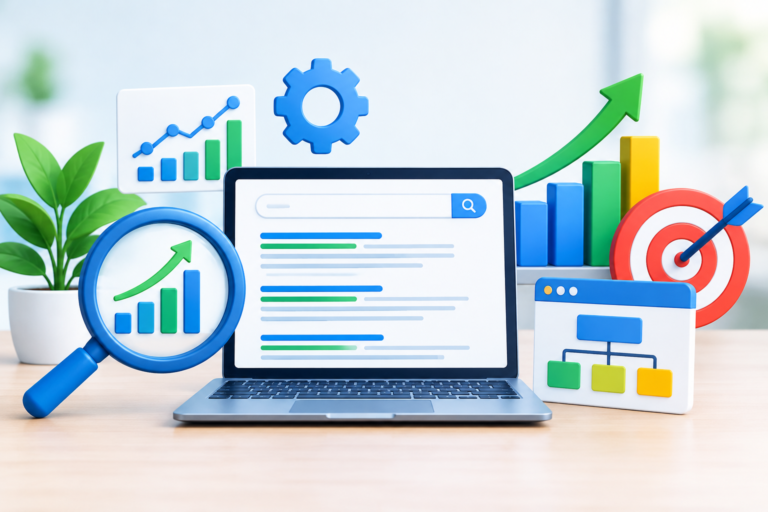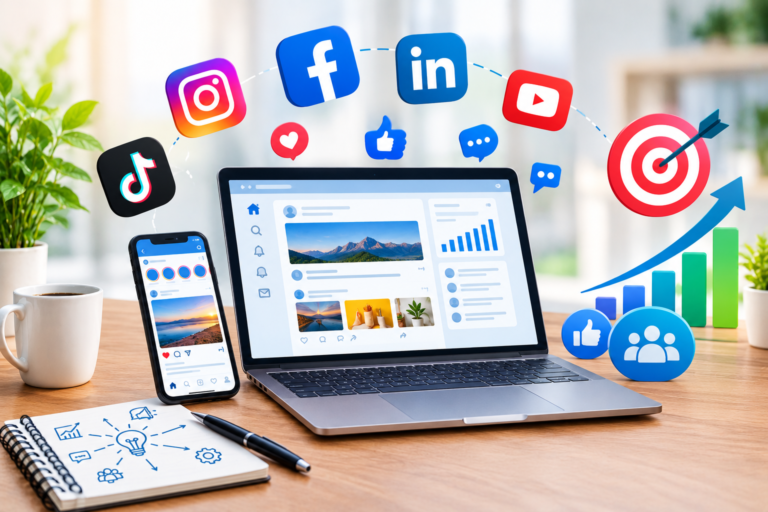

In today’s competitive digital marketplace, mastering paid advertising strategies is no longer optional—it’s a necessity. Every brand wants to stand out, but not everyone knows how to leverage platforms like Google Ads and Facebook Ads effectively. By implementing strong paid advertising strategies, businesses can reach their target audience faster, generate quality leads, and maximize return on investment. Whether it’s driving website traffic, building brand awareness, or boosting sales conversions, a well-executed advertising campaign can redefine success in the digital age.
Introduction
In the ever-evolving digital marketing world, Appledew UK believes that paid advertising is the cornerstone of online success. With millions of brands competing for visibility, only those who understand the power of Google Ads and Facebook Ads truly thrive. These platforms offer unparalleled opportunities for precision targeting, real-time performance tracking, and measurable business growth. Whether you’re a startup seeking brand recognition or an established business aiming to scale, understanding how these advertising giants work can revolutionize your marketing results. This blog dives deep into the mechanisms, advantages, and expert insights on how to master paid advertising for sustainable digital growth.
The Evolution of Paid Advertising
The digital marketing landscape has undergone a dramatic transformation in the past two decades. Initially, businesses relied heavily on traditional methods like TV commercials, newspaper ads, and billboards. However, with the advent of the internet, the focus shifted towards online advertising, giving birth to paid advertising strategies that are data-driven and measurable.
Paid advertising has evolved from simple banner ads to intelligent, automated systems powered by AI and machine learning. Platforms like Google Ads and Facebook Ads now allow marketers to reach hyper-specific audiences based on demographics, interests, behavior, and intent. This evolution signifies not just a technological shift but a change in how brands communicate and engage with their audiences.
The beauty of paid advertising lies in its adaptability. Businesses can test different ad creatives, budgets, and audiences in real-time. This flexibility allows continuous optimization, ensuring that every penny spent contributes to the campaign’s success. From contextual advertising to remarketing, the evolution of paid advertising has paved the way for a more personalized and results-oriented marketing experience.
The most significant turning point came with mobile and social media advertising, which gave rise to Facebook Ads and Google Ads as dominant players. These platforms empowered small businesses to compete with large corporations by offering cost-effective, scalable solutions. Today, paid advertising strategies represent a vital element in any digital marketing plan, driving visibility, engagement, and conversions like never before.
Understanding the Importance of Paid Advertising
In a crowded digital environment, standing out organically can be challenging. That’s where paid advertising becomes essential. It provides a fast, effective way to get your message in front of the right audience at the right time. Unlike organic marketing, which may take months to yield results, paid campaigns offer instant visibility and measurable performance metrics.
 Paid advertising strategies bridge the gap between brand exposure and direct response. Whether you’re launching a new product, promoting an event, or scaling an e-commerce business, paid campaigns ensure that your efforts don’t go unnoticed. Through advanced targeting features, businesses can pinpoint audiences based on age, location, gender, interests, and even online behaviors.
Furthermore, Google Ads and Facebook Ads offer insights that help marketers understand which messages resonate most with their target audience. This analytical depth makes optimization simpler and more effective. As digital competition grows, paid advertising ensures consistent brand exposure, customer acquisition, and retention.
A strategic combination of organic and paid marketing delivers the best results. While SEO builds long-term visibility, paid ads drive immediate engagement. In essence, investing in paid advertising is not just about buying clicks—it’s about investing in growth, learning from data, and continuously improving your marketing strategy to maximize return on investment.
How Google Ads Work
At its core, Google Ads is a pay-per-click (PPC) platform that allows advertisers to display ads on Google’s search results and partner sites. When users search for specific keywords, Google runs an auction to determine which ads appear. The ranking depends on factors such as bid amount, ad quality, and relevance.
One of the most powerful features of Google Ads is its ability to reach users with intent. People searching for products or services are already in a decision-making phase, making Google Ads a high-conversion channel. Advertisers can target keywords related to their niche, ensuring that their ads appear at the exact moment users are looking for solutions.
Google Ads operates across multiple networks—the Search Network, Display Network, Shopping Ads, and YouTube Ads—allowing businesses to diversify their approach. The flexibility of choosing between text ads, display banners, or video campaigns empowers marketers to craft messages that resonate.
Another critical aspect of Google Ads is its data-driven optimization. Through tools like Conversion Tracking and Google Analytics, advertisers can monitor performance, adjust bids, and refine targeting in real-time. The integration of automation and AI has also enhanced efficiency, helping businesses identify which campaigns deliver the best ROI.
Ultimately, paid advertising strategies on Google are about precision, performance, and continuous improvement. The platform’s algorithm rewards relevance and quality, meaning even small businesses can compete effectively by crafting smart, well-optimized campaigns.
Understanding How Facebook Ads Work
When it comes to paid advertising strategies, Facebook Ads play a pivotal role in connecting brands with highly targeted audiences. With over two billion active users, Facebook offers unparalleled reach, enabling businesses of all sizes to build awareness and drive conversions efficiently. What makes Facebook Ads unique is their deep understanding of user behavior—every like, share, and interaction feeds data into the platform’s advanced algorithm, allowing advertisers to reach people most likely to engage or purchase.
Facebook Ads operate on a bidding system similar to Google Ads. Advertisers set budgets, choose audience parameters, and decide how much they’re willing to pay per click, impression, or conversion. However, Facebook stands out for its robust audience segmentation tools. You can target users based on demographics, interests, online activities, life events, and even custom audiences derived from website visitors or email lists.
One of the most effective strategies in Facebook advertising is lookalike audiences, where the system identifies users who closely resemble your best-performing customers. This feature significantly expands reach while maintaining relevance. Facebook also provides multiple ad formats—carousel ads, video ads, collection ads, and instant experience ads—that deliver engaging and immersive experiences.
Furthermore, Facebook Pixel is a crucial element in tracking user behavior, optimizing campaigns, and improving ad performance. It allows advertisers to retarget visitors who didn’t complete desired actions, such as filling out a form or making a purchase. This retargeting ensures that your brand remains top of mind, boosting conversion rates over time.
In essence, Facebook Ads combine creativity and precision, making them a cornerstone of modern paid advertising strategies. Businesses that master this platform can achieve sustainable growth, foster customer relationships, and drive continuous engagement in the digital marketplace.
The Key Differences Between Google Ads and Facebook Ads
Though both Google Ads and Facebook Ads fall under the umbrella of paid advertising strategies, they serve distinct purposes and excel in different areas. Understanding their differences is essential for any marketer aiming to create a balanced and effective advertising plan.
Google Ads focuses on intent-based marketing, meaning it targets users who are actively searching for specific products or services. It’s ideal for businesses looking to capture leads or conversions from users who already have a defined interest. On the other hand, Facebook Ads are interest-based, targeting users based on their online behavior, preferences, and demographics rather than direct search intent.
This distinction impacts how audiences respond. Google Ads often yield faster sales conversions due to the buyer’s readiness to act, while Facebook Ads build brand awareness and long-term loyalty by reaching people before they even start searching. The ad formats also differ—Google primarily relies on text and search ads, while Facebook emphasizes visually engaging content like videos and images.
Budgeting and ROI tracking vary as well. Google Ads can be more expensive in highly competitive niches due to keyword bidding wars, while Facebook Ads typically offer more cost-effective engagement opportunities. However, both platforms complement each other beautifully when used together. For example, a brand could use Facebook Ads for awareness and Google Ads to capture the resulting search interest.
In summary, businesses shouldn’t view these platforms as competitors but as partners in their digital strategy. Combining both allows brands to cover every stage of the customer journey—from awareness and consideration to conversion and retention—making paid advertising strategies far more comprehensive and effective.
Crafting Effective Ad Copy That Converts
At the heart of every successful paid advertising strategy lies a powerful message. Ad copywriting is where creativity meets psychology, transforming simple words into persuasive narratives that inspire action. Whether it’s a Google Ad headline or a Facebook Ad caption, the language you use determines whether your audience scrolls past or clicks through.
A compelling ad copy starts with clarity—users should instantly understand what’s being offered and why it matters. Avoid jargon or vague promises. Instead, focus on the benefits that directly address customer pain points. For example, instead of saying “Get digital marketing help,” try “Increase your website traffic by 200% with expert digital campaigns.”
Emotions play a huge role in ad performance. Words that evoke excitement, curiosity, or urgency often yield higher engagement. Phrases like “limited offer,” “exclusive access,” or “don’t miss out” tap into psychological triggers that motivate users to act quickly. Moreover, every ad copy must include a strong call-to-action (CTA)—whether it’s “Shop Now,” “Learn More,” or “Get Started Today.”
Consistency between your ad and landing page is also crucial. Users should feel a seamless transition from the moment they click your ad to the final purchase or sign-up process. Mismatched messaging can cause confusion and lower conversion rates.
Ultimately, crafting effective ad copy is about understanding your audience’s mindset. By blending persuasive language with emotional appeal and strategic keywords, you can turn casual browsers into committed customers, making your paid advertising strategies significantly more impactful.
The Role of Target Audience Optimization
No matter how creative or well-funded your ad campaign is, it will fail if it doesn’t reach the right people. That’s why target audience optimization is the foundation of all paid advertising strategies. Both Google and Facebook offer advanced targeting tools that enable advertisers to connect with the most relevant users.
Google Ads allows targeting based on search intent, location, device type, demographics, and time of day. Meanwhile, Facebook Ads takes it a step further with behavioral data—interests, hobbies, job titles, and even relationship status. These details help advertisers craft personalized messages that resonate with specific audience segments.
One powerful approach is to use data-driven segmentation. By analyzing metrics like click-through rates, engagement levels, and conversion rates, businesses can identify which audience subsets deliver the best results. This information guides future campaigns, ensuring budget efficiency and higher ROI.
Another critical tactic is retargeting, where users who interacted with your site or ads are shown follow-up ads. This technique nurtures leads and reminds potential customers to complete their purchase or inquiry.
Target optimization is not a one-time task—it requires constant refinement. Audiences evolve, behaviors shift, and trends change. Regular analysis helps maintain campaign relevance. When brands truly understand who their audience is and what they care about, every dollar spent on paid advertising becomes an investment in long-term success rather than a gamble.
Conversion Tracking and Its Importance
Every effective paid advertising strategy relies on accurate conversion tracking. Without it, businesses are essentially marketing in the dark, unaware of what’s working and what’s wasting money. Conversion tracking measures user actions—purchases, form submissions, downloads, or calls—that indicate successful engagement with an ad.
Both Google Ads and Facebook Ads provide tools for tracking conversions. In Google Ads, the Conversion Tracking Tag helps monitor activities like sales or sign-ups directly from your website. In Facebook Ads, the Meta Pixel serves the same purpose, recording user actions after interacting with your ads.
These insights are invaluable because they highlight the effectiveness of each campaign element—keywords, audiences, creatives, and placements. For example, you can determine which keywords drive the highest conversions or which ad format performs best on mobile devices.
Conversion tracking also enables smart bidding strategies. Platforms can automatically adjust bids in real-time to prioritize users more likely to convert. This level of automation enhances efficiency while reducing ad spend wastage.
Most importantly, tracking conversions allows for ROI measurement. Businesses can directly compare advertising costs with the revenue generated, ensuring transparency and accountability. Without this data, even the most attractive campaign may appear successful on the surface but fail to deliver tangible results.
In conclusion, conversion tracking transforms paid advertising from guesswork into a data-driven science. It empowers marketers to make informed decisions, refine their approach, and continually improve campaign performance for maximum profitability.
Mastering Budget Management in Paid Advertising
Managing your advertising budget effectively is the backbone of all paid advertising strategies. Without a structured approach, even the most creative campaigns can burn through funds without producing results. Successful advertisers treat their budget not as an expense but as a strategic investment—allocating funds intelligently across platforms, audiences, and objectives to maximize return on investment.
Google Ads and Facebook Ads both offer flexible budgeting options. You can set daily budgets or lifetime budgets, allowing precise control over spending. This flexibility ensures that businesses, whether large or small, can manage their advertising expenses without overspending. However, it’s not just about how much you spend—it’s about how efficiently you spend it.
 To optimize your budget, focus on campaigns that deliver measurable results. Regularly analyze performance metrics like cost per click (CPC), cost per acquisition (CPA), and return on ad spend (ROAS). Reduce spending on underperforming ads and reallocate those funds to campaigns with higher engagement or conversion rates.
Testing plays a vital role in budget efficiency. Running multiple ad sets with varied creatives or audiences allows you to identify which combinations produce the best results. For instance, an ad performing well on Facebook’s mobile newsfeed might not yield the same impact on Instagram Stories. This insight helps in redistributing your budget to channels that deliver the highest returns.
Budget management also involves understanding seasonality and audience demand. During high-traffic periods like holidays or sales events, increasing your ad spend can generate exponential results. Conversely, during slower months, maintaining visibility with smaller budgets ensures consistent engagement without unnecessary costs.
In essence, effective budget management transforms paid advertising strategies into sustainable growth systems. By monitoring performance, reallocating funds smartly, and avoiding impulsive overspending, businesses can maintain a healthy advertising cycle that continuously fuels visibility, traffic, and profit.
The Power of A/B Testing in Paid Campaigns
One of the most valuable tools in refining paid advertising strategies is A/B testing—the process of comparing two or more variations of an ad to determine which performs better. It’s a scientific approach to marketing optimization that replaces guesswork with data-driven insights.
In Google Ads, A/B testing often involves experimenting with different ad headlines, descriptions, keywords, or extensions. For Facebook Ads, it could mean testing different visuals, audience segments, or ad placements. The goal is to identify which version generates higher engagement, click-through rates, or conversions.
Effective A/B testing begins with a clear hypothesis. For example, you might assume that using emotional language in your ad copy increases clicks. You then create two versions—one emotional and one factual—and compare their results over a defined period. The winning ad provides valuable insights that inform future campaigns.
Small changes can produce significant differences in results. Even altering a single word in your headline or modifying the image style can influence user response. However, it’s essential to test one variable at a time to ensure accurate results. Testing too many elements simultaneously makes it difficult to identify what caused the performance change.
Both Google and Facebook provide built-in split testing tools, making it easier for marketers to conduct experiments without external software. Once you’ve identified high-performing ads, scaling them becomes straightforward—allocating more budget to proven winners and discontinuing weaker variations.
Ultimately, A/B testing embodies the principle of continuous improvement. It ensures that your paid advertising strategies remain agile, adaptive, and optimized for success. By regularly analyzing what works best, you minimize risk, enhance performance, and create campaigns that truly resonate with your audience.
Retargeting: Re-Engaging Your Audience Effectively
Retargeting, also known as remarketing, is one of the most powerful paid advertising strategies for boosting conversions. It focuses on users who have already interacted with your brand—visited your website, added items to a cart, or engaged with your social content—but haven’t yet completed a purchase. These users are highly valuable because they’ve already shown interest in your offerings.
Google Ads and Facebook Ads provide advanced retargeting features. With Google’s Display Network, you can show tailored ads to users as they browse other websites or use YouTube. On Facebook, you can retarget users who visited specific pages, watched your videos, or interacted with your ads.
Retargeting works because it reinforces familiarity and trust. Consumers rarely make a purchase the first time they encounter a product. By reminding them through subtle yet consistent ads, you increase the likelihood of conversion. For example, if a user viewed a product but didn’t buy, a follow-up ad offering a discount or testimonial can encourage them to return and complete the transaction.
Dynamic retargeting takes personalization to another level by showing users the exact products they viewed, enhancing relevance. This strategy is particularly effective for e-commerce brands aiming to recover abandoned carts and boost sales.
However, retargeting requires balance. Overexposure can lead to ad fatigue or annoyance. It’s important to set frequency caps—limiting how often a user sees your ad—to maintain a positive perception.
In summary, retargeting is not about chasing potential customers; it’s about nurturing relationships. By re-engaging warm leads with tailored messages, businesses can turn interest into action, making retargeting an essential pillar of any high-performing paid advertising strategy.
Measuring Performance Metrics and Analytics
The success of paid advertising strategies relies heavily on how well you measure and interpret performance metrics. Numbers reveal the truth about campaign effectiveness, helping marketers identify strengths, weaknesses, and opportunities for improvement.
In Google Ads, key metrics include impressions, click-through rate (CTR), quality score, and conversion rate. These indicators show how often your ads are seen, how engaging they are, and how effectively they drive desired actions. Meanwhile, Facebook Ads focuses on metrics such as reach, engagement, cost per result, and relevance score.
Understanding these analytics helps you make smarter decisions. A high CTR indicates engaging content, while a low conversion rate may suggest a problem with your landing page or offer. Similarly, tracking cost per acquisition ensures that you’re not spending more on advertising than the revenue generated.
Data segmentation is another critical aspect of performance analysis. Breaking down results by device, age group, location, or time of day helps pinpoint where your ads perform best. You can then optimize future campaigns for those high-performing segments.
Integrating tools like Google Analytics and Meta Business Suite gives a holistic view of your advertising funnel. These platforms allow you to track the user journey from ad impression to final conversion, offering insights into what influences decisions.
Ultimately, performance tracking is not about collecting data—it’s about interpreting it to drive meaningful change. The more accurately you analyze your metrics, the more effectively you can refine your paid advertising strategies, ensuring sustainable growth and consistent improvement.
Ad Placement Optimization: Choosing the Right Spaces
Ad placement plays a decisive role in determining campaign success. Where your ad appears influences who sees it, how they interact with it, and ultimately, whether they convert. Optimizing ad placement is therefore a critical component of effective paid advertising strategies.
Google Ads offers placements across multiple networks—the Search Network, Display Network, Shopping Ads, and YouTube. Each serves a unique purpose. Search Ads target high-intent users actively seeking information, while Display Ads build brand visibility through visual impressions. YouTube Ads engage audiences through video storytelling, providing an immersive experience.
On the other hand, Facebook Ads feature placements across Facebook, Instagram, Messenger, and Audience Network. Automatic placements allow algorithms to determine where your ads perform best, but manual control gives advertisers the flexibility to focus on specific platforms. For instance, lifestyle brands may perform better on Instagram, while business-focused content might thrive on Facebook’s news feed.
Testing different placements is key. Ads that work well on one platform may underperform on another due to differences in audience behavior. Regularly reviewing placement reports helps identify which environments generate higher engagement and lower costs.
Additionally, optimizing ad creatives for each placement enhances effectiveness. Vertical videos work best in Instagram Stories, while horizontal visuals suit Facebook feeds or YouTube. The more native your content feels to its environment, the more likely users are to interact with it.
Ad placement optimization is about more than visibility—it’s about relevance. By ensuring that each ad appears in the most suitable digital space, businesses can boost interaction, improve conversion rates, and elevate the overall performance of their paid advertising strategies.
The Role of Ad Quality Score in Google Ads
In the world of Google Ads, the Ad Quality Score is a critical factor that determines how your ads perform and how much you pay per click. Essentially, it’s Google’s way of evaluating the relevance and quality of your ads compared to competitors targeting the same audience. For any brand aiming to optimize its paid advertising strategies, understanding and improving this score is essential.
Google calculates your Quality Score based on three main components—expected click-through rate (CTR), ad relevance, and landing page experience. A higher score means your ad is more useful to the audience and, as a result, costs less to run. Conversely, a lower score indicates that your ad or landing page may not meet user expectations, leading to higher costs and reduced visibility.
Improving your Quality Score starts with keyword alignment. Your chosen keywords should match your ad copy and landing page content seamlessly. This consistency ensures that users find exactly what they’re looking for when they click your ad. Secondly, the ad text must be compelling, clear, and directly related to the user’s search intent. Avoid clickbait or vague phrases that may lead to high bounce rates.
Landing page optimization is equally vital. Fast-loading, mobile-friendly, and content-rich landing pages improve user satisfaction and therefore raise your Quality Score. Using Google Analytics and PageSpeed Insights can help identify issues that may affect performance.
Ultimately, focusing on Quality Score isn’t just about saving money—it’s about providing users with a superior experience. When your ads are highly relevant and valuable, Google rewards you with better positioning and lower costs. This reinforces the principle that paid advertising strategies thrive on relevance, authenticity, and user satisfaction rather than mere spending power.
Mobile Advertising and Its Growing Impact
The rise of smartphones has completely reshaped paid advertising strategies. With mobile devices accounting for more than half of all internet traffic worldwide, advertisers must prioritize mobile-first campaigns to remain competitive. Both Google Ads and Facebook Ads have adapted to this trend by emphasizing mobile optimization and responsive ad formats.
Mobile advertising offers unparalleled access to consumers throughout their daily lives. From browsing social media to checking emails and watching videos, users engage with content on mobile devices more frequently than ever. This constant connectivity presents a golden opportunity for brands to deliver personalized messages at precisely the right moments.
However, succeeding in mobile advertising requires more than simply resizing desktop ads. The content must be short, visually engaging, and optimized for fast loading. Users scrolling on mobile devices have limited attention spans, so every second counts. Eye-catching headlines, concise messages, and strong visuals perform best in this environment.
Platforms like Facebook and Instagram offer vertical ad formats such as Stories, which immerse users in full-screen experiences. Similarly, Google Ads leverages responsive display and video ads to reach mobile audiences seamlessly across apps and websites.
Another key factor in mobile advertising is location-based targeting. Advertisers can use GPS data to show ads relevant to a user’s current area—for instance, promoting local stores, events, or services nearby. This hyper-personalization increases conversion rates and enhances brand trust.
In summary, mobile advertising represents the present and future of digital marketing. Businesses that integrate mobile-optimized creatives into their paid advertising strategies enjoy higher engagement, stronger brand recall, and significantly improved ROI.
The Integration of Artificial Intelligence in Paid Advertising
The inclusion of artificial intelligence (AI) has revolutionized how marketers design and execute paid advertising strategies. AI allows platforms like Google Ads and Facebook Ads to analyze vast amounts of data, automate decisions, and optimize campaigns for better performance in real-time.
In Google Ads, AI powers Smart Bidding, which automatically adjusts bids to maximize conversions within your set budget. This intelligent system evaluates factors such as device, location, time, and audience behavior to predict which clicks are most likely to result in sales. Similarly, Facebook uses machine learning algorithms to determine which audiences and ad creatives yield the best results, ensuring every penny of your budget is used effectively.
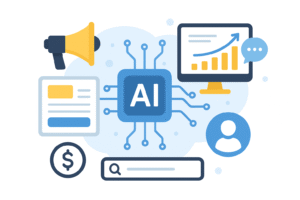 AI also assists in predictive analytics, helping marketers forecast trends and audience responses. For example, AI can identify patterns indicating when users are most likely to buy or engage, allowing advertisers to time campaigns for maximum impact.
Another significant advancement is dynamic ad generation, where AI automatically creates multiple ad variations using text, images, and headlines, then tests and optimizes them for the best-performing combination. This reduces manual workload and enhances campaign efficiency.
Moreover, chatbots and AI-driven customer interactions complement paid advertising by providing instant responses to user inquiries, increasing engagement and improving conversion potential.
AI doesn’t replace creativity—it enhances it. While human insight remains essential for storytelling and emotional resonance, AI ensures that campaigns are delivered to the right people at the right time, maximizing impact. As technology continues to evolve, integrating AI into paid advertising strategies will no longer be optional but a fundamental requirement for achieving sustainable success.
Future Trends in Paid Advertising
As digital landscapes continue to evolve, paid advertising strategies must adapt to emerging trends to maintain effectiveness. The future promises even more sophisticated technologies, data-driven targeting, and immersive ad experiences that reshape how brands connect with consumers.
One of the biggest trends is voice search advertising. With the rise of smart assistants like Google Home and Alexa, voice-based searches are becoming increasingly common. Advertisers will soon need to optimize campaigns for conversational keywords and question-based phrases to remain relevant.
Augmented reality (AR) and virtual reality (VR) are also transforming how users interact with ads. Platforms are beginning to offer immersive experiences where customers can “try” products virtually before purchasing—bridging the gap between digital and physical shopping.
Privacy and data transparency are becoming central to advertising ethics. As regulations like GDPR and CCPA shape data usage, marketers must prioritize consent-based targeting and build trust through transparent practices. Brands that respect privacy will enjoy long-term credibility.
Cross-platform integration is another key development. Consumers move seamlessly between devices and apps, and future advertising systems will follow them across these touchpoints, ensuring consistent messaging and engagement.
Finally, AI-driven personalization will continue to evolve, delivering ads that adapt dynamically to each user’s preferences, behavior, and context in real-time. This ensures unparalleled relevance and conversion potential.
In summary, the future of paid advertising is intelligent, interactive, and ethical. Businesses that stay ahead of these trends will not only increase visibility but also foster meaningful relationships with their audiences—ensuring longevity in an ever-changing digital environment.
Conclusion: Transforming Businesses with Appledew UK’s Paid Advertising Expertise
As we’ve explored throughout this comprehensive guide, mastering paid advertising strategies through Google Ads and Facebook Ads is a powerful way to grow and sustain a business in the modern digital landscape. These platforms offer precision targeting, measurable results, and unmatched scalability—qualities that make them indispensable tools for any forward-thinking brand.
However, success doesn’t come from running ads alone—it comes from understanding your audience, optimizing performance, managing budgets intelligently, and staying updated with the latest trends. That’s where expertise and experience make all the difference.
At Appledew UK, we specialize in crafting and managing high-performance paid advertising campaigns that drive measurable results. From keyword research and ad creative design to analytics and optimization, our strategies are built on data, creativity, and innovation. We help businesses transform their digital presence by leveraging the full potential of Google Ads and Facebook Ads, ensuring maximum reach, engagement, and ROI.
In today’s competitive marketplace, every click counts. Investing in professional paid advertising strategies ensures that your brand reaches the right people at the right time, turning potential leads into loyal customers. Let Appledew UK guide your journey toward digital growth and success—because in the world of online advertising, precision and expertise are the true game-changers.
Prompt for AI Implementation:
You are a marketing AI assistant. Using the insights from the blog post “Mastering Paid Advertising: How Google Ads and Facebook Ads Transform Your Business”, create a detailed, step-by-step action plan for a business to implement a full paid advertising strategy. Include guidance for both Google Ads and Facebook Ads, covering:
- Audience Analysis & Targeting: Define ideal audience segments, including demographics, interests, behaviors, and remarketing options.
- Ad Copy & Creative Recommendations: Suggest high-converting ad copy, CTAs, and creative ideas tailored to each platform.
- Campaign Structure & Budget Allocation: Recommend campaign types, ad groups, daily and lifetime budgets, and budget distribution strategies.
- A/B Testing & Optimization: Provide a structured plan for A/B testing ad copies, creatives, audiences, and placements.
- Conversion Tracking Setup: Include step-by-step instructions for Google Ads Conversion Tracking and Facebook Pixel setup.
- Performance Metrics & Analytics: Suggest key KPIs, reporting frequency, and actionable steps to improve campaigns based on results.
- Ad Placement & Device Optimization: Recommend optimal ad placements and mobile-first design strategies.
- AI & Automation Integration: Explain how to integrate Smart Bidding, AI ad generation, and predictive analytics for both platforms.
- Retargeting Strategy: Provide dynamic and standard retargeting plan to re-engage users.
- Future-Proof Recommendations: Include emerging trends like AR/VR ads, voice search targeting, privacy-compliant personalization, and cross-platform integration.
Deliver this as a comprehensive step-by-step blueprint that a small or medium business can follow to launch, manage, and optimize paid advertising campaigns successfully. Provide clear examples, actionable tips, and recommended tools wherever possible. Ensure all advice aligns with Google Search Quality Guidelines for trustworthy and authoritative content.