

In today’s hyper-competitive digital and offline markets, businesses need more than just quality products and services to stand out. They require a strong and memorable identity that resonates with their audience, and this is where the synergy between branding and graphic design plays a defining role. A brand is not only about a logo or tagline but also about the values, emotions, and promises that a company communicates consistently. Graphic design, on the other hand, is the visual expression of these promises, shaping how the brand looks, feels, and communicates with its customers.
At Appledew UK, we believe that crafting a unique identity through strategic branding and thoughtful design is the foundation of long-term business growth. Whether it’s a startup looking to establish its first impression or a well-established company aiming to rebrand, the combination of branding and graphic design becomes the key to storytelling, credibility, and customer loyalty. This blog will explore the critical elements, strategies, and benefits of branding and graphic design while providing insights into how they empower businesses to grow in the modern landscape.
The Importance of Branding and Graphic Design in Business
Branding and graphic design are essential tools for building a recognizable identity. A brand represents the voice, mission, and values of a business, while design is the visual element that communicates these messages effectively. Together, they shape the perception of your company in the minds of your audience. A strong brand supported by professional design builds trust, creates recognition, and generates loyalty.
Businesses that invest in branding and graphic design are often better positioned to capture attention and leave a lasting impact. From the logo that serves as a company’s face to the typography, color schemes, and imagery used across marketing channels, each element plays a role in reinforcing brand identity. A well-crafted visual identity is not merely decoration; it conveys meaning, signals professionalism, and fosters emotional connections with customers.
The importance of branding and graphic design extends beyond aesthetics. They help align internal culture with external communication. Employees feel motivated when they work for a brand with a clear vision and identity, and customers are more likely to engage with a company that presents itself consistently and attractively. This unified communication ensures that every interaction strengthens the overall brand message, leading to growth and sustainability.
Defining Branding: More Than Just a Logo
Many people mistake branding for a logo, but in reality, branding goes far deeper. It represents the entire identity of a business, from the way it communicates with customers to the emotions it evokes. A brand is a promise—a guarantee that customers can expect consistent value every time they interact with your company.
Branding encompasses multiple aspects such as mission statements, tone of voice, brand values, and customer experiences. A logo is only one component that visually symbolizes the brand’s essence. The real power of branding lies in storytelling—creating narratives that align with customer expectations and aspirations. A successful brand tells a story that resonates emotionally, making customers feel a part of something larger than just a transaction.
Effective branding builds differentiation. In a world where competitors are everywhere, having a brand identity helps businesses distinguish themselves. When customers recognize your brand, they are more likely to return, refer others, and remain loyal. Branding ensures that your company is not just another name but a recognized leader in its domain. By investing in branding strategies, companies can influence perception, build communities, and ensure long-term relevance.
Understanding the Role of Graphic Design in Branding
Graphic design is the visual language that brings branding to life. It transforms abstract values and messages into tangible forms that people can see and remember. Through logos, typography, imagery, and layouts, graphic design creates a cohesive and memorable identity. Without effective design, even the strongest brand messages may fail to capture attention.
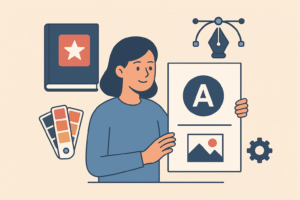 The role of graphic design is not limited to creating logos or advertisements. It extends to designing websites, packaging, business cards, social media graphics, and every other touchpoint where customers interact with a brand. Each design element must align with the overall branding strategy to ensure consistency. For example, if a brand wants to convey luxury, its designs must include refined typography, elegant color palettes, and high-quality visuals that reflect sophistication.
Beyond aesthetics, design also impacts functionality. A well-designed website is not only visually appealing but also user-friendly, guiding visitors through their journey seamlessly. Similarly, packaging design is not just about beauty but also about practicality, safety, and clear communication. Graphic design bridges the gap between brand values and customer expectations, ensuring that the message is delivered effectively and memorably.
Building a Strong Brand Identity through Design
Brand identity is the face of your business. It encompasses every visual and emotional element that represents your company to the outside world. Graphic design serves as the cornerstone of building this identity, ensuring that the look and feel of your brand remain consistent and impactful.
To create a strong brand identity, businesses need to focus on multiple design elements, such as logos, color schemes, fonts, and imagery. Each of these must reflect the brand’s values and personality. A playful brand might use vibrant colors and casual fonts, while a serious corporate brand would opt for muted tones and professional typography. Consistency across all platforms ensures that customers can instantly recognize and trust the brand.
Strong brand identity also extends to intangible elements like tone and style. When design aligns with branding, it creates a cohesive voice that speaks to customers. This identity becomes the foundation of every campaign, every product, and every customer interaction. By integrating thoughtful design into branding efforts, companies can ensure their identity is not only attractive but also authentic and memorable.
The Psychology Behind Branding and Graphic Design
Every successful brand and design strategy has psychology at its core. Human brains process visuals faster than words, which means that colors, shapes, and typography deeply influence how people perceive a brand. This makes branding and graphic design much more than artistic choices—they are psychological tools that determine customer behavior.
Colors, for instance, are not chosen randomly. Each color carries a meaning and triggers specific emotions. Blue often communicates trust and professionalism, while red evokes excitement, urgency, or passion. Similarly, typography influences perception; bold fonts suggest strength and authority, while cursive fonts may represent elegance or creativity. These psychological cues help businesses create designs that connect with their target audiences at a subconscious level.
Understanding psychology also extends to layouts and spacing. A clean, minimal design often communicates modernity and professionalism, while crowded or cluttered visuals may cause confusion. When brands integrate psychological principles into their design, they ensure that every visual element resonates with the intended audience. This connection increases recognition, builds trust, and makes customers more likely to choose one brand over another.
The Relationship Between Storytelling and Design
At the heart of branding lies storytelling. Stories help people relate, remember, and engage with a business on an emotional level. Graphic design provides the visual tools to tell those stories in ways that words alone cannot. Together, branding and graphic design create powerful narratives that leave lasting impressions.
Consider how an eco-friendly brand communicates its story. The brand may use earthy colors, organic shapes, and minimalist typography to convey its values. Every design element becomes part of the narrative, reinforcing the brand’s commitment to sustainability. Similarly, luxury brands often rely on sleek designs, sophisticated imagery, and minimalist packaging to tell stories of exclusivity and refinement.
Storytelling through design is not just about marketing campaigns. It permeates websites, product packaging, social media posts, and advertisements. Customers interpret these visuals as a reflection of the company’s story. By ensuring that designs align with the brand’s larger narrative, businesses create authentic connections that resonate deeply with their audience, making them memorable and trustworthy.
Consistency as the Cornerstone of Branding and Graphic Design
Consistency is one of the most critical principles in branding and graphic design. A brand that presents itself inconsistently risks confusing its audience and weakening its identity. Consistent design ensures that customers recognize and trust a brand wherever they encounter it, whether it’s on a website, product packaging, or social media.
When design elements such as logos, colors, and fonts remain consistent, they build recognition over time. Think of globally recognized brands—their logos and colors are immediately identifiable across different platforms. Consistency also strengthens credibility. Customers associate consistent brands with professionalism and reliability, which builds trust and loyalty.
Consistency also extends to tone, messaging, and style. A professional law firm brand, for example, should not suddenly use playful colors or casual language in its social media designs. This kind of inconsistency can weaken the message. By maintaining a unified approach, businesses ensure that every design element reinforces the brand identity, leading to stronger customer relationships and a lasting presence in the market.
How Branding and Graphic Design Build Trust and Credibility
Trust is the foundation of every successful business, and branding and graphic design play a pivotal role in building it. A poorly designed logo or inconsistent branding can make a company appear unprofessional, while a polished and cohesive identity communicates credibility. Customers are more likely to engage with a business that looks reliable and presents itself with confidence.
Graphic design communicates reliability without words. A clean, professional website assures visitors that the business is legitimate. High-quality packaging signals attention to detail and care. Thoughtful social media graphics show that a brand is invested in presenting itself well. Each design choice contributes to building or damaging trust.
Beyond aesthetics, branding adds credibility by aligning customer expectations with delivery. When businesses maintain consistent messaging and design, they create familiarity. This familiarity builds trust because people tend to favor what they recognize. Over time, trust turns into loyalty, transforming casual buyers into long-term customers who recommend the brand to others.
Digital Branding and Graphic Design in the Online Era
The digital age has transformed how branding and graphic design function. In the past, businesses relied heavily on print media, storefronts, and traditional advertising. Today, websites, social media platforms, and digital advertisements dominate. This shift means that branding and graphic design must be optimized for online visibility and engagement.
 Digital branding focuses on creating visual identities that are consistent across online platforms. A logo must look as clear on a mobile screen as it does on a billboard. Social media graphics must follow a consistent style that customers can immediately identify. Similarly, website design must combine aesthetics with functionality to provide an engaging user experience.
The online world also demands speed and adaptability. Designs need to be responsive, ensuring that they look appealing on every device. Additionally, digital branding integrates with strategies like search engine optimization (SEO) and social media marketing. A well-designed infographic, for instance, can increase engagement while reinforcing brand identity. By embracing digital platforms, businesses ensure their branding remains relevant in the fast-paced online environment.
Print Design and Its Continued Relevance in Branding
Despite the rise of digital media, print design remains a powerful tool in branding. Business cards, brochures, flyers, and packaging still play a vital role in creating memorable impressions. Tangible materials often leave a lasting impact because people can touch, feel, and physically interact with them.
Print design ensures that a brand extends beyond the screen. A well-designed brochure can communicate professionalism during business meetings, while high-quality packaging can influence customer perceptions before they even use the product. These materials reinforce brand identity by ensuring that design elements such as colors, fonts, and logos remain consistent across both physical and digital platforms.
Moreover, print design can complement digital branding. For example, QR codes on printed materials can lead customers to websites or social media pages, creating a seamless transition between offline and online experiences. This integration ensures that the brand remains present across all touchpoints, strengthening identity and creating deeper customer connections.
The Role of Logos in Branding and Graphic Design
A logo is often the first point of contact between a business and its audience. It is not merely a symbol but the embodiment of a company’s identity, values, and vision. In the world of branding and graphic design, the logo functions as the anchor of the entire brand identity, shaping perceptions and setting expectations.
An effective logo is simple, memorable, and versatile. It must work across different mediums, from websites and social media to packaging and print materials. The design should reflect the company’s essence. For example, a tech company may use sharp, modern shapes to convey innovation, while a children’s brand might opt for playful fonts and bright colors to express fun and energy.
Beyond visual appeal, logos carry symbolic meaning. The use of specific colors, shapes, and fonts can evoke emotions and associations in customers. A successful logo becomes timeless, adapting to trends while maintaining its core identity. Businesses that neglect the power of logos often struggle to create lasting impressions. By investing in thoughtful logo design, companies lay the foundation for recognition, credibility, and loyalty.
Typography: Giving Voice to a Brand
Typography is one of the most underrated yet powerful elements of branding and graphic design. The choice of fonts influences how people perceive a brand’s tone, personality, and values. Every letter and typeface conveys a subtle message, and when chosen wisely, typography gives voice to a brand without needing words.
For instance, serif fonts often convey tradition, authority, and professionalism, making them ideal for financial or legal firms. Sans-serif fonts, on the other hand, are modern, clean, and approachable, frequently used by tech companies and startups. Script fonts suggest elegance and creativity, while bold and blocky fonts communicate strength and confidence.
Typography also plays a critical role in readability and user experience. A brand may lose credibility if its text is difficult to read or inconsistent across platforms. Proper spacing, alignment, and hierarchy in text design ensure that messages are clear and visually appealing. By treating typography as a core element rather than an afterthought, brands can strengthen communication, ensure consistency, and build a distinctive visual identity that resonates with audiences.
The Power of Color in Branding and Graphic Design
Colors are not chosen randomly in branding and graphic design. They carry psychological and cultural meanings that influence customer emotions and decisions. A well-thought-out color palette enhances recognition, strengthens brand identity, and communicates values instantly.
For example, blue is often associated with trust, professionalism, and calmness, which is why banks and healthcare companies frequently use it. Red evokes energy, excitement, and passion, making it popular for brands that want to convey urgency or enthusiasm. Green often symbolizes growth, sustainability, and health, while black suggests elegance, luxury, and sophistication.
The power of color extends beyond logos. It influences every touchpoint, from websites and packaging to advertisements and uniforms. When a color palette is consistent, it creates familiarity, allowing customers to recognize the brand instantly. Brands that ignore the psychology of color risk sending mixed signals to their audiences. By strategically using colors, businesses can communicate emotions, create associations, and ensure their branding is both memorable and effective.
Branding and Graphic Design in Social Media Marketing
Social media has become one of the most influential platforms for business communication, and branding and graphic design are at the center of its success. In a fast-paced environment where visuals capture attention within seconds, having consistent and engaging designs is crucial for visibility and engagement.
Social media branding involves designing profile pictures, banners, and posts that reflect the brand’s identity. Cohesive visuals ensure that when people scroll through their feeds, they immediately recognize the brand. Creative use of infographics, motion graphics, and branded templates helps maintain a professional look while keeping the audience engaged.
Moreover, social media is interactive, allowing brands to experiment with trends, colors, and storytelling styles. However, consistency remains vital. A brand that constantly changes its visual identity risks confusing its followers. Instead, maintaining a recognizable style across all posts strengthens brand recognition and builds trust. Graphic design in social media is not only about aesthetics but also about ensuring that every piece of content aligns with the brand’s larger message.
Branding and Graphic Design for Startups
For startups, first impressions are everything. Unlike established businesses, startups often lack recognition and must rely heavily on branding and graphic design to build credibility and attract early customers. An impactful logo, engaging website, and consistent design strategy can set a new business apart from competitors in crowded markets.
 Startups need to define their brand identity early on. This involves understanding their values, mission, and target audience. Graphic design then translates these elements into visuals that reflect professionalism and uniqueness. A startup that neglects branding may struggle to gain trust, no matter how good its product or service is.
Design also helps startups adapt to growth. As businesses expand, their branding must evolve while maintaining consistency. A scalable design strategy ensures that new products, campaigns, and services all align with the original brand identity. For startups, investing in professional branding and graphic design from the beginning is not an expense but an investment in long-term success.
Common Mistakes in Branding and Graphic Design
While many businesses understand the importance of branding and graphic design, mistakes are common and can damage credibility. One of the most frequent errors is inconsistency. When logos, fonts, or colors vary across platforms, customers become confused and lose trust in the brand’s reliability.
Another mistake is prioritizing trends over authenticity. While trendy designs may gain attention temporarily, they often lack timelessness. A brand identity built solely on current design fads may become outdated quickly, forcing frequent rebranding. Similarly, overcrowding designs with too many colors, fonts, or elements can overwhelm audiences instead of clarifying messages.
Neglecting customer perspective is another pitfall. Branding and design must resonate with the target audience, not just reflect the business owner’s preferences. By conducting market research and aligning visuals with customer expectations, brands can avoid disconnects. Businesses that avoid these mistakes and focus on consistency, simplicity, and authenticity build stronger identities and long-lasting customer relationships.
The Future of Branding and Graphic Design
As technology evolves, so does branding and graphic design. The future promises a blend of creativity, interactivity, and personalization. Businesses will increasingly adopt designs that adapt to digital platforms, AI-driven personalization, and immersive experiences like augmented and virtual reality.
Minimalism will continue to dominate, as clean, simple designs communicate clarity and modernity. At the same time, personalization will rise, with brands using data to create tailored designs for different audience segments. Motion graphics, interactive content, and dynamic logos will become more common, allowing brands to engage audiences in innovative ways.
Sustainability will also influence future design choices. Eco-conscious customers expect brands to reflect environmental responsibility, not only in their values but also in their visual identities. Natural colors, sustainable packaging, and designs emphasizing simplicity will resonate strongly with modern audiences. Businesses that embrace these future trends while staying true to their core identities will thrive in the evolving marketplace.
Conclusion: Branding and Graphic Design as Catalysts for Growth
In conclusion, branding and graphic design are not optional elements of business success but essential foundations. From logos and typography to colors and social media visuals, every design choice contributes to building recognition, trust, and loyalty. A strong brand supported by thoughtful design creates stories, connects emotionally, and positions businesses as leaders in their industries.
At Appledew UK, we emphasize the power of creative identity in helping businesses thrive. Whether it’s a startup building its first presence or an established company seeking a refresh, the integration of branding and design drives credibility, growth, and long-term success. By investing in consistent and authentic branding supported by professional design, businesses ensure they are not only remembered but also trusted and admired.
The future will bring new trends, technologies, and opportunities, but the core principle remains unchanged: businesses that prioritize branding and design will always hold an advantage. By combining creativity, psychology, and strategy, branding and graphic design act as catalysts that elevate businesses to new heights, ensuring relevance and recognition in an ever-changing market.