
Introduction to Branding and Graphic Design
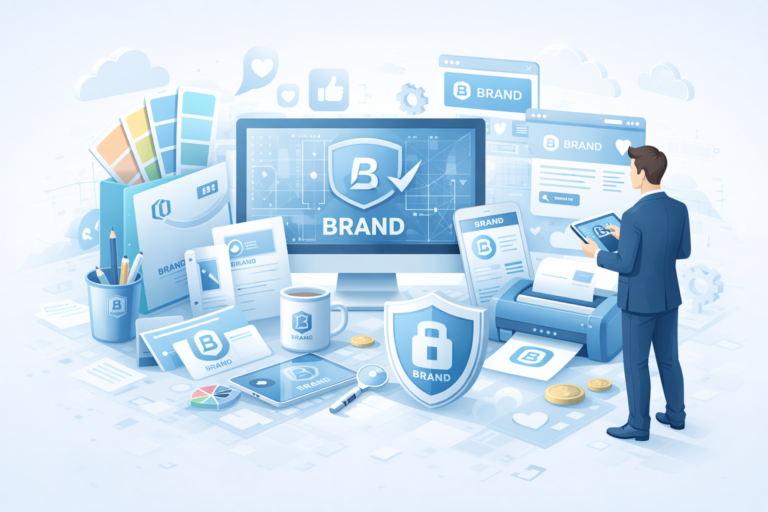
Branding is not just about a logo or a colour palette—it’s the soul of your business. It’s the emotional and psychological connection you create with your audience. Graphic design is the visual language that brings this brand identity to life. Together, they create a powerful storytelling tool that shapes how customers perceive and trust your brand.
In today’s competitive market, UK businesses need more than just attractive visuals. They need consistent brand experiences across all touchpoints—websites, packaging, social media, and even customer service interactions.
Why Branding Matters More Than Ever
In 2025, brand trust is one of the strongest purchase drivers. Customers are spoilt for choice, so they choose brands that feel authentic, consistent, and aligned with their values.
Key benefits of strong branding:
- Customer Loyalty – People stick to brands they connect with emotionally.
Customer loyalty comes from building strong emotional connections with your audience. When people trust and resonate with your brand’s values, personality, and message, they are more likely to stick with you over time, even if competitors offer similar products or services. Loyal customers also tend to become brand advocates, recommending your business to others.
- Premium Pricing Power – Strong brands can charge higher rates.
Premium pricing power is the ability of a strong brand to charge higher rates compared to competitors without losing customers. Well-established brands create a perception of higher value, quality, and trustworthiness, allowing them to maintain profitability while commanding top-tier prices.
- Market Differentiation – Branding sets you apart in a crowded market.
Market differentiation is how effective branding sets your business apart in a crowded marketplace. By clearly communicating your unique value, story, and personality, you make it easier for customers to choose you over competitors who offer similar solutions.
- Easier Marketing – Recognition speeds up conversion rates.
Easier marketing comes from brand recognition. When people are already familiar with your logo, message, or reputation, they require less convincing to take action. This familiarity shortens the customer decision-making process and speeds up conversion rates, making marketing campaigns more effective and cost-efficient.
Example: Apple, Nike, and John Lewis don’t just sell products—they sell experiences and lifestyles.
The Role of Graphic Design in Branding
Graphic design is the visual expression of your brand identity. It includes:
- Logos – Your signature mark.
Logos are your brand’s signature mark — the visual symbol that instantly identifies your business. A well-designed logo is memorable, versatile, and reflects your brand’s personality, helping create a lasting impression in customers’ minds.
- Typography – Fonts that reflect your brand’s personality.
Typography refers to the choice of fonts and how they are used to communicate your brand’s personality. Whether modern and bold, classic and elegant, or playful and casual, typography sets the tone for your brand’s visual voice and ensures consistency across all materials.
- Colour palettes – Colours that evoke specific emotions.
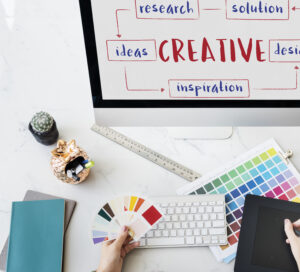 Colour palettes are carefully selected sets of colours that evoke specific emotions and associations. For example, blue can convey trust and professionalism, while red can express energy and urgency. Consistent use of your palette helps reinforce your brand identity and recognition.
- Imagery style – Photography or illustrations that reinforce your tone.
Imagery style includes the type of photography, illustrations, or graphics you use to represent your brand. Whether bright and vibrant or minimal and clean, your imagery should align with your tone and messaging, creating a cohesive visual experience for your audience.
- Layouts – The arrangement of visual elements for clarity and appeal.
Layouts refer to how visual elements are arranged on a page or screen to achieve clarity, balance, and appeal. A well-structured layout guides the viewer’s eye, highlights important information, and ensures your content is both attractive and easy to understand.
Without good design, even the strongest branding ideas can fall flat.
Understanding Brand Identity vs. Brand Image
Brand identity is how you want your business to be perceived. Brand image is how the public actually perceives you.
Brand Identity Elements:
- Name
Name is the foundation of your brand identity — the word or phrase customers will remember and associate with your business. A strong name is memorable, easy to pronounce, relevant to your industry, and aligned with your brand’s personality and values.
- Logo
Logo is the visual symbol that represents your brand, often combining shapes, colours, and typography to create a distinctive mark. It should be versatile, instantly recognizable, and capable of leaving a lasting impression across all platforms and materials.
- Tagline
Tagline is a short, impactful phrase that captures the essence of your brand and what it stands for. A great tagline is clear, memorable, and emotionally engaging, giving customers a quick sense of your purpose or unique selling proposition.
- Visual Style
Visual style encompasses the overall look and feel of your brand, including colour schemes, typography, imagery, and layout choices. Consistency in visual style helps create a cohesive and recognizable presence across your website, social media, advertising, and packaging.
- Messaging
Messaging refers to the way your brand communicates with its audience, including tone of voice, key phrases, and core values. Clear, consistent messaging ensures that everything you say — from marketing materials to customer service responses — reinforces your brand’s identity and builds trust.
Brand Image Influencers:
- Customer experiences
Customer experiences are the overall impressions and feelings people have when interacting with your brand, from their first contact to post-purchase support. Positive, consistent experiences help build trust, encourage repeat business, and turn customers into loyal advocates who recommend your brand to others.
- Social proof
Social proof is the psychological phenomenon where people look to others’ actions and opinions to guide their own decisions. In marketing, this can include testimonials, endorsements, case studies, and user-generated content that demonstrate real people trust and value your brand.
- Online reviews
Online reviews are public customer feedback posted on platforms like Google, Yelp, and Trustpilot. Positive reviews boost your credibility and influence buying decisions, while responding professionally to negative reviews shows that you value customer feedback and are committed to improvement.
- Public relations
Public relations (PR) involves managing your brand’s reputation and building positive relationships with the public, media, and stakeholders. Through press releases, media coverage, partnerships, and community engagement, PR helps increase brand awareness and strengthen credibility.
Your goal? Make sure your brand identity and brand image match.
Building a Brand Strategy
Your brand strategy is your roadmap for building awareness and loyalty.
Steps to build a strong brand strategy:
- Define your mission and vision – What do you stand for?
Defining your mission and vision is about clearly stating what your brand stands for, what you aim to achieve, and the long-term impact you want to make. Your mission communicates your purpose in the present, while your vision paints a picture of the future you’re working toward, guiding your strategies and inspiring both your team and customers.
- Identify your target audience – Who are you serving?
Identifying your target audience means understanding exactly who you are serving — their demographics, preferences, needs, and challenges. This clarity allows you to create products, services, and marketing messages that resonate deeply and solve the problems of your ideal customers.
- Analyse competitors – What gaps can you fill?
Analyzing competitors involves studying other businesses in your industry to identify their strengths, weaknesses, and market positioning. By understanding what they do well and where they fall short, you can spot gaps and opportunities that your brand can fill to stand out.
- Develop your unique value proposition (UVP) – Why choose you?
Developing your unique value proposition (UVP) is about defining the specific benefits and advantages that make your brand different and better than competitors. Your UVP should answer the question, “Why should customers choose you?” in a way that is clear, compelling, and easy to remember.
- Create brand guidelines – Rules for consistent branding.
Creating brand guidelines means establishing a set of rules and standards that ensure consistent branding across all channels. This includes defining your logo usage, colour palette, typography, tone of voice, imagery style, and messaging so that your brand looks and sounds the same everywhere it appears.
The Psychology of Colours and Fonts in Branding
Colour psychology is a powerful tool in branding:
- Blue – Trust, stability (used by banks and tech companies)
Blue represents trust, stability, and professionalism, which is why it’s a popular choice for banks, financial institutions, and tech companies. It creates a sense of security and reliability, reassuring customers that they are dealing with a dependable brand.
- Red – Energy, urgency (used in sales and food branding)
Red conveys energy, urgency, and excitement, making it effective for grabbing attention and encouraging quick decisions. It’s commonly used in sales promotions and food branding because it can stimulate appetite and create a sense of urgency to take action.
- Green – Growth, health (eco-friendly brands)
Green symbolizes growth, health, and harmony, often associated with nature and sustainability. Eco-friendly brands and companies in the health and wellness sector frequently use green to communicate their commitment to the environment and overall well-being.
- Black – Luxury, sophistication
Black signifies luxury, sophistication, and elegance. It’s often used by high-end brands in fashion, cosmetics, and premium products to convey exclusivity, authority, and timeless style.
Font psychology matters too:
- Serif fonts – Tradition, authority
Serif fonts are characterized by small decorative lines or “serifs” at the ends of letters, giving them a classic and formal appearance. They are often associated with tradition, authority, and reliability, making them a popular choice for newspapers, books, and institutions that want to convey a sense of heritage and trust.
- Sans-serif fonts – Modern, clean
Sans-serif fonts have clean, simple letterforms without decorative strokes, giving them a modern, minimalistic, and easy-to-read style. They are commonly used in digital content, branding, and tech companies to project a fresh, approachable, and straightforward image.
- Script fonts – Creativity, elegance
Script fonts mimic the fluid strokes of handwriting or calligraphy, adding a touch of creativity, elegance, and personality to designs. They are often used in invitations, luxury branding, and artistic projects where a sense of sophistication or personal connection is desired.
The Importance of Consistency Across Platforms
Your branding must look and feel the same across:
- Website
A website is the central hub of your brand’s online presence, serving as the primary place where customers can learn about your products or services, explore your content, and make purchases or inquiries. A well-designed website should reflect your brand identity, be user-friendly, and optimized for both desktop and mobile devices.
- Social media
Social media platforms allow you to connect with your audience in real time, share engaging content, and build community. Whether through Facebook, Instagram, LinkedIn, or TikTok, social media helps increase visibility, drive traffic, and foster direct interaction with customers.
- Email campaigns
Email campaigns are a highly effective way to reach your audience directly in their inbox with personalized messages, promotions, updates, or newsletters. They nurture relationships over time, encourage repeat business, and are one of the most cost-efficient marketing channels.
- Print materials
Print materials, such as brochures, business cards, flyers, and posters, provide a tangible way for people to interact with your brand. They are especially valuable in physical events, retail spaces, and networking situations, where high-quality printed designs can leave a lasting impression.
- Advertising
Advertising encompasses both online and offline promotional efforts to increase brand awareness and drive sales. This can include digital ads on Google and social media, as well as traditional methods like billboards, TV, radio, and magazine placements, all tailored to reach your target audience effectively.
Pro tip: Use brand style guides to ensure consistent colours, logos, and typography.
How to Create a Memorable Logo
A logo is the face of your brand—make it unforgettable.
Qualities of a great logo:
- Simplicity – Easy to recognise at a glance.
Simplicity in branding means creating designs, messages, and visuals that are easy to recognize and understand at a glance. A simple brand identity avoids unnecessary complexity, making it more memorable and instantly identifiable to your audience.
- Versatility – Works on all sizes and formats.
Versatility ensures your branding works across all sizes, formats, and mediums — from a tiny social media icon to a massive billboard. A versatile design maintains its clarity and impact whether it’s in color or black and white, printed or digital.
- Relevance – Matches your brand personality.
Relevance is about making sure your branding aligns with your brand’s personality, values, and industry. The design, tone, and style should resonate with your target audience and reflect what your business stands for, so it feels authentic and appropriate.
- Timelessness – Avoid overly trendy designs.
Timelessness focuses on creating a brand identity that will remain effective and appealing for years to come, rather than chasing short-lived design trends. By keeping the core elements classic and adaptable, you reduce the need for frequent rebranding while maintaining consistent recognition.
Storytelling Through Branding and Design
People remember stories, not slogans. Your design and branding should:
- Reflect your origin story.
Reflecting your origin story means weaving the history of how and why your brand began into your identity. Sharing the challenges you overcame, the inspiration behind your business, and the passion that drives you makes your brand more relatable and authentic to your audience.
- Highlight your mission.
 Highlighting your mission involves clearly communicating your brand’s purpose and the positive impact you aim to make. Whether it’s solving a specific problem, improving people’s lives, or contributing to a cause, your mission should be visible in your messaging, products, and customer experience.
- Evoke emotional connections.
Evoking emotional connections is about creating feelings that resonate deeply with your audience — such as trust, excitement, nostalgia, or belonging. Brands that connect emotionally often inspire stronger loyalty, as customers feel personally invested in their story and values.
Example: Innocent Drinks uses playful illustrations and friendly language to tell a story of freshness and fun.
Branding Mistakes to Avoid
- Inconsistent visual elements
Inconsistent visual elements occur when a brand’s colors, fonts, imagery, and design styles are not used uniformly across platforms and materials. This lack of consistency can confuse your audience, weaken brand recognition, and make your business appear less professional.
- Copying competitors
Copying competitors means mimicking the branding style, messaging, or visuals of other businesses in your industry. While competitor research is important, direct imitation makes it harder for your brand to stand out and can damage your credibility.
- Using too many fonts or colours
Using too many fonts or colours can create a cluttered and unprofessional look. Overcomplicating your design with excessive visual elements can overwhelm viewers, reduce readability, and make it harder for them to connect with your brand identity.
- Ignoring audience preferences
Ignoring audience preferences happens when branding decisions are made without considering the tastes, needs, and expectations of your target market. A brand that fails to align with its audience’s values and style risks losing relevance and engagement.
- Neglecting mobile-friendly designs
Neglecting mobile-friendly designs is a common mistake in today’s digital world, where most users browse on smartphones. If your website, emails, or digital content aren’t optimized for mobile devices, you risk frustrating visitors, increasing bounce rates, and missing out on conversions.
Future Trends in Branding and Graphic Design (2025 and Beyond)
- Minimalist designs – Clean, uncluttered visuals.
Minimalist designs focus on clean, uncluttered visuals with only the essential elements, creating a sleek and modern look. This approach enhances clarity, improves brand recognition, and communicates professionalism without overwhelming the audience.
- Bold typography – Words as the main visual.
Bold typography uses striking, oversized, or uniquely styled fonts as the main visual element in branding. By making text the focal point, it creates strong visual impact, ensures the message is immediately understood, and adds personality to the brand.
- Eco-conscious branding – Sustainable materials and messaging.
Eco-conscious branding emphasizes sustainability by using environmentally friendly materials, ethical production practices, and messages that reflect care for the planet. This appeals to eco-aware consumers and strengthens a brand’s reputation for responsibility and transparency.
- Augmented reality (AR) branding – Interactive packaging.
Augmented reality (AR) branding integrates interactive digital elements into physical products, such as packaging that comes to life when scanned with a smartphone. This innovative approach enhances customer engagement and creates memorable brand experiences.
- Personalised brand experiences – Tailored content and visuals.
Personalised brand experiences involve tailoring content, visuals, and interactions to the preferences, behavior, and needs of each customer. By making the brand feel unique to every individual, it boosts customer satisfaction, loyalty, and emotional connection.
Conclusion: Elevating Your Brand in 2025
Branding and graphic design are not expenses—they’re investments in your business’s future. A consistent, visually appealing, and emotionally engaging brand can drive loyalty, increase revenue, and make you stand out in a crowded UK marketplace.
Final advice: Don’t just design for today—design for the brand you want to be in five years.