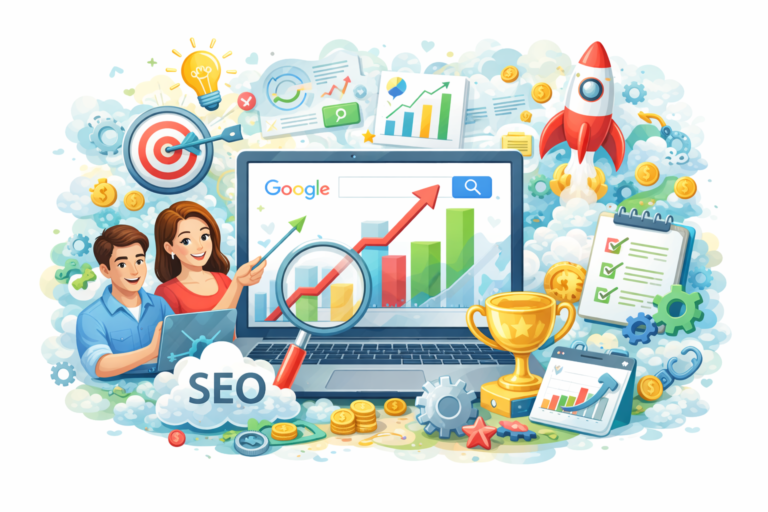

In the ever-evolving digital landscape, website design and development has become more than just a technical necessity — it’s a creative science that defines how businesses connect, communicate, and convert. Every successful online brand today is built upon the foundation of a strong, engaging, and fully functional website. With billions of users browsing the internet daily, a website isn’t just a digital storefront; it’s a brand’s identity, reputation, and most powerful marketing tool combined into one. Whether you’re launching a new startup or managing an established enterprise, mastering the art of website design and development ensures your business stands out, builds trust, and drives measurable results in today’s competitive online environment.
Introduction
At Appledew UK, we understand that a website is more than a collection of pages — it’s the core of your brand’s digital presence. A well-designed and well-developed website reflects your business goals, values, and vision while providing a seamless experience for your audience. The digital world has changed dramatically, and customers now expect fast-loading, mobile-friendly, and visually appealing websites that deliver relevant information instantly. That’s why businesses across the UK and beyond are investing heavily in modern website design and development to ensure they meet these expectations.
A professional website not only enhances visibility but also builds credibility and boosts conversions. From the moment a visitor lands on your homepage, design elements like typography, layout, color scheme, and navigation play an essential role in shaping perceptions. Meanwhile, development ensures everything functions smoothly behind the scenes, from coding and database management to security and performance optimization. Together, design and development form the backbone of digital success.
Understanding the Core of Website Design and Development
To truly appreciate the importance of website design and development, one must understand how both disciplines complement each other. Website design is the aesthetic component — it focuses on visuals, usability, and the overall user experience (UX). It includes the structure, color palette, imagery, and typography that form the brand’s personality. On the other hand, website development is the technical process that brings those visuals to life through code, frameworks, and software integrations.
Modern website creation involves two types of development — front-end and back-end. The front-end handles the user interface — what people see and interact with — using languages like HTML, CSS, and JavaScript. The back-end, meanwhile, powers the logic and databases that store, retrieve, and deliver information. Both need to work in harmony for a site to function seamlessly.
The relationship between design and development is much like that between form and function. A beautifully designed website is useless if it’s slow or broken, while a highly functional site can fail if it lacks visual appeal or intuitive navigation. Therefore, achieving balance is key — where creativity meets code and aesthetics blend with performance to create exceptional digital experiences.
The Evolution of Website Design — From Static Pages to Interactive Experiences
In the early days of the internet, websites were basic and text-heavy, often using minimal images and rigid layouts. They were static, meaning every page was hand-coded and remained unchanged until manually updated. However, as technology progressed, so did user expectations. Businesses soon realized the need for dynamic, visually appealing, and interactive sites that could engage visitors and keep them coming back.
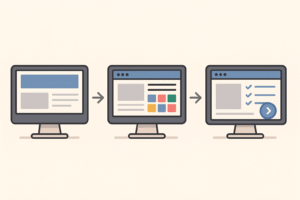 This shift marked the birth of modern website design and development. The introduction of CSS revolutionized layout control, allowing designers to separate content from style. Later, technologies like JavaScript, PHP, and MySQL enabled interactivity and database-driven content. Today, the web has evolved even further with responsive design, ensuring websites adapt perfectly to any screen size — from desktops to smartphones.
Moreover, the rise of Content Management Systems (CMS) such as WordPress, Joomla, and Drupal has made it easier for businesses to maintain their sites without extensive technical knowledge. Advanced frameworks like React, Angular, and Vue.js have also enhanced the speed and performance of websites, offering users smooth, app-like experiences. The evolution of design tools like Figma, Adobe XD, and Sketch has made collaboration between designers and developers more fluid, ensuring creativity and code stay aligned.
The result? Websites are no longer digital brochures — they’re immersive experiences designed to educate, engage, and convert. Businesses that stay ahead in adopting the latest web technologies not only attract attention but also build long-term digital authority.
The Importance of Responsive and Mobile-Friendly Design
In today’s mobile-driven era, over 60% of all internet traffic comes from smartphones and tablets. This makes responsive design — the ability of a website to automatically adjust its layout and functionality across different screen sizes — absolutely essential. Google’s algorithm now prioritizes mobile-friendly websites, meaning that without responsiveness, your online visibility could take a serious hit.
A responsive website ensures that users enjoy a consistent experience regardless of device. Whether they’re browsing from a 6-inch phone or a 27-inch monitor, your content should look appealing and function smoothly. Beyond aesthetics, responsiveness improves usability by minimizing zooming, panning, or scrolling — making navigation effortless.
From a business perspective, responsive design translates directly into higher engagement and conversions. Users who find your site easy to use are more likely to stay longer, explore products, and ultimately make purchases or inquiries. Additionally, responsive websites require only one URL and codebase, simplifying SEO efforts and website management.
Incorporating mobile-first design principles — where layouts are built for small screens first, then expanded for larger ones — is now the standard practice among top website design and development companies. This approach ensures that performance, loading speed, and visuals remain optimized for every user, no matter their device or connection speed.
User Experience (UX) Design — Creating Seamless Interactions
One of the most critical aspects of website design and development is User Experience, or UX design. UX focuses on understanding your users’ needs, behaviors, and preferences to create websites that are not only visually appealing but also intuitive and enjoyable to navigate. A well-crafted UX transforms casual visitors into loyal customers by reducing friction and improving overall satisfaction.
UX design involves a combination of research, planning, and iterative testing. It starts with understanding your target audience — who they are, what they want, and how they interact with digital content. Designers then map out user journeys, determining the most logical flow from landing pages to product pages, forms, and checkout processes. The goal is to minimize confusion, enhance clarity, and guide users naturally toward conversion points.
Key UX elements include navigation, page layout, accessibility, load speed, and content hierarchy. For example, a cluttered homepage with unclear calls-to-action can frustrate users and increase bounce rates, while a clean, structured layout makes information easy to digest. Additionally, accessibility is crucial — websites should be usable by people with disabilities, such as those relying on screen readers or keyboard navigation.
Modern UX also integrates micro-interactions — subtle animations, hover effects, and feedback mechanisms that delight users while providing useful cues. These interactions, although small, contribute significantly to engagement and retention. Ultimately, successful UX design creates websites that feel effortless, functional, and memorable, directly boosting your brand’s credibility and conversion rates.
User Interface (UI) Design — Bridging Aesthetics with Functionality
While UX focuses on usability and flow, User Interface (UI) design emphasizes the visual elements and interactivity of a website. UI design is responsible for the look and feel of your website — including buttons, menus, typography, color schemes, and visual hierarchy. A compelling UI ensures that users not only navigate your website effectively but also enjoy doing so.
UI designers work closely with developers to ensure that design elements are implemented correctly, maintaining both consistency and accessibility. Color theory, typography, spacing, and imagery all play a crucial role in conveying brand identity and guiding user attention. For example, contrasting colors for calls-to-action can significantly improve click-through rates, while clean fonts enhance readability across devices.
In modern website design and development, UI also encompasses responsive and adaptive elements, ensuring that every button, form, and icon works perfectly on mobile, tablet, and desktop devices. Tools like Figma, Adobe XD, and Sketch allow designers to prototype and test UI elements before development, reducing errors and improving efficiency.
Moreover, UI design is closely tied to brand storytelling. Every visual element communicates your company’s personality and values, creating an emotional connection with visitors. Websites with thoughtfully crafted UI designs are more memorable, trusted, and likely to convert visitors into long-term customers.
The Role of Web Development Frameworks and Technologies
Behind every beautiful website lies robust web development technology. Developers use frameworks, programming languages, and tools to build scalable, secure, and high-performing websites. The choice of technology depends on project requirements, complexity, and long-term maintenance needs.
Front-end frameworks like React, Angular, and Vue.js enable developers to create dynamic, interactive interfaces that respond instantly to user actions. These frameworks reduce development time, improve performance, and simplify updates. Meanwhile, back-end frameworks such as Laravel, Django, and Node.js handle server-side operations, database interactions, and security protocols.
Content Management Systems (CMS) like WordPress, Drupal, and Joomla empower businesses to manage website content without extensive coding knowledge. They also offer plugin ecosystems for additional functionalities such as SEO optimization, e-commerce integration, and social media connectivity.
Additionally, web developers prioritize website performance, security, and scalability. Techniques like caching, lazy loading, and database optimization ensure fast load times, while security protocols like SSL certificates, secure authentication, and regular updates protect against vulnerabilities. Scalability ensures that your website can handle growing traffic and additional features without performance degradation.
Ultimately, the right combination of design, development frameworks, and technologies ensures that your website not only looks great but functions flawlessly, providing users with an engaging, secure, and reliable experience.
Importance of SEO in Website Design and Development
Search Engine Optimization (SEO) is an essential element often integrated into website design and development from the outset. A visually stunning and technically sound website is ineffective if users cannot find it on search engines like Google. SEO ensures that your website ranks higher in search results, attracting organic traffic and qualified leads.
Key SEO considerations include site architecture, mobile responsiveness, fast load times, secure connections (HTTPS), and optimized meta tags. Additionally, proper use of heading tags (H1–H6), alt text for images, and structured data enhance search engine visibility. Developers and designers must collaborate closely to ensure that the website’s aesthetic and functional elements do not hinder SEO performance.
Content strategy also plays a significant role. High-quality, keyword-optimized content informs, engages, and converts visitors while signaling relevance to search engines. Internal linking, blog posts, and landing pages help establish authority and improve crawlability.
Furthermore, modern SEO is increasingly user-focused. Search engines prioritize websites that provide a positive user experience — fast, accessible, and mobile-friendly sites with engaging content are more likely to rank well. Integrating SEO best practices into design and development from the beginning ensures long-term success and maximizes your digital investment.
Custom Website Development — Tailoring Solutions to Your Business Needs
Every business has unique goals, audiences, and workflows, which is why custom website development is increasingly preferred over off-the-shelf templates. Unlike pre-built themes, custom development allows designers and developers to craft a website that perfectly aligns with a brand’s identity and functional requirements.
Custom websites provide flexibility in design, functionality, and scalability. For example, e-commerce stores may require custom product filters, payment gateways, and inventory management systems, while corporate websites may need interactive dashboards, client portals, or specialized forms. By building a website from scratch, developers ensure that every feature meets the exact specifications of the business, delivering a unique and optimized user experience.
Custom development also supports long-term scalability. Businesses can add new features, integrations, or design updates without being constrained by pre-made templates. This approach guarantees better performance, faster load times, and improved security because developers can eliminate unnecessary code and vulnerabilities.
Moreover, a custom-built website enhances brand credibility. Users perceive tailor-made designs as more professional, trustworthy, and reliable. When combined with strong UX, UI, and SEO practices, custom websites not only attract visitors but also convert them into loyal customers. In today’s competitive digital landscape, custom website development is no longer a luxury — it’s a strategic investment that drives business growth.
E-Commerce Website Design and Development
The digital marketplace has exploded over the past decade, making e-commerce website design and development a critical component of business success. A well-designed e-commerce website combines aesthetics, usability, and functionality to provide customers with a seamless online shopping experience.
 Key features include intuitive product navigation, clear calls-to-action, fast load times, secure payment gateways, and responsive layouts. Developers integrate e-commerce platforms such as WooCommerce, Shopify, or Magento to create websites that handle inventory, process transactions, and manage customer data efficiently.
Design elements are equally important. Product pages must display images, descriptions, and reviews clearly, while the checkout process should be simple and intuitive. Micro-interactions, such as hover effects and dynamic feedback, enhance user engagement and reduce cart abandonment rates.
E-commerce development also requires strong backend support, including database management, security protocols, and analytics integration. Tracking user behavior, sales trends, and conversion rates helps businesses make informed decisions and refine marketing strategies.
For businesses aiming to compete online, investing in professional e-commerce website design and development ensures that the website not only attracts visitors but also converts them into satisfied, returning customers. By delivering both aesthetic appeal and functional excellence, e-commerce websites drive revenue and strengthen brand loyalty.
Website Maintenance and Updates — Ensuring Long-Term Success
A website is never truly finished after launch. Ongoing website maintenance and updates are essential to keep it secure, functional, and relevant. Regular maintenance prevents technical issues, improves performance, and protects against security threats.
Maintenance includes updating software, plugins, and CMS platforms, optimizing database performance, fixing broken links, and monitoring website speed. Security patches and backups ensure that your website remains protected against hacking, malware, and data loss. Regular updates also enhance user experience by ensuring that features and content remain fresh, functional, and aligned with current standards.
Without consistent maintenance, even the most well-designed website can experience downtime, slow load times, or security breaches, negatively impacting user experience and search engine rankings. For businesses that rely on their website for customer acquisition and sales, neglecting maintenance can lead to lost revenue and diminished credibility.
Professional website development companies provide maintenance plans that include performance monitoring, bug fixes, content updates, and security audits. This ongoing support ensures that your website remains a reliable, high-performing digital asset, capable of adapting to evolving business needs and user expectations.
Importance of Website Speed and Performance Optimization
In the digital age, speed is more than a convenience — it’s a necessity. Studies show that even a one-second delay in load time can result in significant drops in user engagement and conversions. That’s why website speed and performance optimization is a crucial aspect of website design and development.
Optimizing a website involves multiple strategies, including image compression, caching, minimizing code, and leveraging content delivery networks (CDNs). Developers also focus on efficient server configuration and database optimization to reduce page load times and improve overall responsiveness.
Fast-loading websites enhance user experience, improve SEO rankings, and increase conversion rates. Search engines like Google prioritize websites that provide quick and seamless experiences, meaning performance directly affects visibility. Slow websites, on the other hand, frustrate users, increase bounce rates, and negatively impact brand perception.
Performance optimization also includes mobile-specific considerations. With the majority of users accessing websites on mobile devices, it’s critical to ensure that images, scripts, and layouts are optimized for smaller screens and varying network speeds. By combining technical expertise with design best practices, businesses can create websites that are not only visually stunning but also lightning-fast and highly functional.
Integration of Modern Web Technologies
Modern website design and development is powered by a wide range of technologies that enhance functionality, interactivity, and user experience. From advanced coding languages to dynamic frameworks, these technologies allow developers to create websites that are not only visually appealing but also highly functional and future-ready.
Front-end technologies such as HTML5, CSS3, and JavaScript enable the creation of interactive interfaces, animations, and responsive layouts. Frameworks like React, Angular, and Vue.js accelerate development, enhance performance, and ensure scalability. On the back-end, tools like Node.js, Django, and Laravel manage databases, server-side logic, and secure data handling.
Modern websites also integrate third-party tools and APIs to expand functionality. Examples include payment gateways, social media integration, live chat, and CRM platforms. These integrations improve user experience, automate business processes, and enable more personalized digital interactions.
Moreover, the rise of progressive web apps (PWAs) and single-page applications (SPAs) has revolutionized how users interact with websites. These technologies offer app-like experiences directly in the browser, providing faster load times, offline accessibility, and smooth transitions, creating a more engaging and seamless user journey.
Businesses that leverage modern web technologies not only stay ahead of competitors but also deliver superior experiences that meet evolving user expectations. This combination of design, development, and technological integration ensures websites are visually stunning, highly functional, and ready for the future.
Security Measures in Website Development
Website security is a critical element in website design and development. With cyber threats becoming increasingly sophisticated, protecting user data and maintaining trust is essential for every business. Security breaches can damage a company’s reputation, result in financial losses, and negatively impact search engine rankings.
Key security measures include SSL certificates, which encrypt data between the user’s browser and the server, ensuring secure communication. Regular updates and patches for CMS, plugins, and frameworks prevent vulnerabilities that hackers could exploit. Strong authentication, including multi-factor authentication, protects user accounts and sensitive administrative areas.
Developers also implement firewalls, malware scanning, and intrusion detection systems to prevent attacks and quickly respond to potential threats. Regular backups are essential to ensure data can be restored in case of an incident. Security best practices also involve limiting access privileges, monitoring traffic for anomalies, and enforcing secure coding practices.
Incorporating robust security from the start of website development ensures a safer experience for both the business and its users. A secure website enhances credibility, builds customer trust, and supports long-term digital growth, making it a non-negotiable aspect of professional web development.
The Role of Content Strategy in Web Development
A successful website is more than just design and functionality; it’s also powered by a strong content strategy. Content informs, engages, and converts visitors while reinforcing your brand identity. During website design and development, content placement, hierarchy, and presentation are carefully considered to enhance usability and SEO.
High-quality content includes well-crafted text, engaging visuals, infographics, videos, and interactive elements. Each piece should address the user’s intent, provide value, and align with the website’s goals. Developers and designers collaborate with content strategists to ensure that information is accessible, visually appealing, and optimized for search engines.
SEO-optimized content improves visibility, attracting organic traffic from search engines. Structured content with proper headings, meta descriptions, alt texts, and keyword placement ensures the website is easy to navigate and index. Additionally, regular content updates keep the website relevant, encourage return visits, and support marketing campaigns.
A comprehensive content strategy is therefore integral to website design and development, bridging the gap between technical excellence and meaningful user engagement. It ensures that visitors not only arrive at your website but stay, interact, and convert into loyal customers.
Accessibility and Inclusive Design
Inclusive and accessible websites ensure that every user, regardless of ability, can navigate and interact with your digital platform. Accessibility in website design is not just a legal requirement in many regions; it’s also a reflection of a brand’s commitment to inclusivity and user-centered design.
Accessibility features include text alternatives for images (alt text), keyboard navigability, screen reader compatibility, adjustable font sizes, and color contrast considerations. Websites that adhere to WCAG (Web Content Accessibility Guidelines) ensure that users with visual, auditory, or cognitive impairments can access content effectively.
Beyond compliance, inclusive design benefits all users. Clear navigation, readable fonts, and intuitive layouts improve overall usability and reduce frustration for everyone, not just those with disabilities. It also broadens your audience, enhances brand reputation, and positively impacts SEO rankings.
Incorporating accessibility during website design and development requires collaboration between designers, developers, and content creators. By prioritizing inclusivity, businesses create digital experiences that are universally accessible, demonstrating social responsibility while expanding their market reach.
Analytics and Performance Tracking
One of the most overlooked aspects of website design and development is ongoing analytics and performance tracking. Without measuring how users interact with your site, it’s impossible to understand what’s working, what needs improvement, and how to optimize for conversions.
Tools such as Google Analytics, Hotjar, and SEMrush provide insights into user behavior, page performance, traffic sources, and conversion paths. By analyzing metrics like bounce rate, average session duration, and click-through rates, businesses can identify strengths and weaknesses in their digital strategy.
Performance tracking also informs content strategy and design improvements. For instance, if a particular landing page has a high exit rate, designers and developers can adjust the layout, calls-to-action, or load times to better meet user needs. Similarly, SEO-focused metrics help refine keyword strategies, internal linking, and content hierarchy.
Integrating analytics into website development ensures that the site remains dynamic and adaptable. Businesses can make data-driven decisions, improve ROI, and create a continuously improving user experience. Ultimately, tracking performance transforms a static website into a living digital asset that grows with your business.
The Future of Website Design and Development
The future of website design and development is driven by emerging technologies, evolving user expectations, and the continuous push for innovation. Artificial Intelligence (AI), Machine Learning (ML), and automation are already changing how websites are designed, personalized, and maintained.
 AI-powered tools can automate layout adjustments, personalize content for individual users, and even generate code for complex functionalities. Voice search, augmented reality (AR), and virtual reality (VR) are influencing how users interact with websites, creating immersive and interactive experiences.
Sustainability and green web development are also becoming priorities. Businesses are seeking energy-efficient hosting, optimized coding, and eco-friendly design practices to reduce environmental impact. Progressive web apps (PWAs) and mobile-first approaches will continue to dominate as user behavior shifts toward mobile and instant-access experiences.
Design trends will increasingly emphasize minimalism, accessibility, and micro-interactions, while development trends focus on security, scalability, and performance optimization. Businesses that stay ahead of these trends and invest in innovative web solutions will maintain a competitive edge and provide users with engaging, future-ready digital experiences.
Choosing the Right Web Design and Development Partner
Selecting the right partner for website design and development can make the difference between a functional website and a digital powerhouse. A professional web development company offers expertise across UX/UI design, development frameworks, SEO, content strategy, security, and performance optimization.
When evaluating potential partners, businesses should consider portfolio quality, client testimonials, technical skills, and ongoing support capabilities. Effective communication and collaboration are also essential, as the best results emerge when designers, developers, and clients work closely throughout the project.
A reliable partner ensures that your website aligns with business goals, reflects your brand identity, and provides a seamless experience for your audience. They also offer post-launch support, maintenance plans, and analytics guidance, ensuring your website evolves alongside your business. Choosing the right team guarantees not just a website, but a strategic digital asset that drives growth, engagement, and long-term success.
Conclusion
In today’s competitive digital landscape, mastering website design and development is essential for businesses seeking to create impactful online presences. From UX/UI design and responsive layouts to custom development, e-commerce solutions, SEO, and security, every element contributes to building a website that not only looks impressive but also performs exceptionally.
At Appledew UK, we specialize in delivering comprehensive website design and development solutions that combine creativity, functionality, and technical expertise. By integrating modern technologies, prioritizing user experience, and focusing on performance, we help businesses stand out online, engage their audience, and achieve measurable results. A professional website is more than a digital asset — it’s the cornerstone of your brand’s online success.