
Paid Advertising (Google Ads, Facebook Ads): The Future of Digital Marketing Success is not just a passing trend; it has become the backbone of how businesses grow, connect with audiences, and achieve measurable results in today’s digital-first world. As brands compete for attention in an oversaturated online space, the ability to strategically invest in platforms like Google Ads and Facebook Ads creates unparalleled opportunities to reach the right customers at the right time. By leveraging targeted ad campaigns, businesses can transform awareness into action, scale their visibility globally, and track performance with precision. This blog post explores in detail why paid advertising is the foundation of future digital marketing success and how it empowers businesses to achieve long-term growth.
Introduction
In the rapidly evolving world of digital marketing, Paid Advertising (Google Ads, Facebook Ads): The Future of Digital Marketing Success has emerged as the driving force behind business growth and customer engagement. Unlike traditional marketing methods, these digital platforms provide targeted, measurable, and scalable solutions to reach audiences in real time. From small startups to global enterprises, businesses are embracing Google Ads and Facebook Ads to maximize conversions, improve brand awareness, and outpace competitors. At Appledew UK, we believe that businesses that invest wisely in paid advertising not only secure instant results but also position themselves for long-term digital dominance. This blog post takes a deep dive into why paid advertising represents the future of marketing success and how companies can use it strategically to achieve their goals.
The Evolution of Digital Marketing Through Paid Advertising
The journey of digital marketing has been nothing short of revolutionary, and at the heart of this transformation lies paid advertising. In the early days of the internet, businesses relied heavily on banner ads and simple placements to capture user attention. These methods were broad and untargeted, often leading to wasted budgets and poor conversion rates. As search engines like Google developed, the concept of keyword-driven advertising introduced a new era where brands could directly align their offerings with what users were actively searching for. This evolution marked the beginning of Google Ads, a platform that empowered businesses to connect with audiences based on intent rather than guesswork.
Paid advertising soon expanded into social media, with platforms like Facebook introducing advanced targeting features that were unparalleled at the time. Instead of relying only on keywords, Facebook Ads allowed businesses to reach users based on demographics, interests, and behaviors. This precision targeting shifted the landscape of digital marketing, enabling brands to communicate directly with niche audiences and drive engagement like never before. Unlike traditional billboards or television ads, digital paid advertising became measurable, providing insights into clicks, impressions, and conversions that allowed companies to refine campaigns with accuracy.
The evolution also highlighted the importance of customer experience. Users no longer wanted to be bombarded with irrelevant ads. Instead, they expected tailored experiences, relevant messaging, and valuable offers. Platforms responded by integrating AI and machine learning into their advertising tools, helping businesses automatically optimize campaigns in real-time. Today, businesses are not only running ads but crafting personalized journeys that lead prospects from awareness to purchase with minimal friction.
What makes paid advertising central to the evolution of digital marketing is its ability to adapt. As consumer habits change, platforms continuously innovate, ensuring that businesses can meet their audiences wherever they are—whether on desktops, mobile devices, or apps. This ongoing adaptability positions paid advertising as more than just a marketing strategy; it is a catalyst that has shaped and continues to shape the very foundation of digital marketing. The ability to measure, analyze, and scale campaigns ensures that paid advertising remains at the core of digital marketing success both now and in the future.
Why Google Ads Remains a Cornerstone of Paid Advertising
Google Ads, formerly known as Google AdWords, remains the undisputed cornerstone of paid advertising because it capitalizes on user intent in a way that no other platform has been able to match. Every day, billions of searches take place on Google, and behind those searches lie people actively seeking products, services, and solutions. This intent-driven traffic is what makes Google Ads so powerful. Unlike social media ads, which often rely on interrupting users with content they may not be looking for, Google Ads reaches customers at the precise moment they express interest. This makes it one of the most cost-effective and high-converting tools in the digital marketer’s toolkit.
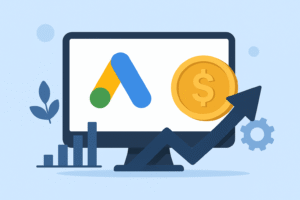 One of the major advantages of Google Ads is its scalability. Whether a small local business wants to attract nearby customers or a global company wants to dominate international markets, Google Ads provides tools to meet every objective. Campaigns can be highly specific, targeting particular keywords, geographic regions, or even user devices. Advertisers can set budgets that suit their needs, ensuring that businesses of all sizes can compete effectively. This democratization of advertising means that even small players have a chance to reach their audiences without being overshadowed by larger corporations.
Furthermore, Google Ads provides unmatched data insights. Marketers can see exactly which keywords are driving clicks, how much they are spending per acquisition, and what their return on investment looks like. This level of transparency ensures that advertising decisions are data-driven rather than speculative. Over time, businesses can refine their campaigns by eliminating underperforming keywords, improving ad quality, and optimizing landing pages. These refinements not only reduce costs but also enhance the overall effectiveness of campaigns.
Another factor that keeps Google Ads at the forefront is its integration with other tools. Through Google Analytics, businesses can gain a deeper understanding of customer behavior after they click an ad. This seamless ecosystem of tools allows for more holistic marketing strategies where data from ads can inform broader business decisions. As AI and automation become more advanced, Google Ads continues to evolve, offering features such as smart bidding and responsive ads that adjust dynamically for maximum performance.
Ultimately, Google Ads remains a cornerstone of paid advertising because it combines precision, scalability, and measurable results. It continues to deliver high-value traffic to businesses and serves as a foundation for digital marketing strategies worldwide. For any brand looking to achieve digital marketing success, Google Ads is not just an option—it is a necessity.
The Role of Facebook Ads in Building Engaged Communities
Facebook Ads have transformed the way brands connect with their audiences by focusing not only on conversions but also on engagement and community building. Unlike search-based platforms such as Google, where users enter queries to find solutions, Facebook operates on a discovery model. This means that ads are delivered to users based on their interests, behaviors, and demographics—even if they are not actively searching for a product. The result is a powerful system that allows businesses to introduce their products and services to people who are likely to resonate with their brand.
What makes Facebook Ads especially unique is the ability to create highly segmented campaigns. Advertisers can target users by age, location, gender, education level, job role, hobbies, purchase behavior, and even life events such as moving to a new city or getting married. This micro-targeting capability enables brands to craft personalized messages that feel relevant and timely. As a result, instead of appearing intrusive, ads can feel like part of the user’s natural experience, fostering trust and interest.
Beyond targeting, Facebook Ads are instrumental in creating engaged communities. Businesses can drive users to like their pages, join groups, or interact with posts. This builds long-term relationships rather than one-off sales. For example, an e-commerce brand selling fitness products might run an ad campaign encouraging users to join a fitness community group. Once users are part of the group, the brand can continuously share valuable content, exclusive deals, and product recommendations, keeping members engaged and loyal.
Facebook Ads also excel in visual storytelling. With a variety of ad formats, such as carousel ads, video ads, and collection ads, businesses can showcase their products in engaging ways. These visual formats not only capture attention but also encourage interaction. In fact, video ads on Facebook often lead to higher engagement rates because they combine storytelling with emotion, driving deeper connections with audiences.
Perhaps one of the most valuable aspects of Facebook Ads is retargeting. By placing a tracking pixel on their websites, businesses can re-engage users who previously visited their site but didn’t convert. This allows for consistent nurturing of leads until they are ready to make a purchase. Combined with community-focused campaigns, retargeting ensures that businesses maintain visibility in a competitive online space.
In summary, Facebook Ads go beyond generating clicks; they build engaged communities that can fuel long-term brand loyalty. By focusing on targeted personalization, visual storytelling, and ongoing community engagement, businesses can use Facebook Ads not only to sell but to cultivate lasting customer relationships.
Understanding the Power of Targeted Campaigns
The effectiveness of paid advertising lies in its ability to target the right audience with precision. Unlike traditional marketing methods such as TV or print ads, which cast a wide net in hopes of catching potential customers, targeted campaigns focus exclusively on the audiences most likely to convert. This ability to tailor campaigns has made platforms like Google Ads and Facebook Ads indispensable for businesses looking to maximize their return on investment.
Targeted campaigns begin with a deep understanding of the customer profile. Businesses can analyze demographics such as age, gender, and income level, but they can also go further by considering psychographics like interests, behaviors, and lifestyle choices. For example, a travel agency can target ads to users who have recently searched for vacation spots, visited airline websites, or engaged with travel-related content on social media. This level of specificity ensures that advertising budgets are not wasted on audiences who are unlikely to take action.
What makes targeted campaigns powerful is the customization of messaging. Instead of delivering a generic ad to everyone, businesses can segment audiences and design unique creatives for each group. For instance, the same clothing brand can create one ad for younger audiences highlighting fashion trends and another for older demographics focusing on comfort and durability. By aligning the message with the audience’s needs, targeted campaigns significantly improve conversion rates.
In addition to personalization, targeted campaigns also allow for geographic and time-based adjustments. Local businesses can advertise only to nearby customers, while global brands can schedule ads to appear at specific times in different regions. This level of control ensures that ads are shown when and where they are most impactful.
Moreover, targeted campaigns produce valuable insights that help businesses continuously refine their strategies. By analyzing engagement rates, click-throughs, and conversion data, marketers can identify which audience segments respond best and which require adjustment. This iterative process ensures that campaigns grow more efficient over time, reducing costs while increasing effectiveness.
In essence, the power of targeted campaigns lies in their precision, personalization, and adaptability. They eliminate guesswork and replace it with data-driven strategies that connect businesses with the right customers at the right time. For modern digital marketing, targeted campaigns are not just a feature—they are the cornerstone of achieving consistent and measurable success.
Paid Advertising Versus Organic Reach: Which is More Effective?
The debate between paid advertising and organic reach has been ongoing for years, and while both approaches play important roles in digital marketing, the effectiveness of each depends on specific business goals. Organic reach refers to the visibility that businesses gain without paying for ads, such as through blog posts, SEO strategies, and social media engagement. Paid advertising, on the other hand, involves allocating budgets to platforms like Google Ads and Facebook Ads to promote content directly to targeted audiences.
Organic reach is often praised for its authenticity and long-term value. Content that ranks well on search engines through SEO can drive consistent traffic for years without continuous investment. Similarly, strong engagement on social media can help brands build loyal communities. However, achieving meaningful organic visibility has become increasingly difficult. Search engine algorithms are more competitive, and social media platforms have reduced the reach of unpaid posts to encourage ad spending. This means businesses often struggle to gain traction without supplementing their efforts with paid campaigns.
Paid advertising provides an immediate boost by delivering content directly to the desired audience. Unlike organic strategies that require months of optimization and waiting for results, paid ads deliver clicks, impressions, and conversions almost instantly. This speed makes paid advertising especially effective for product launches, limited-time offers, or new businesses trying to establish their presence. Furthermore, paid campaigns provide detailed analytics that help businesses measure performance, optimize strategies, and prove ROI.
It’s important to note that paid advertising and organic reach should not be viewed as competitors but as complementary forces. Paid ads can drive quick results while organic efforts build long-term authority and trust. For example, a business running a Google Ads campaign to promote a new service can also publish blog content optimized for search engines, ensuring that visibility continues even after the ad spend ends. Similarly, Facebook Ads can be used to grow an audience, which can then engage with ongoing organic posts.
In essence, while organic reach lays the foundation for credibility and brand authority, paid advertising provides the fuel for rapid growth and visibility. The most effective digital marketing strategies leverage both, creating a balance between sustained organic efforts and targeted paid campaigns to achieve comprehensive success.
The Science of Ad Spend Optimization
Maximizing the value of every advertising dollar is one of the greatest challenges in digital marketing, and this is where the science of ad spend optimization comes into play. Businesses that run paid advertising campaigns without proper budgeting and monitoring often find themselves wasting money on unqualified clicks or underperforming ads. Optimization ensures that ad budgets are allocated effectively, campaigns are continuously refined, and results are maximized.
Ad spend optimization begins with clear goal-setting. Businesses must decide whether the primary objective is brand awareness, lead generation, website traffic, or conversions. Each goal requires a different bidding strategy and campaign setup. For example, if the focus is on conversions, Google Ads offers automated bidding strategies like Target CPA (Cost Per Acquisition), which adjusts bids to maximize conversions within a specific budget. Similarly, Facebook Ads uses algorithms that optimize delivery based on desired outcomes, such as website purchases or app downloads.
Another critical component of optimization is audience segmentation. Instead of targeting broad demographics, businesses can split audiences into smaller groups and tailor ads accordingly. This not only improves engagement but also reduces wasted spend by ensuring that ads are only shown to relevant users. A/B testing is another essential tool in optimization. By running multiple variations of an ad—changing headlines, visuals, or calls-to-action—businesses can identify which combinations perform best and focus their budgets on winning ads.
Monitoring performance metrics plays a crucial role in ongoing optimization. Metrics such as click-through rate (CTR), cost per click (CPC), conversion rate, and return on ad spend (ROAS) provide insights into how effectively campaigns are performing. Advertisers can adjust bidding strategies, pause underperforming ads, or reallocate budgets based on these insights. Continuous optimization ensures that campaigns not only deliver results but do so cost-effectively.
Ultimately, the science of ad spend optimization is about striking a balance between experimentation and data-driven decision-making. By setting clear goals, segmenting audiences, testing strategies, and monitoring performance, businesses can ensure that every advertising dollar is spent with purpose. In an increasingly competitive landscape, ad spend optimization is no longer optional; it is the foundation of sustainable paid advertising success.
Data-Driven Insights: How Analytics Shape Paid Campaigns
Analytics are the backbone of successful paid advertising campaigns, providing businesses with the insights needed to make informed decisions. In the past, marketers often relied on assumptions or limited data to guide their strategies, which resulted in unpredictable outcomes. Today, platforms like Google Ads and Facebook Ads provide robust analytics dashboards that track every click, impression, and conversion, empowering businesses to optimize campaigns with precision.
One of the key advantages of analytics is the ability to measure performance in real time. Businesses can instantly see which ads are generating the most clicks, which keywords are driving conversions, and which audiences are engaging most actively. This immediate feedback loop allows marketers to adjust campaigns on the fly rather than waiting weeks or months to analyze results. By acting quickly, businesses can minimize wasted spend and maximize ROI.
Analytics also reveal deeper insights into customer behavior. For example, Google Analytics can track how users interact with a website after clicking on an ad. Do they bounce immediately, explore multiple pages, or complete a purchase? Understanding these behaviors helps businesses identify strengths and weaknesses in the customer journey. On social media platforms, analytics highlight which ad formats, such as videos or carousel ads, generate the highest engagement, allowing businesses to focus on formats that resonate with their audiences.
Segmentation is another powerful aspect of data-driven insights. By analyzing performance across different demographics, businesses can see which groups respond best to specific campaigns. This enables more personalized strategies and ensures that ads are delivered to the audiences most likely to convert. Over time, this data builds a clearer picture of the ideal customer profile, informing not only advertising strategies but overall business decisions.
Perhaps most importantly, analytics provide transparency and accountability. In traditional advertising, it was often difficult to prove ROI because metrics were vague and difficult to measure. With digital paid advertising, every dollar spent can be traced back to measurable outcomes such as leads generated or sales made. This accountability ensures that marketing is not just a creative exercise but a data-driven discipline grounded in measurable results.
In conclusion, analytics transform paid advertising from a guessing game into a scientific process. By leveraging data, businesses can make smarter decisions, refine campaigns, and continuously improve performance. This ability to use real-time insights ensures that paid advertising remains one of the most powerful tools in the digital marketer’s arsenal.
Customer Journey Mapping Through Paid Advertising
Customer journey mapping is a vital aspect of modern marketing, and paid advertising plays an essential role in guiding customers from initial awareness to final conversion. The customer journey is rarely linear; potential buyers often interact with a brand multiple times before making a purchase. Paid advertising ensures that brands remain visible at every stage of this journey, nurturing prospects and encouraging them to move closer to conversion.
At the awareness stage, paid ads introduce the brand to new audiences. Google Ads can target users who are actively searching for solutions, while Facebook Ads can display content to users based on interests and behaviors. This stage is about sparking curiosity and generating interest. For example, a skincare brand might use video ads to highlight the benefits of its products, ensuring that potential customers are aware of its existence.
As customers move into the consideration stage, paid advertising helps provide more detailed information and build trust. Retargeting ads are especially effective here. If a user visits a website but doesn’t make a purchase, retargeting ads can remind them of the products they viewed, offer discounts, or highlight customer reviews. These ads keep the brand top of mind and encourage customers to take the next step.
The decision stage is where paid advertising plays its most crucial role. Ads can focus on strong calls-to-action, limited-time offers, or exclusive deals to push customers toward making a purchase. Platforms like Google Shopping Ads are particularly effective here, as they display product images, prices, and reviews directly in search results, making it easier for customers to compare and decide.
Even after conversion, paid advertising contributes to customer retention and loyalty. Ads can promote complementary products, encourage repeat purchases, or invite customers to join loyalty programs. Facebook Ads, for instance, can target existing customers with personalized offers, reinforcing the relationship and increasing lifetime value.
By mapping the customer journey through paid advertising, businesses ensure that they are present at every touchpoint. This consistent visibility not only drives conversions but also builds long-term brand loyalty. When executed strategically, customer journey mapping through paid ads transforms prospects into lifelong customers, creating a cycle of growth and success.
The Rise of AI and Automation in Google Ads and Facebook Ads
Artificial Intelligence (AI) and automation have completely reshaped the landscape of paid advertising, particularly on platforms like Google Ads and Facebook Ads. What once required manual adjustments, constant monitoring, and guesswork is now being streamlined by advanced algorithms designed to maximize efficiency and effectiveness. AI not only saves time but also ensures campaigns adapt in real time to changes in user behavior, competition, and market trends.
Google Ads, for instance, has introduced smart bidding strategies that use machine learning to automatically adjust bids for each auction. This means that instead of setting one bid for all keywords, advertisers can rely on AI to determine the most cost-effective bid for each user search, maximizing the chances of conversion. Similarly, Facebook Ads employs automated delivery optimization, ensuring that ads are shown to people who are most likely to take the desired action, whether it be clicking, purchasing, or signing up.
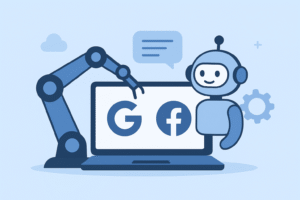 One of the most powerful applications of AI in paid advertising is predictive analytics. By analyzing vast amounts of user data, AI can forecast which customers are most likely to convert, allowing businesses to focus budgets on high-value audiences. This predictive capability makes advertising not only more efficient but also more personalized. Customers receive ads that are relevant to their needs, improving user experience while boosting brand trust.
AI-driven automation also simplifies creative testing. Platforms can now test multiple variations of ad creatives—such as headlines, images, and calls-to-action—and automatically prioritize the combinations that perform best. This process, known as responsive advertising, removes much of the manual labor involved in optimization and ensures that campaigns are always running at peak performance.
In addition, chatbots and automated customer interactions are becoming integrated into paid advertising strategies. For example, a Facebook ad can lead directly to a Messenger chatbot that provides instant answers, collects leads, or even processes sales. This seamless experience reduces friction in the customer journey, increasing the likelihood of conversion.
The rise of AI and automation represents the future of digital advertising. By leveraging intelligent systems, businesses can achieve greater efficiency, improved targeting, and higher returns on investment. As AI continues to evolve, its role in paid advertising will only deepen, making it an indispensable component of marketing success.
Building Trust and Brand Authority with Paid Advertising
Paid advertising is often associated with direct sales and conversions, but its impact extends far beyond immediate transactions. One of the most powerful yet underestimated benefits of Google Ads and Facebook Ads is their ability to build trust and establish brand authority. In today’s digital world, where consumers are overwhelmed with options, trust is the deciding factor that determines whether a customer chooses one brand over another.
The consistent visibility offered by paid ads is key to building trust. When customers repeatedly see a brand appear in search results or on their social media feeds, it creates a sense of reliability and credibility. This phenomenon, known as the “mere exposure effect,” suggests that people tend to develop a preference for things they are familiar with. By maintaining a strong paid advertising presence, businesses ensure that their brand remains top-of-mind and perceived as established and trustworthy.
Paid advertising also allows businesses to highlight their authority through content-driven campaigns. For example, a company can run ads promoting valuable blog posts, guides, or webinars rather than just products. By offering knowledge and insights, the brand positions itself as an expert in its field. This educational approach builds long-term credibility and nurtures relationships with customers who value the expertise being shared.
Reviews and testimonials are another powerful way to build trust through ads. Google Shopping Ads often display product ratings directly within search results, while Facebook Ads can feature customer testimonials or case studies. These social proof elements provide reassurance to potential buyers that others have had positive experiences, reducing hesitation and increasing the likelihood of conversion.
Transparency is equally critical. Ads that clearly communicate pricing, benefits, and expectations foster confidence, while misleading or exaggerated claims can damage credibility. By using paid advertising to deliver honest, valuable, and consistent messaging, brands strengthen their reputation and differentiate themselves in competitive markets.
Ultimately, paid advertising is not just about driving clicks—it’s about shaping perception. By using ads strategically to demonstrate expertise, consistency, and reliability, businesses can build trust and establish themselves as authorities in their industries. This trust translates into stronger customer relationships, repeat business, and sustainable growth.
The Role of Retargeting in Paid Advertising Success
Retargeting is one of the most effective strategies within paid advertising, allowing businesses to re-engage potential customers who have already shown interest but haven’t yet completed a desired action. In digital marketing, very few users make a purchase or inquiry during their first interaction with a brand. Retargeting ensures that businesses remain visible throughout the customer decision-making process, gently reminding and encouraging prospects to return and convert.
The mechanics of retargeting involve placing a small piece of code, known as a tracking pixel, on a website. This pixel records user behavior—such as browsing specific products, adding items to a cart, or visiting certain pages—and then triggers ads to be shown to those users across different platforms. For example, a user who browses running shoes on an e-commerce site may later see ads for those exact shoes while scrolling through Facebook or searching on Google.
The power of retargeting lies in its relevance. Unlike generic ads shown to broad audiences, retargeting ads are tailored to an individual’s interests and behaviors. This personalized approach significantly increases the chances of conversion because it reconnects with users at moments when they are still considering a purchase. Additionally, retargeting can be layered with incentives, such as offering a discount or free shipping, to further motivate hesitant customers.
Retargeting is not only valuable for conversions but also for brand reinforcement. Even if users do not immediately act on the retargeting ad, the repeated exposure strengthens brand recall. This consistent visibility ensures that when users are finally ready to purchase, they are more likely to choose the brand that has remained top-of-mind.
Moreover, retargeting can be tailored to different stages of the customer journey. For instance, someone who only visited the homepage may receive awareness-focused ads, while someone who abandoned a cart may receive ads highlighting urgency or exclusive offers. This segmentation ensures that messaging aligns with where the customer is in their decision-making process.
In short, retargeting bridges the gap between initial interest and final action. By reminding, reassuring, and incentivizing potential customers, it transforms lost opportunities into tangible results, making it one of the most essential components of paid advertising success.
How Paid Advertising Drives Sales in E-Commerce Businesses
E-commerce businesses thrive on visibility, traffic, and conversions, all of which are directly influenced by paid advertising. Unlike physical stores, where location and foot traffic play major roles in customer acquisition, online businesses rely on digital strategies to attract potential buyers. Google Ads and Facebook Ads have emerged as the most effective tools for driving e-commerce sales by ensuring products are showcased to the right people at the right time.
One of the most powerful paid advertising tools for e-commerce is Google Shopping Ads. These ads display product images, prices, and reviews directly within search results, allowing customers to compare options instantly. This format reduces friction in the decision-making process and attracts users who are already in a buying mindset. For e-commerce brands, this means higher conversion rates and better ROI compared to traditional text-based ads.
Facebook Ads complement this by offering dynamic product ads that automatically show users the products they previously viewed or similar recommendations. This personalization makes the shopping experience seamless and keeps the brand top-of-mind. For example, if a customer browses a fashion website but leaves without making a purchase, they may later see an ad featuring the exact dress or shoes they considered, increasing the chances of returning to complete the transaction.
Paid advertising also allows e-commerce businesses to scale quickly. By allocating budgets strategically, even small online stores can compete with larger brands by reaching highly targeted audiences. Seasonal promotions, product launches, or flash sales can be amplified through ads, creating urgency and driving immediate spikes in sales.
Moreover, analytics from paid campaigns provide e-commerce businesses with valuable insights into customer behavior, such as which products are most popular, which audiences convert best, and what messaging drives purchases. This data-driven approach enables businesses to refine their strategies, optimize product offerings, and improve the overall shopping experience.
In a highly competitive online marketplace, relying solely on organic reach is not enough. Paid advertising ensures consistent visibility, provides scalable growth, and transforms browsers into buyers. For e-commerce businesses, investing in paid advertising is not just an option—it is the engine that drives sustainable sales and long-term success.
Paid Advertising for Small Businesses: Levelling the Playing Field
One of the most remarkable aspects of paid advertising is how it empowers small businesses to compete with larger corporations. In traditional advertising methods, such as television or print media, costs were often prohibitively high, putting smaller players at a disadvantage. Digital platforms like Google Ads and Facebook Ads have changed this dynamic, creating opportunities for businesses of all sizes to connect with their target audiences at affordable costs.
Small businesses can leverage paid advertising to achieve local visibility. For instance, a local bakery can run Google Ads targeting searches like “best bakery near me” or “fresh cakes in [city],” ensuring they appear in front of customers searching nearby. This ability to target based on geography ensures that ad budgets are spent efficiently, attracting only relevant traffic that has a high likelihood of converting into sales.
Facebook Ads further extend this advantage by allowing micro-targeting. Small businesses can focus on specific demographics, such as age groups, hobbies, or even life events. A boutique clothing shop could target young adults interested in fashion within a five-mile radius, while a family-owned restaurant could promote special offers to parents living nearby. This precision ensures that even modest advertising budgets yield tangible results.
Paid advertising also allows small businesses to build brand credibility quickly. When customers see ads from a brand appearing consistently on Google or Facebook, it creates a perception of reliability and professionalism, even if the business is relatively new. This visibility levels the playing field, making small businesses appear competitive alongside established brands.
Furthermore, the flexibility of paid advertising budgets gives small businesses control. They can start with small daily spends, test campaigns, and gradually increase budgets as they see results. Unlike large-scale traditional advertising, where costs are locked in, digital paid advertising allows experimentation without major financial risks.
For small businesses, paid advertising is not just about generating sales; it is about growth, recognition, and survival in a crowded marketplace. By using tools like Google Ads and Facebook Ads strategically, small businesses can reach the right audiences, establish credibility, and scale sustainably, proving that size is no longer a barrier to success in the digital age.
The Future of Video Ads: YouTube and Facebook Integration
Video advertising has rapidly become one of the most effective formats in digital marketing, and platforms like YouTube and Facebook are leading the charge. The rise of video content consumption has reshaped how audiences engage with brands, making video ads not only more engaging but also more persuasive. With billions of daily views on YouTube and Facebook’s deep integration of video into its platform, video ads have become indispensable for businesses aiming to capture attention in a crowded digital space.
YouTube, owned by Google, benefits from being both the second-largest search engine and a massive video-sharing platform. Advertisers can place ads that appear before, during, or after videos, targeting users based on their search history, interests, or video content preferences. For example, a fitness brand can place ads on workout tutorials, ensuring their message reaches users already interested in health and wellness. This contextual relevance makes YouTube ads highly effective.
Facebook has also heavily integrated video into its platform, with autoplay video ads appearing seamlessly in user feeds. Short, engaging videos capture attention quickly, while longer formats such as Facebook Live provide opportunities for deeper engagement. Businesses can use video ads to showcase product demonstrations, behind-the-scenes content, or customer testimonials, making their messaging more authentic and relatable.
The future of video ads lies in personalization and interactivity. Both YouTube and Facebook are increasingly leveraging AI to deliver personalized video recommendations and ads tailored to user preferences. Interactive video ads, where viewers can choose paths or engage with clickable elements, are also emerging as powerful tools for creating immersive experiences.
Moreover, video ads are particularly effective for mobile-first audiences. With most users accessing content via smartphones, vertical video formats on platforms like Instagram Reels and Facebook Stories are becoming central to advertising strategies. These mobile-friendly formats ensure that brands connect with audiences in the most natural and convenient way.
Video advertising’s ability to combine storytelling, visuals, and emotion makes it unmatched in driving brand awareness and conversions. As YouTube and Facebook continue to innovate, the integration of video ads into digital marketing strategies will only grow stronger, solidifying their role as the future of engaging, impactful paid advertising.
Paid Advertising in a Mobile-First World
The shift to a mobile-first world has profoundly influenced how businesses approach paid advertising. With the majority of internet traffic now coming from smartphones and tablets, Google Ads and Facebook Ads have adapted to ensure that businesses can reach audiences seamlessly across devices. Mobile users are constantly connected, making them an ideal audience for targeted, location-based, and instant ad campaigns.
Mobile advertising offers unique opportunities for personalization. For instance, location-based targeting enables businesses to display ads to users when they are near a physical store or relevant area. A coffee shop could use Google Ads to show promotions to users searching for “coffee near me” during the morning commute. Similarly, Facebook Ads can leverage location and behavioral data to deliver highly relevant offers to users on the go.
Mobile ads also benefit from the rise of app-based ecosystems. Businesses can promote app downloads, in-app purchases, or mobile-exclusive deals through targeted campaigns. For e-commerce brands, mobile shopping ads make it easy for users to browse, compare, and purchase products directly from their devices without friction.
The design of mobile ads plays a crucial role in their effectiveness. Short, impactful messages paired with visually engaging creatives are essential to capture attention within limited screen space. Formats such as Stories, Reels, and in-feed mobile ads are optimized for quick consumption, ensuring that brands deliver messages in ways that align with mobile browsing habits.
Moreover, mobile advertising aligns with consumer behavior trends such as “micro-moments,” where users turn to their devices for quick answers or decisions. Paid advertising can capitalize on these moments by delivering relevant information or offers precisely when users need them most. For example, a user searching for “last-minute hotel deals” can be instantly presented with tailored ads from booking platforms, driving immediate conversions.
As mobile usage continues to grow, businesses that fail to optimize their paid advertising strategies for mobile risk losing relevance. By embracing mobile-first formats, location-based targeting, and streamlined user experiences, businesses can ensure their ads resonate with today’s always-connected audiences, driving both engagement and sales in a mobile-dominated digital world.
Measuring ROI: The True Value of Paid Campaigns
Return on Investment (ROI) is the ultimate measure of success in paid advertising. While impressions, clicks, and engagement rates provide valuable insights, businesses ultimately need to know whether their advertising spend is generating revenue. Platforms like Google Ads and Facebook Ads offer robust tools to track and measure ROI, making it possible for businesses to evaluate the effectiveness of every campaign.
Measuring ROI begins with setting clear goals. Whether the objective is to generate sales, capture leads, or increase website traffic, each campaign must be aligned with measurable outcomes. Google Ads, for example, allows businesses to set conversion tracking, enabling them to see exactly how many sales or sign-ups resulted from ad clicks. Similarly, Facebook Ads Manager provides detailed reports on conversions, cost per acquisition (CPA), and return on ad spend (ROAS).
One of the strengths of paid advertising is the level of transparency it provides. Unlike traditional advertising methods, where results are difficult to measure, digital platforms allow businesses to see in real time how their money is being spent and what it is delivering. This level of accountability ensures that marketing is treated as an investment rather than an expense.
ROI analysis also provides opportunities for optimization. By identifying which campaigns deliver the highest returns, businesses can reallocate budgets to focus on their most profitable strategies. For instance, if a particular keyword in Google Ads generates significantly higher sales, businesses can increase bidding on that keyword while reducing spend on underperforming ones. Similarly, Facebook’s split-testing features allow advertisers to identify which creatives, audiences, or placements produce the best ROI.
It is also important to consider the long-term value of paid advertising when measuring ROI. Some campaigns may not deliver immediate profits but contribute to brand awareness, customer acquisition, or lifetime value. For example, an ad campaign that brings in new customers at a small loss may still be profitable in the long run if those customers make repeat purchases.
Ultimately, measuring ROI ensures that paid advertising is not guesswork but a data-driven process grounded in results. By consistently analyzing and refining campaigns, businesses can maximize their returns, ensuring that every advertising dollar contributes to growth and long-term success.
Ethical Considerations in Paid Advertising
As paid advertising continues to dominate the digital landscape, questions around ethics and responsibility have become more pressing. Businesses now face the challenge of balancing profitability with transparency, privacy, and respect for consumers. While tools like Google Ads and Facebook Ads allow for precise targeting and personalization, they also raise ethical concerns about how data is collected, how ads are presented, and how truthful marketing messages are.
One of the most prominent ethical issues is data privacy. Paid advertising relies heavily on user data to deliver personalized campaigns. However, with the growing awareness of privacy concerns and strict regulations such as GDPR and CCPA, businesses must ensure they are handling customer data responsibly. Users deserve to know what information is being collected about them and how it will be used. Brands that fail to prioritize data transparency risk losing consumer trust, no matter how effective their ads may be.
Another ethical concern involves ad transparency. Consumers often complain about deceptive ads that misrepresent products or make exaggerated claims. Ethical advertising requires honesty and clarity in messaging. Businesses should avoid using misleading tactics that may result in short-term gains but damage long-term credibility. For example, an ad that promises “instant results” without delivering them risks not only dissatisfied customers but also potential penalties from advertising regulators.
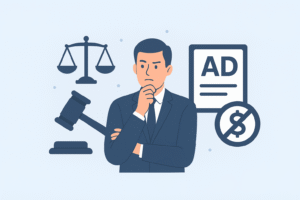 The rise of AI-driven targeting also presents ethical dilemmas. While AI can personalize ads based on user behavior, it can also create echo chambers where users are only exposed to information that confirms their existing beliefs. This raises concerns about fairness and manipulation. Businesses must find ways to leverage AI responsibly, ensuring that ads provide genuine value rather than exploiting consumer vulnerabilities.
Additionally, there are ethical considerations regarding inclusivity and diversity. Ads should reflect a wide range of audiences without reinforcing harmful stereotypes or excluding certain groups. Ethical advertisers strive to create campaigns that are respectful, representative, and inclusive of diverse communities.
Ultimately, ethical advertising is not just about compliance with laws; it’s about building lasting trust with consumers. In a world where users are becoming more aware of digital marketing practices, businesses that embrace transparency, fairness, and responsibility in their paid advertising strategies will not only avoid backlash but also gain a loyal and supportive customer base.
Why Paid Advertising is Essential for Small Businesses
Small businesses often assume that paid advertising is a strategy reserved for large corporations with massive budgets. However, platforms like Google Ads and Facebook Ads have leveled the playing field by allowing even the smallest business owners to access powerful tools that reach highly targeted audiences at relatively low costs. In today’s competitive environment, small businesses that ignore paid advertising risk being overshadowed by larger competitors that dominate online visibility.
One of the key advantages for small businesses is the ability to target locally. Unlike traditional advertising that often requires broad coverage, paid ads can be customized to reach specific geographic areas, down to the city or neighborhood level. For example, a local bakery can use Google Ads to appear only for users searching for “best cakes near me” within a five-mile radius. Similarly, a small gym can run Facebook Ads targeting people interested in fitness within their town. This precision ensures that every dollar spent reaches people who are most likely to become customers.
Another benefit is budget flexibility. Unlike large corporations that spend thousands of dollars daily on advertising, small businesses can start with modest budgets and still see significant results. Platforms like Facebook Ads even allow businesses to set daily or lifetime spending limits, ensuring costs never exceed what they can afford. This flexibility gives small businesses the freedom to experiment, test different strategies, and gradually scale campaigns as they see results.
Paid advertising also helps small businesses compete with established brands by boosting visibility instantly. While SEO takes time to build rankings, Google Ads and Facebook Ads can deliver immediate exposure. For a small business launching a new product or entering a competitive market, this instant visibility can make the difference between success and obscurity.
Moreover, paid ads provide measurable results. With detailed analytics, small business owners can track exactly how many people clicked, converted, or purchased from their campaigns. This data-driven approach ensures that even businesses with limited budgets can optimize campaigns and maximize returns.
In the modern digital world, relying solely on word-of-mouth or organic reach is no longer enough. Paid advertising is not just beneficial—it is essential for small businesses looking to grow, attract new customers, and establish themselves as credible players in their markets.
Conclusion: Paid Advertising as the Future of Digital Marketing Success
The landscape of digital marketing has evolved dramatically over the past decade, and at the heart of this transformation lies paid advertising through platforms like Google Ads and Facebook Ads. What was once considered an optional strategy has now become a core component of business success in the online world. From targeting specific audiences with laser precision to leveraging AI-driven personalization and integrating seamlessly with SEO strategies, paid advertising is shaping the future of how businesses connect with customers.
As explored throughout this blog, the advantages of paid advertising are undeniable. It delivers immediate visibility, measurable results, and the ability to adapt quickly to consumer behaviors and market changes. For both small and large businesses, it offers the scalability and flexibility needed to compete effectively in today’s crowded digital landscape. Moreover, advancements in artificial intelligence and automation ensure that campaigns are becoming smarter, more efficient, and more impactful with each passing year.
At the same time, the ethical considerations surrounding paid advertising remind us that success must be balanced with responsibility. Transparency, inclusivity, and respect for consumer privacy will play an increasingly important role in shaping the future of digital campaigns. Businesses that embrace these values will not only see strong ROI but also build lasting trust with their audiences.
Ultimately, the future of digital marketing success will not be determined by who spends the most but by who spends the smartest. Paid advertising provides the tools for precision, personalization, and performance, but it is up to businesses to use those tools strategically and responsibly. For organizations seeking to establish authority, drive growth, and maintain relevance in an ever-changing market, paid advertising is not just an option—it is a necessity.
As you plan your digital marketing strategies, remember that the journey is about continuous learning, testing, and optimizing. With the right approach, businesses can unlock unprecedented opportunities for growth. At Appledew UK, we believe in empowering businesses with cutting-edge digital solutions, and paid advertising remains one of the most powerful tools in achieving long-term success in the digital age.