
Paid Advertising is now the most powerful method for accelerating business growth, driving targeted traffic, and boosting conversions across competitive digital platforms. In 2025, brands that invest strategically in paid media outperform competitors with better visibility, higher engagement, and precise audience targeting. This extensive guide explores the full landscape of modern Paid Advertising, including advanced strategies, Google Ads optimisation, Facebook Ads scaling, conversion psychology, and campaign management best practices designed to produce measurable results for any business.
Introduction: The Rising Power of Paid Advertising in the Digital Era
Paid Advertising has evolved into the backbone of modern digital marketing. Whether a business is small, medium, or enterprise-level, strategic advertising campaigns across Google Ads and Facebook Ads can transform the way customers discover, interact with, and purchase from brands. In today’s digital-first environment, organic reach alone often isn’t enough due to heavy competition and algorithm limitations. This is where paid promotion becomes essential, enabling brands to appear instantly to the right audience at the right time with the right message. As digital markets continue to grow, companies investing in paid advertising secure faster visibility, stronger reputation, and increased revenue.
When businesses use paid advertising correctly, they gain full control over targeting, budgeting, customer segmentation, and message delivery. Unlike traditional marketing, where results are uncertain and audience segments are limited, paid ads allow precise data-driven campaigns tailored to specific demographics, behaviors, interests, and intent levels. Google Ads makes it possible to reach high-intent users actively searching for services, while Facebook Ads helps companies capture attention and build audiences who may not yet be searching but are highly relevant. With the perfect combination, businesses can build comprehensive digital funnels that attract, nurture, and convert customers at scale.
For service providers, online stores, agencies, and entrepreneurs, adopting advanced paid advertising strategies opens the door to consistent leads, higher-quality traffic, and long-term brand dominance. As the digital ecosystem becomes more competitive, understanding the full potential of paid platforms becomes crucial. This blog post, prepared for Appledew UK, explores how businesses can fully leverage Google Ads and Facebook Ads to maximise performance and achieve sustainable growth using modern paid advertising techniques.
Understanding Paid Advertising in the Modern Digital Landscape
Paid Advertising refers to any online marketing strategy where businesses pay platforms to display ads to a targeted audience. This includes search engine ads, social media ads, display banners, video promotions, sponsored listings, remarketing, and more. Over the last decade, the advertising industry has shifted massively from traditional mediums like newspapers and television to digital-first platforms because online advertising offers deeper targeting, measurable performance, and greater ROI.
In the modern digital landscape, paid advertising is no longer an optional add-on; it has become a core requirement for brand survival and growth. With billions of users browsing platforms like Google, Facebook, Instagram, and YouTube daily, businesses must position themselves in front of potential customers with visibility that is immediate and guaranteed. Paid ads allow brands to bypass slow organic growth and place their offerings directly in front of people actively interested in their product or service.
One of the biggest strengths of paid advertising today is the ability to harness user behavior data. Unlike traditional advertising where marketers could only guess who might see their message, modern ad platforms collect extensive insights about user actions, interests, demographics, device preferences, purchase intent, and engagement patterns. This intelligence enables advertisers to create personalised campaigns that connect with audiences in meaningful ways.
Paid advertising is also flexible and scalable. Businesses can start with small budgets and adjust spending based on performance. Platforms provide full transparency into metrics like impressions, clicks, conversions, CPC, CPA, and ROAS. This level of analytics empowers businesses to refine their campaigns continuously, optimise weak areas, expand profitable segments, and eliminate wasted spend.
In a saturated digital market, businesses that leverage paid advertising effectively stand out, outperform competitors, and build sustainable digital success. The modern evolution of paid advertising ensures that businesses can drive targeted traffic, increase conversions, and elevate brand recognition across platforms.
Why Paid Advertising Has Become Essential for Businesses in 2025
Paid Advertising has become indispensable for businesses in 2025 due to rapid digital transformation, increased online competition, and changing consumer behavior. With consumers spending more time online than ever before, businesses must adapt their marketing strategies to meet them where they are. Paid ads provide immediate exposure, allowing brands to reach potential customers instantly across devices and platforms.
In 2025, organic reach on social media is at its lowest due to algorithm restrictions. Platforms like Facebook and Instagram prioritise paid content, meaning businesses relying solely on organic posts rarely achieve significant visibility. Similarly, SEO alone can take months to rank, making paid search ads a faster route to top-of-page placement. This shift has made paid advertising the most reliable method for brands to ensure consistent traffic and conversion flow.
 Another major reason for its importance is advanced targeting capabilities. Paid platforms can analyse user intent, interests, engagement patterns, and behavioral signals to deliver highly relevant ads. This level of precision allows businesses to reach audiences who are more likely to engage, reducing wasted ad spend and increasing conversion rates.
Businesses also rely heavily on paid advertising because of its scalability. Campaigns can be expanded based on performance data, allowing brands to invest more in profitable strategies. This scalability provides businesses with the opportunity to forecast revenue, set realistic growth targets, and drive long-term expansion.
In 2025, consumer purchase journeys are increasingly multi-channel. People discover brands through search engines, social media, mobile apps, and websites. Paid advertising ensures that businesses appear consistently across all touchpoints, reinforcing brand credibility and encouraging users to convert. This constant visibility builds trust, which is essential for final purchasing decisions.
Ultimately, paid advertising has become essential in 2025 because it offers what no other marketing method can match: speed, control, accuracy, and scalability. Businesses that don’t invest in paid advertising risk losing visibility, customers, and market share to competitors who leverage digital ads strategically.
Benefits of Paid Advertising for Small, Medium, and Large Businesses
Paid Advertising provides significant benefits regardless of business size. Small businesses often believe paid ads are only for larger corporations, but in reality, online advertising levels the playing field. Even small brands can compete with industry leaders by targeting niche audiences and promoting tailored messages directly to potential customers. With controlled budgets and measurable KPIs, paid advertising enables small businesses to generate fast leads and improve visibility without excessive spending.
Medium-sized businesses benefit from paid advertising through accelerated growth and improved branding. As companies expand, they require predictable and scalable channels for traffic and conversions. Paid ads offer reliable forecasting, allowing medium businesses to plan campaigns around product launches, seasonal promotions, or market trends. By using precise targeting filters, they can attract users aligned with their offerings, resulting in improved ROI and increased customer acquisition.
Large businesses use paid advertising to maintain market dominance and stay ahead of competitors. With expansive budgets, big brands can run multi-channel campaigns, retarget past customers, and reach broader demographic segments. They can also implement advanced advertising strategies such as omnichannel funnels, conversion tracking, A/B testing, and multi-ad-set scaling to maximise conversions at scale.
Across all business sizes, paid advertising offers unmatched advantages in visibility, engagement, traffic quality, and conversion optimisation. It allows companies to reach customers instantly, track behavior, analyse performance, and adjust strategies in real-time. This level of precision transforms how businesses operate and ensures that marketing budgets are always used efficiently.
Understanding the Core Differences Between Google Ads and Facebook Ads
Paid Advertising becomes extremely powerful when businesses fully understand the difference between Google Ads and Facebook Ads. These two platforms serve different user intents and different stages of the customer journey, which is why combining both produces the strongest results. Google Ads operates on a pull-based intent model, meaning users search for something they already need. When someone types a query like “best website design services” into Google, they have a high intent to act. This allows brands to capture users who are ready to make decisions. Facebook Ads, however, work on a push-based discovery model, where ads are shown to users based on their interests, behavior, and demographics, even if they aren’t actively searching for anything. This creates opportunities to introduce products to new audiences who may convert later.
Google Ads focuses heavily on keyword targeting, search queries, bidding strategies, and landing page relevance. Advertisers must understand how users search, what terms they use, and what their intention is. When businesses master keyword intent, they can create highly targeted campaigns that appear at the precise moment a potential customer is making a decision. This results in better conversion rates and higher-quality leads. Google Ads also includes additional formats such as shopping ads, YouTube ads, display network ads, and retargeting placements across millions of websites, which gives brands enormous exposure.
Facebook Ads prioritise audience-based targeting. Instead of targeting keywords, advertisers target interests, age groups, demographics, behaviors, life events, and custom data segments. Facebook knows users’ hobbies, pages they follow, products they like, and content they engage with, making it an extremely powerful platform for reaching customers who may not yet know about a brand. Facebook Ads shine in building awareness, nurturing audiences, and generating demand at the top of the funnel. When combined with conversion-focused campaigns, they produce powerful full-funnel results.
Both platforms offer unique benefits. Google is strong for high-intent searches and direct conversions. Facebook is powerful for building brand visibility, reaching cold audiences, and scaling offers gradually. A successful paid advertising strategy recognises these differences and uses each platform strategically based on business goals. Understanding how each platform influences the customer journey empowers businesses to run campaigns that drive awareness, traffic, engagement, and conversions in a cohesive and effective way.
Search Intent and Why It Matters in Paid Advertising Campaigns
Paid Advertising thrives on understanding search intent because it determines how users behave, what they are looking for, and how prepared they are to convert. Without understanding intent, businesses waste money on irrelevant clicks, poor-quality traffic, and low-performing ads. Search intent refers to the goal behind a user’s action. When someone types a search query or scrolls through a social feed, they have psychological reasons motivating their behavior. Successful advertisers decode these motivations and tailor their campaigns accordingly.
There are generally three types of intent: informational, commercial, and transactional. Informational intent is when users want answers or knowledge. They search phrases like “how to run ads” or “best ad strategies.” These users are not ready to buy but are beginning their journey. Commercial intent users are comparing options, looking for reviews, checking prices, or exploring services. They search things like “top website agencies” or “best marketing companies near me.” Transactional intent is the most valuable because users are ready to take action. They search phrases like “hire social media manager” or “buy Google Ads service.” These users convert the fastest and deliver the highest ROI.
Understanding intent allows advertisers to choose the right keywords, create compelling ad copy, and design landing pages optimized for the user’s mindset. With Facebook Ads, intent is shaped through interests and behaviors. A user may not be actively searching for a service, but their interactions reveal what they care about. Their likes, engagements, video views, and purchase patterns help advertisers gauge their potential interest.
Paid advertising becomes more profitable when campaigns align with user intent. Businesses can design ads that speak directly to what their audience wants, reducing wasted spend and improving conversion rates. When search intent is understood and applied, paid campaigns produce higher engagement, stronger click-through rates, and more efficient budget utilisation. Intent-driven advertising transforms marketing from guesswork into a predictable and scalable system that delivers consistent results.
Keyword Research Strategies for High-Performing Google Ads Campaigns
Paid Advertising on Google succeeds when keyword research is done properly. Keywords act as the backbone of Google Ads campaigns because they trigger ads based on what users search. Choosing the right keywords ensures that ads appear to the most relevant audience, reducing costs and boosting conversions. Effective keyword research involves identifying search terms that have the right balance of competition, intent, and cost-per-click.
The first step is understanding the different keyword types. Broad keywords capture large audiences but may attract irrelevant clicks. Phrase match keywords target more specific searches while still allowing flexibility. Exact match keywords reach highly targeted users but limit reach. A strong campaign uses a combination of all three, depending on goals and budget. Brands must analyse search volume, cost estimates, and competition levels for each keyword to ensure they align with their campaign objectives.
Successful keyword research also includes identifying negative keywords. These are terms you exclude from campaigns to avoid irrelevant clicks. When businesses regularly update negative keyword lists, they prevent wasted spend. For example, a digital marketing agency running ads should exclude words related to jobs, free services, or unrelated industries. This eliminates users who are unlikely to convert.
Another important strategy is using long-tail keywords. These are longer, more specific search terms with lower competition and higher intent. They attract users who know exactly what they want. Long-tail keywords often deliver better ROI and lower CPC because fewer competitors bid on them. Tools like Google Keyword Planner, SEMrush, and Ahrefs help businesses discover these terms.
Keyword research should also take into account competitor strategies. By analysing competitor keywords, businesses can identify gaps and uncover profitable opportunities. Continuous optimisation is crucial. Keyword performance should be reviewed frequently to remove costly, low-performing terms and replace them with stronger options.
When keyword research is done with precision, Google Ads campaigns reach the right audience, drive quality traffic, and produce higher conversion rates. It transforms paid advertising from a guessing game into a data-driven approach that supports long-term business growth.
Ad Copywriting Techniques That Drive Higher Conversions
Paid Advertising relies heavily on persuasive ad copy because it determines how users respond to your message. Even with perfect targeting and strong keywords, poor ad copy can lead to low CTR and weak conversion rates. Effective ad copywriting requires understanding user psychology, emotional triggers, and value propositions. To create compelling ads, marketers must focus on clarity, relevance, and benefits.
Writing strong ad copy begins with understanding your audience’s pain points. When businesses highlight the exact problem users face and offer a clear solution, ads become more compelling. Users must immediately understand why the offer matters. The headline should capture attention instantly by reflecting the user’s search intent. It should be direct, promise value, and communicate what makes the business unique.
Ad descriptions should support the headline with additional details, emphasising benefits, results, and reasons to trust the brand. Using emotionally driven language can help motivate users to take action. Terms that evoke urgency or exclusivity often enhance engagement. The call-to-action must be strong, clear, and aligned with the campaign goal. Whether it’s “Book now,” “Get a free quote,” or “Start today,” the CTA must guide users toward the next step.
Alignment between ad copy and landing page content is essential. When users click an ad, they expect the landing page to match what the ad promised. If the landing page is unrelated or confusing, users leave quickly, increasing bounce rates and reducing conversion rates. Consistency improves trust and creates a seamless experience.
Testing different versions of ad copy is also a vital part of the process. A/B testing allows businesses to compare headlines, descriptions, CTAs, and formats to identify what performs best. Small changes can produce significant improvements in CTR and conversions. Continuous optimisation ensures that ads remain engaging, relevant, and effective over time.
Strong ad copy transforms paid advertising performance by attracting more clicks, engaging users emotionally, and increasing the likelihood of conversions. Businesses that master copywriting enjoy stronger ROI and more profitable campaigns.
Landing Page Optimisation for Successful Paid Advertising Campaigns
Paid Advertising can only generate maximum results when the landing pages behind the ads are designed to convert effectively. A well-crafted landing page acts as the final step in the customer journey, where users decide whether they should take action or leave. Even if your ad targeting, budget, and copy are perfect, a poorly optimised landing page can destroy conversion rates. The goal is to create a page that loads quickly, communicates value immediately, and guides users towards the desired action without confusion or distraction.
The first factor in landing page optimisation is speed. In today’s fast-paced digital world, users expect pages to load instantly. If a landing page takes more than a few seconds to load, users lose interest and leave. Page speed affects not only user experience but also affects quality score in Google Ads, which directly influences cost-per-click and ad positioning. A fast website ensures your budget is used efficiently and results are more consistent.
Clarity is essential. When users land on your page, they must instantly understand what you offer, why it’s valuable, and what action you want them to take. This means your headline should directly reflect the ad users clicked. Consistency builds trust and reduces confusion. The content should be structured in a way that leads users smoothly from one section to another. A strong value proposition, clear messaging, and persuasive content increase the chances of conversion.
Visual design also plays a major role. The layout must be clean, organised, and professional. High-quality images, consistent branding, and readable text make the landing page visually appealing. Too many unnecessary elements can distract users and reduce conversions. A single, focused objective is better than multiple conflicting actions. For example, if your campaign goal is to generate leads, the landing page should prioritise the form, contact button, or booking feature above anything else.
Trust elements help users feel confident in taking action. This can include reviews, client logos, testimonials, awards, certifications, or case studies. These signals show that your business is reliable and trusted by others. Trust plays a major role in high-ticket service industries, where users require reassurance before committing.
The call-to-action should be easy to find. Whether it’s a form button, booking button, or purchase button, it must stand out clearly. The text should be direct, motivating users to proceed. Words like “Start Now,” “Get Your Free Quote,” or “Schedule Your Consultation” encourage users to move forward.
Mobile optimisation cannot be ignored. Most users browse on mobile devices, so the landing page must be responsive, readable, and functional across screens. Buttons must be easy to click, text easy to read, and images properly aligned. Without mobile optimisation, a large portion of traffic is wasted.
Landing page optimisation enhances every paid campaign by improving user experience, increasing conversions, and ensuring your budget delivers maximum returns. When your landing page is aligned with your ads, your Paid Advertising strategy becomes far more profitable.
Budget Planning and Bidding Strategies for Better ROI
Paid Advertising success depends heavily on proper budget allocation and effective bidding strategies. Businesses often assume that higher budgets guarantee better results, but that isn’t always true. What matters most is how the budget is distributed, how the bidding strategy is set, and how performance is monitored. A well-planned budget ensures that your ads reach the right audience at the right time without overspending.
The first step in budget planning is determining overall marketing goals. Whether the objective is brand awareness, lead generation, traffic growth, or direct sales, each goal requires a different spending strategy. For example, awareness campaigns benefit from broader targeting, while lead-generation campaigns require tighter audience control and higher bid competitiveness. Aligning the budget with the goal ensures that spend is optimised efficiently.
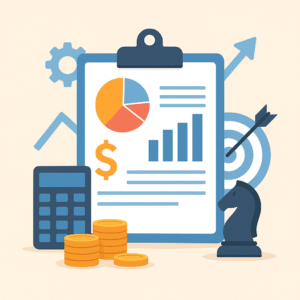 Daily and monthly budget settings should be based on performance insights rather than random allocation. Businesses should start with a balanced budget, monitor early results, and make adjustments over time. Google Ads and Facebook Ads both provide estimated reach, CPC, and audience size predictions that help businesses make informed decisions. Gradually increasing the budget as performance improves leads to stronger ROI.
Bidding strategies play a crucial role in cost control. Manual bidding allows advertisers to set maximum CPC values, but this requires continuous monitoring. Automated bidding strategies, such as target CPA, target ROAS, and maximised conversions, use machine learning to adjust bids in real-time. These automated strategies often deliver better results over time because the system learns which users are more likely to convert.
Audience quality also impacts budget efficiency. Spending money on the wrong audience results in wasted clicks. Refining targeting—whether through keywords or demographics—ensures that only the most relevant users see the ads. Remarketing campaigns generally require smaller budgets but produce higher conversion rates because they target people already familiar with your business.
Time-of-day and day-of-week scheduling also improves budget utilisation. Ads should run when your audience is most active. Platforms provide detailed reports showing peak performance times, enabling advertisers to schedule campaigns strategically.
A strong budget plan ensures that every pound spent supports the business’s long-term goals. When paired with smart bidding strategies, this leads to consistent results, lower costs, and higher returns from Paid Advertising.
Audience Targeting and Segmentation for Facebook Ads
Paid Advertising on Facebook becomes extremely effective when audience targeting is executed correctly. One of Facebook Ads’ biggest strengths is its ability to segment audiences based on detailed user data. The platform collects millions of data points about user behavior, interests, demographics, engagement patterns, and purchasing tendencies. When advertisers use this data strategically, they create highly targeted campaigns that increase conversions, reduce costs, and improve performance.
Audience segmentation begins with demographic targeting. This includes age, gender, location, job title, education level, and relationship status. These metrics help businesses reach the groups most likely to engage with their offer. However, targeting only demographics isn’t enough. Interest-based targeting allows advertisers to reach people who follow specific pages, interact with certain content, or have shown interest in related industries. These signals reveal user behavior and preferences, making ads more relevant and impactful.
Behavioral targeting enhances precision even further. Facebook tracks what users buy, what ads they click, what content they engage with, and how they behave online. This allows advertisers to target users based on their purchase habits, device usage, and activity levels. For businesses selling services or digital products, behavioral targeting is extremely effective.
Custom audiences allow businesses to reconnect with people who have already interacted with their brand. This includes website visitors, past customers, email subscribers, or users who have engaged with your social content. Custom audiences deliver higher conversion rates because they target warm prospects who are already familiar with the business.
Lookalike audiences extend reach by finding new users who behave similarly to your best customers. Facebook’s algorithm analyses your existing audience and identifies new groups of people with similar behaviors, interests, and purchasing patterns. This helps businesses scale their campaigns while maintaining high conversion potential.
Segmentation should also include exclusions. By excluding irrelevant groups, you prevent wasted ad spend. For example, excluding existing customers from lead-generation campaigns avoids paying for clicks from users who have already converted.
When audience targeting and segmentation are done properly, Facebook Ads become one of the most powerful tools for generating leads, traffic, and sales. It ensures that your Paid Advertising efforts connect with the right users at the perfect time.
Retargeting and Remarketing: Turning Visitors Into Paying Customers
Paid Advertising becomes significantly more profitable when retargeting and remarketing strategies are applied. Most users don’t convert on their first visit. They browse, compare, evaluate, and think before making a decision. Retargeting allows businesses to reconnect with these users, reminding them of their interest and encouraging them to come back and complete the action.
Google Ads retargeting works across millions of websites through the Google Display Network. When users visit your website, the pixel tracks their behavior. This data allows advertisers to show tailored ads to users as they browse other websites or watch YouTube videos. This type of retargeting keeps your brand in the user’s mind, increasing the likelihood of conversion.
Facebook remarketing uses the Meta Pixel to track user activity across your website and social platforms. When users leave without converting, remarketing ads bring them back with personalised messages. These ads can highlight benefits, offer discounts, showcase testimonials, or answer objections. This nudges users towards taking action.
Retargeting is powerful because it focuses on warm audiences. These users already know your brand, making them more likely to convert. Retargeting ads typically have lower CPC and higher ROI compared to cold-audience campaigns.
Advanced remarketing includes segment-based retargeting. Users can be grouped based on the pages they viewed, actions they took, or time spent on your site. This allows advertisers to create highly personalised ads. Someone who viewed your pricing page may see a different ad compared to someone who only visited your homepage.
Retargeting helps businesses maximise every visitor, increasing total conversions and reducing wasted spend. It ensures your Paid Advertising budget works as efficiently as possible by converting users who have already shown interest in your services.
The Role of Creative Design in High-Converting Paid Advertising Campaigns
Paid Advertising does not rely only on targeting, keywords, or bidding strategies. A major factor that influences user engagement, click-through rates, and conversions is the creative design of the ads themselves. Visual appeal plays a critical role in capturing user attention, especially on platforms like Facebook and Instagram, where users scroll rapidly and react primarily to images and videos. A compelling creative design can make the difference between an ad that gets ignored and an ad that drives measurable results.
Creative design begins with understanding the psychology of visual communication. Humans process visuals far faster than text, which means images must communicate the core message instantly. High-quality visuals, clear branding, and emotionally appealing colours help establish a strong first impression. The creative must highlight the value proposition in a visually engaging way. Whether it’s a product image, a lifestyle photo, or a short video, the design should guide viewers toward the message and encourage them to click.
Consistency is essential. The creative must match the landing page, the message, and the brand identity. When visuals feel inconsistent or confusing, users lose trust. A harmonised visual experience reassures users and builds credibility. This includes using consistent colours, fonts, tone, and style. The imagery should represent the brand’s personality and appeal to the target audience’s preferences.
Ad creatives should also be optimised for different formats. Facebook, Instagram, Google Display Network, and YouTube all require different dimensions and styles. A single creative cannot work equally well across all placements. Vertical videos work best for mobile stories, square images perform well in feeds, and landscape formats are suitable for YouTube and wider screens. Each placement has its own user behaviour patterns, and designing creatives accordingly improves performance.
Emotionally driven visuals often produce the highest conversions. Showing real people, real environments, and real benefits helps audiences connect with the brand on a personal level. When users see relatable visuals, they feel understood and become more likely to respond to the message. Storytelling through visuals is also highly effective, especially in video ads. A well-crafted narrative can turn a simple ad into a compelling experience that emotionally influences the viewer.
Creative design must also consider clarity. Ads should not be overloaded with text or unnecessary elements. The message should be easy to understand within seconds. When users see a clean, professional, and visually appealing ad, they are more likely to trust the brand and click through.
Testing different creatives is a core part of optimisation. A/B testing helps determine which visuals perform better, allowing advertisers to improve results over time. Simple adjustments like changing colours, updating imagery, or modifying text placement can significantly enhance performance.
When creative design is executed effectively, it enhances every aspect of Paid Advertising, helping brands capture attention, build trust, and drive conversions in a competitive digital environment.
Conversion Tracking and Performance Measurement for Paid Advertising
Paid Advertising becomes meaningful only when results are measured accurately. Conversion tracking ensures that businesses understand what users do after clicking an ad. Without proper tracking, businesses cannot determine which campaigns work, which keywords convert, or which audiences produce the best return. Data-driven decisions become impossible without clear, measurable insights.
Conversion tracking starts with defining what counts as a conversion. This could be a purchase, a lead submission, a call, a booking, or even important micro-actions like viewing a pricing page. Every business must identify meaningful actions that indicate user interest or intent. Platforms like Google Ads and Facebook Ads allow detailed conversion setup through tracking codes, pixels, or event-based measurements.
Installing the correct tracking tools is essential. Google Analytics, Google Tag Manager, Meta Pixel, and platform-specific tracking scripts work together to measure user interactions. These systems collect data about clicks, visits, behaviour, and conversions. When tracking is set up correctly, businesses can see exactly which ads drive results and which do not.
Data analysis is a crucial step. Click-through rates, cost-per-click, cost-per-conversion, and return on ad spend are key metrics that reveal campaign performance. By analysing these metrics, advertisers can identify strengths and weaknesses in their strategy. If a keyword is generating clicks but no conversions, it may indicate poor intent or a mismatch between the ad and landing page. If an audience has high engagement but low conversions, the targeting may be too broad or the message may need refinement.
Attribution models also play a major role. Different attribution models distribute credit differently across the customer journey. Some models give credit to the first click, while others prioritise the last interaction. Understanding attribution helps businesses understand how users move through the funnel and which touchpoints matter most.
Continuous monitoring and optimisation help businesses improve campaign performance. By regularly reviewing data, advertisers can refine targeting, adjust budgets, improve creatives, and test new ideas. Conversion tracking transforms guesswork into precision, allowing businesses to focus their spend on what truly works.
Accurate performance measurement ensures that businesses maximise their ROI and build scalable, profitable Paid Advertising campaigns based on real insights instead of assumptions.
Scaling Your Ads: How to Grow Paid Advertising Campaigns Successfully
Paid Advertising requires a structured approach to scaling. Many businesses struggle because they scale too fast or without a clear strategy, resulting in wasted budget or unstable performance. Scaling must be gradual, data-driven, and aligned with long-term goals. When done correctly, scaling allows businesses to increase revenue, reach new audiences, and expand market presence while maintaining or improving ROI.
Scaling begins by identifying top-performing campaigns. Before increasing budgets or launching new creatives, advertisers must confirm that a campaign is stable. Stability means that the conversion rate is consistent, the CPA is within acceptable limits, and the audience responds positively to the ads. Scaling a weak campaign only magnifies problems.
There are two main approaches to scaling: vertical scaling and horizontal scaling. Vertical scaling involves increasing the budget on existing campaigns. This approach works when a campaign consistently performs well. However, budget increases should be gradual. Large jumps can disrupt performance because algorithms require time to readjust. Increasing budgets slowly helps maintain consistency.
Horizontal scaling involves expanding into new audiences, new platforms, or new creative variations. This includes testing new demographic groups, interest segments, or keyword clusters. It also includes launching additional creatives that appeal to different user motivations. Horizontal scaling diversifies risk and provides additional data points that improve overall optimisation.
Another factor in scaling is improving the value of each customer. Instead of focusing only on acquiring new customers, businesses can use remarketing, upsell funnels, and backend offers to increase lifetime value. Scaling becomes easier when customers return regularly and spend more over time.
Creative refresh cycles are also vital. Over time, audiences experience ad fatigue, meaning they become less responsive to ads they have seen repeatedly. New visuals, updated ad copy, and refreshed designs help keep engagement high. Regular creative updates ensure that campaigns remain effective as they scale.
Structured testing fuels successful scaling. Small experiments lead to large improvements. By testing different bidding strategies, targeting options, visuals, and landing page variations, businesses can identify the most profitable combinations.
Scaling is not just about spending more. It’s about creating a sustainable, predictable system that allows businesses to increase visibility, conversions, and revenue without losing control. A well-executed scaling strategy transforms Paid Advertising into a powerful growth engine.
Common Mistakes Businesses Make in Paid Advertising and How to Avoid Them
Paid Advertising can deliver outstanding results, but many businesses fail because of common mistakes that weaken performance and waste budget. Understanding these mistakes helps advertisers avoid unnecessary losses and create more effective campaigns.
One of the biggest mistakes is poor targeting. When businesses use broad or irrelevant audiences, they attract clicks that do not convert. Targeting must be precise and aligned with business goals. Without demographic, behavioural, or intent-based segmentation, campaigns become expensive and ineffective.
Another common mistake is ignoring landing page quality. Many businesses focus heavily on ads but forget that landing pages play an equally important role. If the landing page is confusing, slow, or lacks clarity, users will exit immediately. This results in high bounce rates and poor conversion performance.
Weak ad copy is also a major factor in underperforming campaigns. Ads must be persuasive, clear, and aligned with user intent. Generic or vague messaging fails to capture attention. Strong headlines, compelling descriptions, and clear CTAs are essential for success.
Many advertisers also fail to track conversions properly. Without accurate tracking, it becomes impossible to measure results or optimise campaigns. When businesses guess rather than analyse, their decisions are based on assumptions rather than real data. Proper tracking tools must be installed and monitored regularly.
Overspending without strategy is another frequent issue. Businesses increase budgets hoping for quick results, but scaling should be done carefully. Rapid budget increases disrupt algorithmic learning. Gradual adjustments allow consistent performance.
Another mistake is failing to test creatives or targeting. Advertising platforms rely heavily on continuous optimisation. Without testing different versions of ads, businesses cannot identify what works best. A/B testing ensures constant improvement.
Additionally, some businesses ignore remarketing strategies. Most users do not convert immediately. Remarketing reconnects with users who showed interest, allowing businesses to close more sales efficiently. Failing to remarket means losing potential customers.
Avoiding these mistakes helps businesses get the most from their Paid Advertising efforts and ensures long-term profitability.
Google Ads vs Facebook Ads: Which Platform Is Best for Your Business?
Paid Advertising works differently for every business, and choosing the right platform is essential for long-term success. Google Ads and Facebook Ads serve different purposes, and understanding which platform suits your business depends on your goals, audience, and product type.
Google Ads is ideal for businesses targeting users with high purchase intent. When someone searches for a service or product, they are actively looking for a solution. This makes Google Ads extremely powerful for generating direct leads and sales. It provides visibility at the exact moment users are ready to take action. For service-based businesses, Google Ads often delivers fast results because users are already motivated.
 Facebook Ads, on the other hand, are perfect for businesses looking to build awareness, nurture audiences, or introduce new offerings. Users on Facebook are not searching; they are browsing. This gives advertisers the opportunity to interrupt user attention with attractive visuals and compelling messages. Facebook excels in targeting cold audiences, building followers, and generating long-term engagement.
The choice between platforms depends on audience behaviour. If your audience frequently searches for solutions, Google Ads is ideal. If your audience spends time browsing social media, Facebook Ads provides better opportunities for visibility.
Budget also plays a role. Google Ads often has higher CPC, especially in competitive industries. Facebook Ads typically offer lower CPC and broader reach. Businesses with smaller budgets may find Facebook more accessible initially.
In many cases, the best approach is using both platforms together. Google captures high-intent users, while Facebook nurtures awareness and remarketing. A combined strategy provides a complete funnel from awareness to conversion.
Choosing the right platform ensures your Paid Advertising budget delivers maximum value and long-term growth.
Future Trends in Paid Advertising: What Businesses Must Prepare For
Paid Advertising is constantly evolving, and businesses must stay ahead of trends to remain competitive. The future of digital advertising will be shaped by artificial intelligence, privacy regulations, automation, and new audience behaviours. Advertisers who adapt early will gain a significant advantage.
AI-driven optimisation is becoming central to both Google Ads and Facebook Ads. Algorithms are becoming more intelligent, learning user behaviour patterns and adjusting bids automatically. This reduces manual work and improves accuracy. Businesses must embrace automation to remain competitive in a rapidly changing environment.
Privacy changes also impact advertising. With regulations like GDPR and updates to tracking systems, advertisers must find new ways to target audiences without relying heavily on third-party data. First-party data becomes more valuable, meaning businesses must build email lists, customer databases, and direct engagement channels.
Visual content will continue to dominate. Video ads, short-form content, and interactive formats will attract more engagement. Platforms will prioritise creators, influencers, and user-generated content, making authenticity more important than polished corporate visuals.
The rise of voice search may influence keyword strategies. Businesses must consider conversational search patterns. Machine-learning bidding strategies will become the default standard, and advertisers must learn how to guide automated systems using data, signals, and conversion tracking.
Understanding future trends helps businesses shape a long-term, profitable Paid Advertising strategy and remain competitive in a fast-changing digital environment.
Conclusion: The Power of Paid Advertising for Long-Term Digital Growth
Paid Advertising plays a central role in driving growth, visibility, and revenue for modern businesses. When implemented correctly, it becomes a predictable and scalable system that delivers consistent results. With strong targeting, persuasive ad copy, effective creatives, and data-driven optimisation, paid campaigns transform how brands attract, engage, and convert their audiences. Google Ads helps businesses capture high-intent users who are ready to take action, while Facebook Ads builds awareness, nurtures relationships, and expands reach. Together, they create a complete marketing ecosystem that supports both short-term and long-term goals.
Businesses that master paid advertising gain control over their growth. They can generate leads on demand, reach new markets, and increase brand authority. As digital competition increases, paid advertising becomes essential for maintaining visibility and staying ahead of competitors. With continuous optimisation, tracking, and creative testing, paid campaigns become more refined and profitable over time.
In the evolving world of digital marketing, platforms will continue to introduce new tools, automation options, and targeting capabilities. Businesses that stay updated and adapt early benefit the most. With a strong foundation built on strategy, creativity, and analytics, any brand can grow sustainably through paid advertising.
Appledew UK stands as an example of how digital services empower businesses to thrive online. Through strategic paid advertising, brands can unlock new opportunities, connect with the right audience, and achieve measurable results. With consistent improvement, data-driven insights, and creative excellence, paid advertising becomes the engine of long-term digital success.