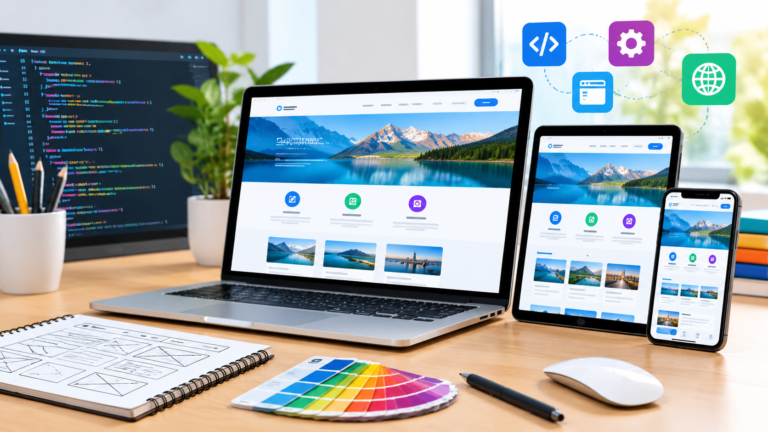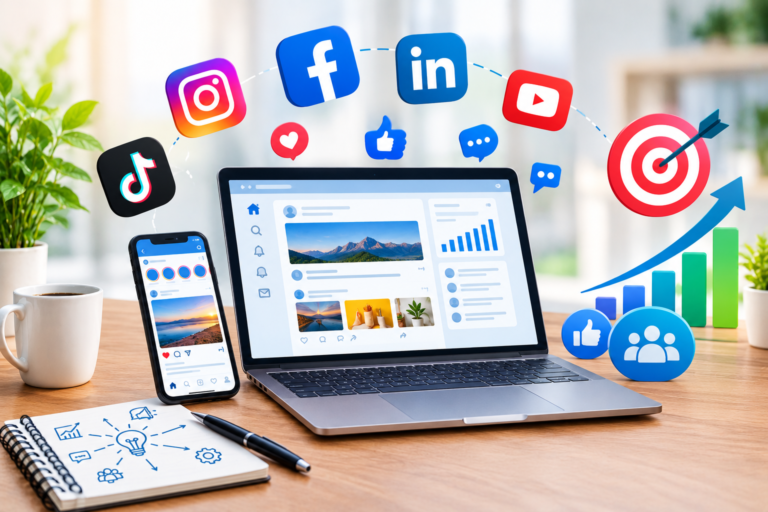

In today’s hyperconnected world, Professional Branding and Graphic Design Solutions play a crucial role in defining how businesses communicate visually with their audiences. Every design element — from the logo and color palette to typography and marketing materials — reflects the essence of a brand’s personality. A well-structured brand identity helps companies stand out, build trust, and establish an emotional connection with their target audience. Businesses that invest in branding and design excellence position themselves as credible, consistent, and memorable in competitive markets.
Introduction: The Power of Visual Identity in Business Growth
In the modern digital ecosystem, where attention spans are short and competition is fierce, branding and graphic design have become essential tools for success. A strong brand isn’t just about having a logo — it’s about creating an identity that speaks directly to the customer’s emotions, values, and aspirations. At Appledew UK, we understand that every brand has a story to tell, and visual design is the language that brings that story to life. In the digital era, brand identity is more than a logo; it’s an emotional connection with your audience. Professional branding defines your core message, while graphic design translates it into visuals that resonate across all touchpoints, creating recognition, trust, and loyalty.
Professional branding helps businesses define their core message, while graphic design translates that message into visuals that resonate across all touchpoints. Whether it’s through a beautifully designed logo, engaging website visuals, or consistent social media aesthetics, design becomes the bridge between business and consumer.
Moreover, Professional Branding and Graphic Design Solutions enable businesses to communicate authenticity. A consistent design strategy strengthens credibility, attracts the right audience, and builds long-term loyalty. In essence, branding is not just about how a business looks — it’s about how it feels, sounds, and connects emotionally.
As brands continue to evolve in an ever-changing digital marketplace, the value of well-executed branding and design cannot be overstated. They create recognition, build emotional attachment, and drive conversions by turning first impressions into lasting relationships.
Understanding the Essence of Branding
Branding is far more than a logo or a name — it’s the emotional and psychological relationship between a company and its customers. When people connect with a brand, they’re responding to how it makes them feel. Effective branding involves defining a company’s personality, tone, and values in a way that’s both authentic and visually compelling.
In essence, branding shapes how audiences perceive a business. The colors chosen, the style of typography, and the tone of voice used in communication all play a crucial role in how a brand is remembered. Good branding builds trust; great branding builds loyalty.
Brands that invest in Professional Branding and Graphic Design Solutions are better positioned to create a unique identity that resonates across all marketing channels. From packaging to digital campaigns, consistency in visual language reinforces recognition. The more recognizable a brand becomes, the easier it is for customers to choose it over competitors.
A strong brand identity also serves as an internal compass, guiding how employees communicate and represent the business. It builds a sense of unity, clarity, and pride. Therefore, branding is not just about external presentation — it’s about internal alignment too.
The Strategic Role of Graphic Design in Modern Branding
Graphic design is the visual articulation of a brand’s identity. It’s the art of blending creativity with strategy to communicate messages effectively. Modern design is not just about making things look attractive — it’s about enhancing usability, engagement, and emotional impact.
 Professional designers understand that graphic design is storytelling with visuals. Every color, icon, and layout choice carries meaning. A minimalistic design can convey sophistication, while vibrant colors can express energy and innovation. In branding, design consistency ensures customers recognize a brand instantly, whether on packaging, websites, or advertisements.
Professional Branding and Graphic Design Solutions take a holistic approach by integrating design with business strategy. Designers study market trends, audience psychology, and brand goals before crafting visuals that align with brand identity. This alignment ensures every visual element contributes to the bigger picture — creating coherence across all brand experiences.
Good design captures attention; great design creates emotion. The most memorable brands in the world — Apple, Nike, and Coca-Cola — have mastered the art of simplicity and consistency. Their visual styles are unmistakable, and that’s the power of professional design done right.
The Connection Between Branding and Consumer Psychology
Understanding consumer psychology allows brands to influence perception and decision-making. Colors, fonts, and design elements evoke emotional responses, shaping how audiences interpret a brand and building subconscious associations that reinforce trust and recognition.
Colors, for instance, have psychological effects. Blue conveys trust and reliability, while red signifies energy and passion. Fonts communicate tone — serif fonts feel traditional and formal, while sans-serif fonts feel modern and approachable. These design choices, when strategically applied, affect how customers interpret a brand’s message.
Through Professional Branding and Graphic Design Solutions, businesses can build subconscious associations. Consistency reinforces recognition and familiarity, which breeds trust. When consumers repeatedly encounter cohesive branding across platforms, they begin to associate the brand with reliability and professionalism.
Moreover, emotion drives purchase decisions more than logic. People don’t just buy products — they buy experiences, values, and identity. Strong branding capitalizes on this emotional connection by telling stories that reflect the audience’s lifestyle and aspirations.
Crafting a Memorable Logo: The Face of a Brand
A logo is often the first point of contact between a business and its audience. It’s not just an image; it’s the symbolic heart of a brand. A great logo captures the essence of a company’s mission, personality, and values in a simple yet powerful form.
When designing a logo, clarity and simplicity are paramount. Overly complex designs can confuse or fail to scale well across platforms. Instead, a successful logo should be timeless, versatile, and memorable. It should reflect the business’s industry, but with a unique twist that makes it stand out.
Professional Branding and Graphic Design Solutions emphasize the importance of scalability and adaptability. A logo must look equally impressive on a billboard, social media profile, or a mobile app icon. That’s why vector-based designs and adaptable color variations are critical for brand consistency.
Beyond aesthetics, the logo’s conceptual strength determines its impact. Every shape and color should carry meaning. For example, circles can represent unity and harmony, while sharp edges convey strength and innovation. A logo’s design process involves research, brainstorming, and refinement — ensuring that the final result becomes a timeless visual signature.
The Role of Typography and Color in Brand Communication
Typography and color form the backbone of a brand’s visual communication. Together, they set the tone, mood, and emotional resonance of a brand’s identity. A consistent typographic hierarchy creates visual order, while colors evoke specific psychological responses that influence perception.
Typography communicates voice. Serif fonts may express tradition and authority, while sans-serif fonts convey modernity and simplicity. Pairing fonts strategically helps maintain harmony and balance throughout all branded materials. Designers working within Professional Branding and Graphic Design Solutions ensure that typography complements other design elements without overpowering them.
Color, on the other hand, is an emotional language of its own. The right palette not only attracts attention but also creates associations with specific values — green for growth, black for elegance, orange for creativity. By maintaining a consistent color system across all brand assets, companies establish immediate recognition.
Together, color and typography act as silent ambassadors of a brand’s character. They make a brand’s presence instantly recognizable, ensuring that every message visually reflects its personality.
The Importance of Brand Consistency Across All Platforms
In the digital era, where audiences interact with brands across numerous touchpoints — websites, social media, emails, and print — consistency is the glue that holds a brand together. Maintaining a cohesive brand identity ensures that customers recognize and trust your business wherever they encounter it.
Consistency in Professional Branding and Graphic Design Solutions doesn’t mean uniformity; it means harmony. Each visual element — from color palettes and typography to image styles and tone of voice — should align seamlessly, reinforcing the brand’s story and personality.
When a company presents itself consistently, it builds familiarity. Familiarity breeds trust, and trust drives loyalty. Every time customers see a consistent logo placement, layout structure, or communication style, their confidence in the brand deepens.
On the flip side, inconsistent branding creates confusion and weakens credibility. If your social media design differs drastically from your website or print materials, customers may perceive your brand as unreliable. Strong design systems prevent this by providing clear visual guidelines that unify every marketing effort.
Ultimately, consistency transforms branding into a long-term investment rather than a one-time project. It ensures that each customer experience strengthens recognition and keeps your brand top of mind in competitive markets.
The Digital Age of Branding: Adapting to Online Environments
The rise of digital platforms has redefined how brands communicate, market, and connect. A modern brand must live and breathe online — across social media, websites, apps, and even virtual environments. Therefore, branding and graphic design must evolve to meet the expectations of digital-first audiences.
Digital branding focuses heavily on adaptability. Logos, fonts, and visuals need to be responsive and optimized for different screen sizes and devices. Professional Branding and Graphic Design Solutions ensure that your identity remains sharp, cohesive, and engaging whether viewed on a smartphone or a large desktop monitor.
Online, design isn’t just about aesthetics — it’s about functionality and experience. Website layouts must guide users intuitively, while visual hierarchies must lead the eye naturally toward calls to action. The goal is to merge usability with beauty, ensuring every interaction feels effortless yet memorable.
Furthermore, digital design enables storytelling through animation, motion graphics, and multimedia integration. Brands that embrace interactive visuals capture audience attention longer and build stronger emotional bonds.
Adapting branding for the digital age is not optional — it’s essential. Companies that fail to modernize their visual presence risk appearing outdated or irrelevant in fast-paced digital landscapes.
Storytelling Through Visual Design
Storytelling has always been the cornerstone of effective branding. Visual storytelling, however, amplifies this by turning ideas and emotions into powerful imagery that captures hearts instantly. Through thoughtful use of visuals, brands can communicate their mission, evoke emotion, and inspire action — all without words.
Professional Branding and Graphic Design Solutions combine art and strategy to craft compelling visual stories. Every design — from social media graphics to packaging — becomes a chapter in the brand’s narrative. These visuals reinforce brand values and help audiences connect emotionally.
For instance, a company promoting sustainability might use earthy tones, organic shapes, and eco-themed imagery to visually represent its values. The story unfolds through design choices that align with the message. Visual storytelling doesn’t just communicate what a brand does — it expresses why it matters.
When executed consistently, this narrative approach helps brands become more than businesses — they become relatable, human, and meaningful. People don’t remember taglines; they remember stories that made them feel something.
Ultimately, visual storytelling transforms design from decoration into communication, turning passive viewers into active brand advocates.
The Role of Branding in Customer Loyalty
Loyalty is not built overnight; it’s earned through consistent value, trust, and emotional connection. Effective branding serves as the foundation for all three. When customers feel emotionally connected to a brand, they are more likely to return, recommend, and engage.
 Professional Branding and Graphic Design Solutions play a vital role in this process. They help define and reinforce the brand’s identity at every interaction point. A cohesive visual presence makes customers feel they’re part of something familiar and reliable.
A strong brand identity creates community. Think about companies like Starbucks or Apple — their customers don’t just buy products; they buy belonging. Every design decision, from packaging to store ambiance, strengthens emotional ties.
Moreover, branding impacts how customers perceive value. A polished design and consistent brand experience suggest professionalism and quality. Even when products are priced higher, customers associate the brand with worth and are willing to pay a premium.
Loyal customers don’t just return; they become advocates. They share experiences, promote your brand voluntarily, and extend your reach organically. The result? A self-sustaining cycle of trust, recognition, and growth rooted in strong branding foundations.
The Impact of Branding on Business Growth
Branding is not just a marketing expense — it’s a long-term business investment that drives growth, credibility, and customer retention. A well-defined brand differentiates a company in crowded markets, allowing it to command attention and premium pricing.
Professional Branding and Graphic Design Solutions help businesses grow by ensuring every visual and emotional touchpoint supports a unified goal — recognition and connection. When potential customers encounter a brand that looks professional, communicates clearly, and evokes trust, they are more likely to convert.
Visual identity affects everything — from customer engagement and lead generation to employee morale. A strong brand gives direction to internal teams, helping them align with shared goals and values. This internal consistency strengthens external perception.
Moreover, branding fuels expansion opportunities. Businesses with a strong identity can enter new markets, launch new products, and attract partnerships more easily because they already have a recognizable and respected image.
In a digital age dominated by impressions and perceptions, branding becomes the silent salesperson working 24/7 — ensuring that even when you’re not talking, your visuals are.
Rebranding: When and Why Businesses Should Refresh Their Identity
Every successful business eventually reaches a point where its brand needs to evolve. Markets shift, audiences mature, and design trends change — and that’s where rebranding becomes essential. Rebranding isn’t about discarding the old; it’s about strategically realigning your visual and emotional identity to reflect who you’ve become.
Professional Branding and Graphic Design Solutions play a critical role in this transformation. Skilled designers help businesses evaluate what’s working and what isn’t, ensuring the new identity maintains brand recognition while injecting fresh energy.
The key reasons for rebranding often include outdated visuals, changes in market positioning, or new product offerings. A company expanding globally, for example, might need a more versatile logo that resonates with international audiences. Similarly, a brand shifting from budget to premium markets must update its design language to reflect sophistication.
However, rebranding must be approached carefully. A complete overhaul without retaining familiar elements can alienate existing customers. The ideal approach balances continuity with innovation, ensuring that loyal audiences still recognize and trust the brand while welcoming its refreshed appearance.
Rebranding isn’t just about modernizing visuals; it’s about signaling evolution. It shows that the company is forward-thinking, adaptive, and ready for the next chapter. When done right, it reignites customer interest, attracts new audiences, and reinforces relevance in dynamic industries.
The Role of User Experience (UX) in Branding
In the age of digital interaction, branding extends beyond aesthetics — it encompasses how people feel when they engage with your brand online. This is where User Experience (UX) comes into play. A brand’s website, mobile app, or online store is often its most direct connection with customers, and poor design can destroy credibility in seconds.
Through Professional Branding and Graphic Design Solutions, UX design ensures that every digital interaction aligns with brand values and delivers satisfaction. A seamless user experience — intuitive navigation, readable content, and responsive layouts — reflects professionalism and builds trust.
The color scheme, typography, and layout of a website all influence how users perceive a brand. For example, a cluttered design may communicate chaos, while a minimalist interface suggests clarity and efficiency. These subtle design cues affect whether visitors stay and engage or leave within seconds.
Good UX design also drives conversions. When users can easily find information, complete purchases, or contact the brand, they associate convenience with reliability. Over time, this fosters brand loyalty.
In short, UX design bridges visual branding with functional design, ensuring that your brand doesn’t just look good but feels good to use. It transforms casual visitors into satisfied customers — and satisfied customers into advocates.
How Branding Shapes Perception in Competitive Markets
In crowded industries where products and services often look alike, branding becomes the ultimate differentiator. It defines how customers perceive your value, relevance, and trustworthiness — even before they experience your product.
Brands that invest in Professional Branding and Graphic Design Solutions gain a competitive edge by presenting themselves with clarity, confidence, and consistency. A polished visual identity signals quality, while thoughtful storytelling makes the brand memorable.
Perception is reality in marketing. If a brand appears credible, people assume its products are superior. If it looks outdated, people may question its professionalism. That’s why maintaining a refined, modern, and cohesive identity is crucial for long-term success.
A strong brand also humanizes a business. Customers connect with personalities, not products. By expressing emotion, purpose, and authenticity through design, a brand becomes relatable. The best companies understand that perception drives purchasing behavior — and they shape it intentionally.
Ultimately, branding doesn’t just attract attention; it commands respect. In markets where competitors fight for visibility, the brand that communicates clearly and emotionally wins every time.
Integrating Branding into Marketing Campaigns
Marketing and branding are two sides of the same coin — one communicates the message, the other defines how it’s perceived. Successful campaigns rely on a solid brand foundation that ensures every ad, email, or post aligns with the company’s identity and voice.
When businesses use Professional Branding and Graphic Design Solutions, they ensure every campaign feels like part of a unified story. Whether it’s a seasonal promotion or a long-term awareness drive, design consistency reinforces recognition. Audiences begin to associate recurring visuals, colors, and tones with your brand’s personality.
Moreover, integrating branding into marketing creates emotional continuity. When people encounter familiar visuals across channels — from Instagram ads to newsletters — it strengthens trust and recall. This cohesion turns marketing from a collection of isolated efforts into a synchronized brand experience.
In digital marketing, design also plays a vital role in engagement. Eye-catching visuals, creative typography, and well-designed layouts determine whether users click, scroll, or convert. Brands that master this fusion of design and strategy achieve higher retention and stronger loyalty.
In short, marketing may get attention, but branding keeps it. Together, they create lasting impressions that translate into measurable business success.
The Relationship Between Branding and Corporate Culture
A brand isn’t just what customers see — it’s what employees believe. Internal branding and corporate culture are inseparable. When employees embody brand values, they become living ambassadors who shape how the world perceives your company.
Professional Branding and Graphic Design Solutions extend beyond customer-facing visuals. They influence internal communication, workplace design, and even employee engagement. Branded materials such as internal newsletters, presentations, and uniforms help create unity and purpose within the organization.
When employees understand and believe in the brand mission, they communicate it authentically. This alignment leads to stronger performance, better customer interactions, and a cohesive company image. Essentially, branding becomes a shared identity — not just an external promise.
Corporate culture also influences design direction. A brand that values innovation may embrace bold, unconventional visuals, while one focused on tradition might favor timeless, elegant aesthetics. These internal values shape how the brand expresses itself to the world.
When culture and branding work in harmony, authenticity shines through. Customers sense when a brand’s image matches its behavior, and this alignment builds deeper trust and loyalty.
How Technology is Transforming Branding and Graphic Design
Technology has revolutionized how brands are built, communicated, and experienced. From artificial intelligence to augmented reality, digital tools are empowering businesses to connect with audiences in new and creative ways.
Today’s Professional Branding and Graphic Design Solutions leverage advanced software and automation to enhance efficiency, personalization, and precision. Designers now use AI-driven tools to generate logos, suggest color palettes, and analyze audience preferences — all based on real-time data.
Moreover, technologies like virtual reality (VR) and augmented reality (AR) have opened new frontiers for brand engagement. Brands can now create immersive experiences that allow consumers to “step into” their world. This interactive storytelling builds emotional resonance and leaves a lasting impression.
Cloud collaboration platforms have also transformed the creative process. Teams can now work remotely across continents, exchanging ideas and design iterations instantly. This accessibility ensures faster project delivery without compromising creativity.
In addition, design trends evolve faster than ever due to social media and online communities. Staying ahead requires agility — the ability to adapt designs, campaigns, and identities quickly while maintaining brand integrity.
In essence, technology doesn’t replace creativity — it enhances it. It empowers brands to innovate, personalize experiences, and measure design impact more effectively. Businesses that embrace these digital tools future-proof their branding for years to come.
Measuring the Success of Branding and Design Strategies
Branding may seem intangible, but its impact can be measured through key performance indicators (KPIs) that reflect awareness, engagement, and loyalty. Tracking these metrics helps businesses understand whether their branding and graphic design efforts are delivering real-world results.
Common metrics include brand recall, website traffic, conversion rates, and social media engagement. When audiences recognize your visuals, remember your message, and take action, it’s a clear sign of effective branding.
 Professional Branding and Graphic Design Solutions also use data analytics to refine design strategies. For instance, A/B testing different layouts or color schemes can reveal what resonates most with target audiences. Over time, these insights lead to smarter design decisions that maximize impact.
Customer feedback plays an equally important role. Surveys, reviews, and social listening tools can reveal how people perceive your brand and whether your design evokes the desired emotions. Positive sentiment indicates alignment between brand identity and audience expectations.
Ultimately, measurable branding is sustainable branding. When businesses evaluate results regularly, they ensure their visual identity continues to support growth, adapt to market changes, and maintain relevance.
Future Trends in Branding and Graphic Design
As markets evolve and technologies advance, the future of branding and design promises even greater creativity, personalization, and interactivity. Modern consumers crave authenticity, purpose, and experiences — not just visuals.
Professional Branding and Graphic Design Solutions are shifting toward storytelling that’s immersive, human, and socially responsible. Brands are now expected to take stands on issues that matter — sustainability, inclusivity, and transparency — and reflect these values visually.
Minimalism continues to dominate, but with a twist. Designers are embracing emotional simplicity — creating clean visuals that still convey warmth and personality. Motion graphics and 3D visuals are also becoming staples in branding, offering depth and engagement beyond static imagery.
AI-driven design will continue to shape the creative landscape, allowing brands to generate personalized visuals based on user behavior. Meanwhile, eco-friendly design practices will rise in importance as companies adopt sustainable materials and digital-first branding to reduce waste.
In the coming years, branding will become more experiential than ever. Whether through AR filters, interactive websites, or virtual brand spaces, businesses will find innovative ways to merge technology with storytelling — ensuring audiences don’t just see the brand but feel it.
Conclusion: Shaping the Future of Visual Identity with Appledew UK
In today’s visually driven marketplace, a powerful brand identity isn’t optional — it’s essential. Every shape, shade, and line tells a story that influences how customers perceive and connect with your business. Through Professional Branding and Graphic Design Solutions, companies can craft visuals that go beyond beauty — designs that communicate purpose, spark emotion, and inspire loyalty.
At Appledew UK, we believe that great design is both an art and a strategy. Our mission is to help businesses build timeless identities that not only look stunning but also create meaningful relationships with their audiences. From logos and brand kits to complete visual ecosystems, we transform ideas into memorable experiences that drive recognition and growth.
Branding is a journey — one that requires consistency, creativity, and clarity. When done right, it becomes your greatest asset, setting you apart from competitors and establishing trust that lasts.
As the world continues to evolve, those who invest in professional branding and graphic design will lead the way — creating not just visuals, but visions that define the future.
Implementation Prompt for Professional Branding and Graphic Design Solutions Blog Post:
“Using the concepts outlined in the blog ‘Professional Branding and Graphic Design Solutions: Building Timeless Identities in the Digital Era,’ create a detailed action plan for implementing professional branding and graphic design strategies for a modern business. Your output should include the following:
- Brand Identity Development:
- Define brand personality, tone, and values.
- Suggest a unique brand story that emotionally connects with the target audience.
- Recommend a brand name, tagline, and positioning statement if applicable.
- Logo Design and Visual Elements:
- Create a logo concept that is scalable, versatile, and memorable.
- Provide suggested color palettes, typography styles, and iconography.
- Explain the psychological rationale behind each visual choice.
- Digital Branding Adaptation:
- Recommend how the brand identity should appear across digital platforms: website, social media, apps, email marketing, and virtual environments.
- Suggest UI/UX principles that align with the brand and enhance user engagement.
- Consistency and Guidelines:
- Produce a branding guideline outline that ensures consistency across all touchpoints.
- Include color codes, font usage rules, logo placement, and tone of voice guidance.
- Visual Storytelling and Marketing Integration:
- Recommend strategies for storytelling through graphics and multimedia content.
- Suggest how visuals should integrate into marketing campaigns to build loyalty and recognition.
- Rebranding Considerations:
- If applicable, create a rebranding strategy including reasons for refresh, new visual directions, and how to maintain audience recognition.
- Measuring Success:
- Define key metrics to track branding effectiveness: brand recall, engagement, conversions, social media traction, and customer feedback.
- Suggest tools or methods for monitoring and improving brand performance.
- Future-Proofing:
- Recommend emerging design trends, AI tools, or digital strategies that align with modern branding practices.
- Suggest ways to ensure the brand remains adaptable and relevant in the evolving digital landscape.
Deliverables should be detailed, actionable, and ready to implement, including visual examples where applicable. Ensure all suggestions align with Google search quality guidelines, are user-focused, and reflect professional branding standards.
If you want professional help implementing this strategy, reach out via (https://appledew.co.uk/contact-us/).”