

Social Media Marketing has become the cornerstone of digital success for modern businesses. In 2025, brands that embrace innovative marketing strategies across platforms like Instagram, TikTok, Facebook, and LinkedIn are achieving remarkable engagement and conversion growth. With changing algorithms, AI-driven analytics, and advanced customer insights, mastering social media is no longer optional—it’s essential. This blog post explores the future of Social Media Marketing, uncovering proven methods to elevate brand visibility, boost sales, and build lasting relationships in an ever-evolving digital landscape.
Introduction
In today’s digital-first world, Social Media Marketing stands as the driving force behind brand awareness, customer engagement, and sales conversions. Whether you’re a small business or a large enterprise, your online presence directly influences how audiences perceive your brand. Social media platforms have evolved into powerful tools that connect businesses with millions of users daily. Through visually engaging posts, stories, and reels, companies now have the ability to communicate directly with their audience, build communities, and grow their customer base faster than ever before.
For businesses like Appledew UK, which specialize in branding, digital strategy, and online growth, understanding the power of social media marketing is essential. It enables brands to showcase their creativity, deliver value, and foster emotional connections that go beyond traditional advertising. As 2025 unfolds, social media continues to dominate the marketing landscape, offering unparalleled opportunities for innovation and brand storytelling.
This comprehensive guide explores the importance of social media marketing, its evolving trends, and effective strategies to help your brand thrive. From understanding your audience to leveraging AI-driven insights, this article will guide you step-by-step toward mastering Social Media Marketing and achieving sustainable online growth.
Understanding the Evolution of Social Media Marketing
Social media has undergone a remarkable transformation over the past decade. What started as a means of personal communication has evolved into a dynamic marketing ecosystem that influences purchasing behavior and consumer trends globally. The rise of platforms like Instagram, TikTok, and X (formerly Twitter) has reshaped how brands interact with audiences, emphasizing visual storytelling, authenticity, and direct engagement.
Modern social media marketing focuses on creating personalized experiences. Brands no longer rely on generic advertisements; instead, they craft content that resonates with their target audience. AI algorithms now play a crucial role in analyzing user behavior, predicting engagement, and optimizing ad performance. This data-driven approach enables marketers to design campaigns that deliver measurable results and high ROI.
The evolution of social media marketing also highlights the importance of community building. Audiences crave connection and authenticity. Brands that focus on genuine interaction—through comments, live videos, and real-time engagement—see higher retention rates and customer loyalty. As 2025 progresses, social media marketing will continue to prioritize transparency, storytelling, and audience-centric strategies that align brand values with user expectations.
The Role of Content in Social Media Success
Content lies at the heart of every successful social media campaign. It’s not just about posting regularly; it’s about creating value, emotion, and relevance for your audience. Effective Social Media Marketing relies on crafting high-quality visuals, engaging captions, and authentic storytelling that capture attention within seconds.
 In today’s algorithm-driven environment, content that sparks conversations, evokes emotion, or provides actionable insights tends to perform best. Brands that combine educational posts, entertaining reels, and behind-the-scenes insights can maintain consistent engagement and visibility. Consistency also signals credibility—when users see regular, meaningful updates, they associate your brand with reliability and trust.
The emergence of AI-based tools for content creation has further revolutionized the process. Marketers now use machine learning to analyze audience sentiment, generate topic ideas, and optimize hashtags for maximum reach. However, the key remains authenticity. While automation helps with efficiency, real connection still comes from the human touch—stories that reflect your brand’s voice and values.
Choosing the Right Platforms for Your Brand
Not every platform suits every brand. Facebook excels in community building and targeted ads, Instagram thrives on visual storytelling and influencer collaborations, LinkedIn is ideal for B2B engagement, and TikTok dominates short-form video trends. Align your brand goals with platform strengths for maximum ROI. Focus on 1–2 platforms first for consistency and measurable growth.
Facebook remains a powerhouse for community building and targeted advertising. Instagram thrives on visual appeal and influencer collaborations. LinkedIn caters to professionals and B2B connections, while TikTok dominates the short-form video trend, appealing to younger audiences with its creative and viral nature. Meanwhile, YouTube remains the hub for long-form storytelling and educational content.
Brands should align their marketing goals with platform strengths. For example, lifestyle and fashion brands may excel on Instagram, while service-based businesses perform well on LinkedIn. The key is to focus on quality rather than quantity—master one or two platforms before expanding. This ensures consistent branding, higher engagement, and measurable growth.
The Importance of Brand Storytelling
Storytelling transforms a brand into a relatable personality. Every post, video, or reel should communicate your brand’s journey—mission, vision, and values. In 2025, immersive storytelling using AR, VR, and interactive content enables users to experience products virtually before purchasing, building trust and engagement.
Effective storytelling humanizes your brand. It builds trust, credibility, and emotional connection, turning casual followers into loyal customers. Every post, video, or reel should communicate a piece of your brand’s journey—your struggles, successes, mission, and vision. When audiences see authenticity, they engage more deeply and share your content organically.
In 2025, brands are moving toward immersive storytelling using AR, VR, and interactive content. This shift allows users to experience products virtually before purchasing. Whether it’s a brand origin video or a user-generated testimonial, storytelling helps bridge the gap between business and consumer, making your brand memorable in a saturated digital market.
Building a Strong Social Media Strategy
Creating a successful Social Media Marketing strategy requires more than just posting regularly—it demands clarity, consistency, and creativity. A solid strategy starts with understanding your target audience and defining your brand voice. Set clear goals—brand awareness, lead generation, or sales—and analyze what works using data. Incorporate storytelling, influencer partnerships, and paid campaigns for a dynamic digital ecosystem. Staying adaptable to algorithm changes ensures long-term success.
Every strong strategy is built around goals—whether it’s increasing brand awareness, generating leads, driving website traffic, or boosting sales. These goals shape the type of content, posting frequency, and engagement approach your brand uses. It’s also essential to analyze what works and what doesn’t. By studying your analytics, you can refine your campaigns to ensure higher reach and engagement.
A modern social media strategy also integrates storytelling, influencer partnerships, and paid promotions. These elements work together to create a dynamic digital ecosystem that attracts attention and builds loyalty. In 2025, adaptability is key. Algorithms, trends, and consumer behavior change rapidly, so staying flexible ensures your brand remains relevant and competitive.
Leveraging Influencer Marketing
In today’s marketing world, influencers have become digital ambassadors for brands. Their authenticity and connection with followers make influencer marketing one of the most powerful strategies in Social Media Marketing. Consumers trust recommendations from real people far more than traditional advertisements. When influencers promote your product, they do so through storytelling, lifestyle integration, and honest reviews—factors that build instant credibility.
Choosing the right influencer is crucial. A large follower count doesn’t always guarantee success; relevance and engagement matter more. Micro and nano influencers, with smaller but highly loyal audiences, often deliver better conversion rates. Collaborations can include sponsored posts, reviews, giveaways, or co-created content that enhances brand visibility.
The future of influencer marketing lies in long-term relationships rather than one-time promotions. Brands are now building ambassador programs where influencers become true advocates, representing the brand’s mission and values. As audiences grow more skeptical of paid promotions, transparency and authenticity will remain the cornerstone of successful influencer campaigns.
The Power of Visual Content
Visuals dominate social media engagement. High-quality images, videos, and graphics capture attention instantly. Video trends include vertical storytelling, cinematic reels, and AR-enhanced videos. Visual consistency across colors, typography, and tone builds brand identity and strengthens trust.
In 2025, brands are adopting new visual trends such as vertical storytelling, cinematic reels, and AR-enhanced videos. These creative tools make content interactive and memorable. However, the key to success isn’t just aesthetics—it’s relevance. Every image or video should align with your brand’s message and evoke emotion.
Visual consistency builds identity. When users recognize your color palette, typography, and tone, they start to associate those elements with your brand. This recognition leads to stronger recall and deeper trust. Investing in creative visuals and experimenting with formats helps your brand stay ahead in a rapidly evolving digital space.
Harnessing the Potential of Video Marketing
Video content—from TikTok shorts to YouTube long-form—drives retention, engagement, and emotional connection. Behind-the-scenes clips, tutorials, and live streaming humanize your brand. AI-driven analytics help track viewer behavior and tailor content to audience preferences, enhancing personalization and loyalty.
For brands using Social Media Marketing, video content helps humanize the business and showcase authenticity. Behind-the-scenes clips, tutorials, and testimonials build transparency, while product demos and live sessions drive conversions. Live streaming, in particular, enables real-time interaction—an essential factor in building community trust.
AI-driven analytics are now helping brands measure engagement more accurately, tracking viewer behavior and identifying patterns that guide future campaigns. The future of video marketing lies in personalization—tailoring video content to specific audience segments based on preferences and actions. Brands that master this approach will enjoy deeper connections and stronger loyalty across all platforms.
The Role of Paid Advertising in Social Media Marketing
Organic reach alone is no longer enough to stay visible in today’s competitive landscape. Paid advertising is an essential part of a winning Social Media Marketing strategy. It allows brands to reach highly targeted audiences, boost engagement, and accelerate results.
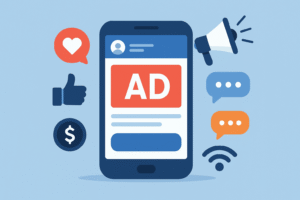 Platforms like Facebook Ads, Instagram Ads, LinkedIn Campaigns, and TikTok Ads offer precise targeting based on age, location, interests, and behavior. This ensures your content reaches those most likely to convert. The key to success lies in crafting visually appealing ads paired with compelling copy and a clear call to action.
In 2025, AI-powered ad optimization has taken center stage. Machine learning helps marketers predict performance, adjust budgets, and improve targeting automatically. A well-balanced strategy that combines organic growth with paid campaigns enables brands to maintain consistent visibility while maximizing ROI. Paid ads are no longer optional—they’re a necessity for sustained growth in the digital marketplace.
Engaging Your Audience Through Authentic Interaction
The essence of Social Media Marketing lies in engagement. Building a strong online presence means more than gaining followers—it’s about nurturing genuine connections. Responding to comments, messages, and mentions shows that your brand values its audience. Engagement is not just communication; it’s community building.
Authenticity is what sets successful brands apart. Users can sense when engagement feels robotic or forced. Brands that engage with empathy and personality cultivate stronger relationships and brand loyalty. Hosting live Q&A sessions, interactive polls, and sharing user-generated content fosters inclusivity and strengthens your online community.
Moreover, platforms now reward authentic engagement with higher visibility. Algorithms prioritize content that receives meaningful interactions—comments, shares, and saves—over passive likes. Therefore, focusing on two-way communication is not only good for your brand image but also beneficial for algorithmic reach.
Data Analytics: Measuring Social Media Success
Without data, there’s no direction in Social Media Marketing. Analytics reveal how your content performs, what resonates with your audience, and where improvements are needed. Tracking metrics like reach, impressions, engagement rate, and conversions allows brands to make data-driven decisions that enhance performance.
Advanced analytics tools such as Meta Insights, Google Analytics, and Hootsuite provide detailed breakdowns of audience demographics and behavior. These insights help refine content strategy, posting times, and ad targeting for optimal results. The shift towards AI and predictive analytics enables marketers to anticipate future trends and adjust proactively.
Measuring ROI ensures that every campaign contributes to tangible business goals. Whether your focus is brand awareness, lead generation, or sales, analytics provide the clarity needed to sustain growth and remain competitive in an ever-changing digital ecosystem.
The Rise of AI in Social Media Marketing
Artificial intelligence is revolutionizing Social Media Marketing. From chatbots to automated posting tools, AI streamlines workflows, personalizes content, and enhances customer experiences. Machine learning algorithms analyze user behavior, predict engagement trends, and recommend optimal posting times.
AI also assists in content creation by generating captions, hashtags, and even visuals that align with brand tone. Predictive analytics help marketers design campaigns that anticipate audience responses before they occur. Personalized recommendations and adaptive targeting ensure that users receive content that truly matters to them.
As AI continues to evolve, it’s essential for brands to balance automation with authenticity. While technology enhances efficiency, maintaining a human connection remains vital. Brands that integrate AI smartly—without losing their personal voice—will lead the next era of digital marketing innovation.
The Importance of Consistency in Social Media Marketing
Consistency is the foundation of a successful Social Media Marketing strategy. Posting high-quality content regularly not only keeps your brand visible but also strengthens your credibility. When audiences see consistent updates, they begin to associate reliability and professionalism with your brand. Inconsistent posting, on the other hand, can lead to reduced engagement and loss of follower interest.
Consistency goes beyond posting schedules—it also includes visual identity, tone, and messaging. Your brand’s colors, voice, and overall personality should remain cohesive across all platforms. This ensures that whether a user sees your content on Instagram, LinkedIn, or TikTok, they instantly recognize your brand.
Modern scheduling tools like Buffer, Later, and Hootsuite help maintain a regular posting rhythm without overwhelming your marketing team. However, the most important aspect is maintaining quality while staying consistent. It’s better to post less frequently but deliver valuable, engaging content than to post often without purpose. In 2025, consistency and authenticity remain the driving forces that build long-term brand trust and audience loyalty.
The Power of Community Building
Social media is more than a marketing platform—it’s a space for connection, communication, and collaboration. Community building lies at the heart of modern Social Media Marketing, transforming followers into advocates and customers into loyal supporters.
A strong community doesn’t emerge overnight; it’s cultivated through meaningful engagement and genuine connection. Brands that listen to their audience, respond to feedback, and involve users in their growth journey create lasting relationships. Communities thrive on shared values, transparency, and a sense of belonging.
User-generated content (UGC) plays a major role in community engagement. When followers create content related to your brand, it amplifies authenticity and strengthens credibility. Hosting challenges, giveaways, or interactive live sessions encourages participation and fosters deeper bonds. In an era dominated by digital noise, having a supportive, active community ensures your brand remains relevant, trusted, and human.
Adapting to Algorithm Changes
Every social media marketer knows that algorithms can make or break visibility. Platforms like Instagram, Facebook, and TikTok constantly update their algorithms to improve user experience—but these changes can impact how your content performs. Staying ahead requires adaptability and strategic thinking.
Algorithms prioritize content that drives meaningful engagement. Posts that receive comments, shares, and saves signal quality and relevance, leading to wider reach. Therefore, instead of chasing viral trends, brands must focus on authentic content that encourages conversation and interaction.
Analyzing your insights regularly helps identify patterns in engagement and visibility. Adapting to new formats like Reels, Stories, and short-form videos ensures your content aligns with algorithmic preferences. By understanding and responding to these shifts, brands can sustain their reach and maintain strong engagement even as platform rules evolve. The most successful Social Media Marketing campaigns in 2025 are those that embrace change rather than resist it.
Integrating Social Media with SEO and Website Strategy
A powerful digital presence isn’t built in isolation. Integrating Social Media Marketing with SEO and your website strategy creates a cohesive online ecosystem that drives measurable growth. Social signals such as shares, mentions, and backlinks influence search rankings, while optimized website content ensures users find your brand easily through search engines.
 When users discover your content on social media and visit your website, it improves domain authority and user engagement metrics—two crucial factors in SEO performance. Embedding social feeds on your website, adding share buttons, and maintaining consistent branding across platforms create a seamless experience.
Moreover, social media content can be repurposed for blogs, landing pages, and newsletters to extend reach and reinforce messaging. For a brand like Appledew UK, integrating these channels ensures that every marketing effort contributes to a unified digital presence, enhancing both visibility and credibility across the web.
Future Trends in Social Media Marketing
The future of Social Media Marketing is dynamic, innovative, and deeply personalized. As technology advances, brands must prepare for new opportunities and challenges that redefine digital engagement. Artificial intelligence, augmented reality (AR), and virtual reality (VR) are transforming how audiences interact with content. These technologies allow immersive brand experiences that go beyond traditional storytelling.
The rise of decentralization, Web3, and social commerce will continue to blur the lines between social engagement and online shopping. Consumers can already purchase products directly from social media platforms, and this trend will only accelerate. Additionally, personalized experiences powered by data analytics will shape marketing strategies, ensuring each user receives content tailored to their preferences.
Ethical marketing and transparency will also become priorities. Users now value honesty, inclusion, and sustainability from the brands they support. The brands that stay authentic, technologically adaptable, and customer-focused will dominate the next wave of social media innovation.
Conclusion
In conclusion, Social Media Marketing is no longer an optional marketing strategy—it’s the heartbeat of modern business success. From storytelling and influencer collaborations to AI-driven insights and paid campaigns, every aspect contributes to building a stronger, more relatable brand presence. The journey doesn’t end with gaining followers; it begins when you transform those followers into a thriving community built on trust and engagement.
For businesses like Appledew UK, mastering the art of social media marketing opens endless opportunities to reach new audiences, boost conversions, and create meaningful relationships. As the digital world continues to evolve, brands that stay consistent, creative, and authentic will lead the way. Social media is more than just a platform—it’s the bridge that connects innovation, emotion, and growth in the ever-changing world of online marketing.
AI Implementation Prompt for Your Blog Post
Prompt:
Task: You are a Social Media Marketing expert and strategist. Using the blog post titled “Revolutionizing Brand Growth: The Power of Social Media Marketing in 2025”, create a step-by-step actionable plan for a business to implement all strategies discussed in the article. The plan should be practical, measurable, and tailored for 2025’s digital landscape. Follow Google Search Quality Guidelines to ensure content is helpful, authoritative, and trustworthy.
Instructions:
- Audience Analysis: Identify the target audience, including demographics, interests, and platform preferences. Recommend at least 2–3 primary social media platforms to focus on.
- Content Strategy: Suggest a monthly content calendar with specific post types (reels, stories, videos, carousel posts) and content themes aligned with the brand’s storytelling. Include guidance on frequency and timing.
- Brand Storytelling: Provide examples of authentic storytelling methods, including behind-the-scenes content, testimonials, and immersive experiences (AR/VR suggestions if applicable).
- Visual & Video Content: Advise on visual content style, brand colors, and video formats (short-form, long-form, live streams). Include tips for consistency across platforms.
- Influencer Marketing: Suggest strategies to select relevant influencers, types of collaborations (sponsored posts, giveaways, co-created content), and guidance on building long-term partnerships.
- Paid Advertising: Create a sample ad strategy, including ad types, targeting options, budgets, and how AI can optimize campaigns. Include suggestions for Facebook, Instagram, TikTok, LinkedIn, and YouTube.
- Engagement & Community Building: Recommend methods for authentic audience interaction, responding to comments/messages, hosting Q&A sessions, polls, challenges, and user-generated content campaigns.
- Analytics & ROI Tracking: Suggest metrics to track (reach, engagement, conversions), tools for analytics (Meta Insights, Google Analytics, AI analytics tools), and how to adjust strategies based on insights.
- SEO & Website Integration: Provide guidance on integrating social media with SEO strategy, including embedding feeds, adding share buttons, and repurposing content for blogs, newsletters, or landing pages.
- Future Trends & AI: Offer advice on adopting AI tools, personalization strategies, AR/VR content, social commerce, and preparing for emerging trends while maintaining authenticity.
- Implementation Timeline: Include a 3-month roadmap showing step-by-step execution from content creation, paid campaigns, engagement, and analytics tracking.
Output Format:
- Provide actionable steps in bullet points or numbered lists.
- Include practical examples wherever possible.
- Ensure the language is clear, professional, and actionable for marketing teams or business owners.
- Highlight priority tasks for immediate action vs. long-term strategies.
Call-to-Action for Readers:
“To get a fully tailored Social Media Marketing strategy for your brand using this guide, try using this AI prompt. For personalized support, reach out to us via [https://appledew.co.uk/contact-us/].”