

Branding and Graphic Design are powerful tools that help businesses stand out in a competitive marketplace. By combining strategic brand identity with creative design, companies can build trust, attract customers, and achieve long-term success. In this in-depth guide, we explore the essential role of Branding and Graphic Design in shaping customer perceptions, strengthening visibility, and ensuring consistent messaging across all platforms.
Introduction to Branding and Graphic Design
In today’s fast-moving digital environment, where businesses are constantly competing for customer attention, Branding and Graphic Design have become more important than ever. A strong brand communicates who you are, what you stand for, and why people should trust you. At the same time, great design ensures that this message is delivered in a visually appealing and memorable way. Together, they form the foundation of how a company is perceived in the marketplace. For businesses in every sector, from startups to established corporations, branding and design determine not just how they look but also how they connect emotionally with their audience.
When customers encounter a brand, they don’t just see a logo or a product; they experience a story. That story is built with consistent visuals, clear messaging, and strategic design. Without proper branding, even the best products may fail to capture attention. Without strong design, even the most promising brand messages can be lost in clutter. This is why integrating branding with graphic design is crucial for long-term growth.
At Appledew UK, we understand that modern businesses need more than just a logo or a color palette. They need a cohesive identity that resonates with customers at every touchpoint—whether it’s on websites, social media, advertisements, or packaging. This blog post will walk you through the critical aspects of branding and graphic design, helping you understand how these two elements work together to create impact, influence, and trust.
The Power of Branding in Modern Business
Branding is more than just a name or a symbol; it is the complete perception of a business in the minds of customers. In a competitive world where hundreds of companies may offer the same product or service, branding helps create differentiation. A well-defined brand not only communicates value but also establishes credibility. Customers often make decisions based on emotions rather than logic, and a strong brand taps into those emotions, creating loyalty and long-term connections.
Think about the most successful global companies. When people see their logo or hear their name, they instantly recall an experience, a promise, or a value. This is the magic of branding. It is not about convincing people to buy a product—it is about making them feel that the brand is a part of their lifestyle. This power is only achieved through consistent efforts to align messaging, visuals, and customer experience.
The role of branding in modern business also extends to employee motivation. A strong brand provides clarity and direction to the team, ensuring everyone works toward the same goal. Internally, it creates pride and unity; externally, it creates recognition and trust. Without branding, businesses risk blending into the background, competing only on price, and losing long-term sustainability. With branding, however, companies gain the ability to stand apart, build emotional relationships, and position themselves as leaders in their industries.
Understanding Graphic Design as a Communication Tool
Graphic design is often misunderstood as simply making things “look good.” However, in reality, it is a strategic communication tool that shapes how messages are delivered and received. The role of design is to translate complex ideas into simple, visually engaging content that captures attention and drives action. Whether it’s a website layout, a social media post, or a business card, design influences how customers perceive the professionalism and credibility of a brand.
Every color, font, shape, and image used in design communicates something about the brand. For example, bold fonts might represent strength and confidence, while soft tones and rounded shapes may represent friendliness and warmth. A poorly designed graphic can send the wrong message and damage a brand’s reputation, while well-thought-out design ensures clarity, consistency, and emotional connection.
Modern graphic design also plays a key role in digital marketing. In an age where people scroll through content in seconds, visuals are often the first—and sometimes the only—element they notice. A powerful design can stop someone from scrolling, encouraging them to read more, engage, or even make a purchase. This makes design an essential investment, not just for aesthetics, but for measurable business results.
When integrated with branding, graphic design ensures that every customer touchpoint reflects the same identity and voice. This alignment strengthens recognition, builds trust, and enhances customer loyalty over time.
Why Branding and Graphic Design Must Work Together
While branding and graphic design are powerful on their own, their real impact comes when they work together. Branding defines the personality, tone, and vision of the company, while design translates that identity into visuals that customers can recognize and connect with. Without design, branding remains abstract; without branding, design becomes meaningless decoration. Together, they form a complete story that resonates with the audience.
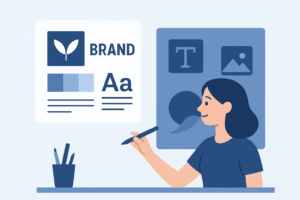 Consider how a brand communicates across different platforms—its website, product packaging, social media posts, and advertisements. If the branding strategy emphasizes professionalism and trust but the design uses inconsistent colors, unreadable fonts, or irrelevant visuals, the overall impact is weakened. On the other hand, when branding and design are aligned, customers instantly recognize and understand the brand’s promise.
Working together also creates long-term consistency. A customer who encounters the brand multiple times sees the same colors, style, and tone of voice. Over time, this repetition creates familiarity, and familiarity builds trust. Trust then becomes loyalty, which leads to repeat business. This cycle is what makes the collaboration between branding and design a key driver of growth for modern businesses.
In addition, aligning branding and design also supports marketing campaigns. A clear identity makes advertisements more memorable, websites more user-friendly, and social media more engaging. Companies that invest in this alignment are better positioned to stand out in crowded markets and build lasting relationships with their audience.
The Evolution of Branding and Graphic Design
Branding and graphic design have evolved significantly over time, shaped by technology, culture, and consumer expectations. In the early days, branding was limited to simple marks or symbols used by merchants to identify their products. Design, too, was largely functional, focusing on legibility and basic aesthetics. Over the decades, however, both fields have transformed into sophisticated disciplines that influence global business strategies.
The rise of digital platforms has been one of the most significant changes. Today, businesses no longer rely only on physical touchpoints like packaging or store design. Instead, digital branding through websites, mobile apps, and social media has become equally, if not more, important. This shift has also made graphic design more dynamic and interactive, with elements like motion graphics, animation, and immersive experiences playing key roles.
Consumer behavior has also driven this evolution. Modern customers are more informed and selective, seeking brands that align with their values. This has pushed companies to focus on storytelling, emotional branding, and authentic connections. Design now goes beyond creating attractive visuals—it must reflect transparency, inclusivity, and personalization.
As we move forward, the future of branding and graphic design will likely be shaped by artificial intelligence, augmented reality, and data-driven personalization. Yet, no matter how advanced the tools become, the core principle will remain the same: creating meaningful connections between businesses and their audiences through identity and visuals.
Key Elements of Effective Branding
Effective branding is not about having a flashy logo or a catchy slogan—it is about creating a complete ecosystem that communicates consistency and authenticity across every customer interaction. The key elements of successful branding include identity, positioning, messaging, and experience. Each of these elements works together to define how a company is perceived and remembered.
Identity is often the starting point. This includes the name, logo, color palette, typography, and imagery that make up the visual expression of the brand. However, identity goes deeper than visuals; it represents the company’s personality, tone, and values. A strong identity communicates professionalism, clarity, and uniqueness, ensuring that customers can immediately recognize and connect with the brand.
Positioning is another critical element. It defines where the brand sits in the minds of customers compared to competitors. For example, some brands position themselves as affordable and practical, while others aim for exclusivity and premium value. Clear positioning allows customers to instantly understand what the brand offers and why it matters.
Messaging plays a vital role in reinforcing identity and positioning. The way a brand speaks—whether it’s casual and friendly or formal and authoritative—creates a sense of familiarity. Consistency in messaging ensures that every campaign, advertisement, and social media post contributes to the same brand story.
Finally, the overall customer experience ties everything together. From browsing a website to interacting with customer support, every touchpoint contributes to how the brand is remembered. When identity, positioning, messaging, and experience align, the result is a powerful brand that inspires trust, loyalty, and long-term engagement.
The Role of Graphic Design in Brand Identity
Graphic design is the visual language of branding. It is how the values, promises, and personality of a brand are communicated visually to customers. Without design, branding remains abstract; with design, it becomes tangible and memorable. The role of graphic design in brand identity is therefore crucial, as it ensures that what the brand stands for is consistently reflected in its visuals.
Logos are often the first element people think of when discussing design and branding. A logo acts as a brand’s signature, instantly triggering recognition. However, design goes far beyond logos. Color schemes, typography, icons, patterns, and imagery all contribute to the overall identity. Each choice carries meaning. For instance, colors can evoke emotions—blue often suggests trust and professionalism, while red conveys energy and urgency. Fonts can also influence perception, with serif fonts often linked to tradition and authority, and sans-serif fonts to modernity and simplicity.
Graphic design also ensures brand consistency across platforms. Whether a customer sees an advertisement, visits a website, or scrolls past a social media post, the visuals should look like they belong to the same family. Consistency builds recognition, and recognition creates trust. When design is inconsistent, the brand risks confusing customers and weakening its credibility.
Another important role of design in brand identity is storytelling. Visuals can express ideas and emotions that words alone cannot. A well-designed brochure, website, or ad campaign can communicate the essence of the brand in seconds. In today’s fast-paced world, where attention spans are short, design becomes the bridge between brand strategy and customer engagement.
Emotional Connections Through Branding and Design
At the heart of every successful brand is an emotional connection. Customers don’t just buy products; they buy feelings, experiences, and values. Branding and graphic design together play a key role in creating these emotional bonds that drive loyalty and advocacy.
Think of brands that people are passionate about. Their customers don’t just use their products—they identify with them. This level of loyalty is built by consistently delivering an emotional experience that aligns with customer values. Branding shapes the narrative and identity, while design reinforces those emotions through visuals. For example, a brand that promotes sustainability may use earthy tones, natural textures, and eco-friendly symbols to strengthen its emotional appeal.
Emotions are powerful drivers of decision-making. Studies show that people often rely more on feelings than on logic when making purchases. Graphic design leverages this by using colors, imagery, and visual styles that trigger specific emotions. Warm colors can create excitement and energy, while calm hues may create trust and relaxation. The placement of visuals, use of space, and overall design harmony also influence how customers feel when interacting with a brand.
Emotional connections also play a key role in customer retention. When people feel a brand resonates with their lifestyle or aspirations, they are more likely to become loyal advocates. This connection is not built overnight—it requires consistency in branding and design across all channels. Every advertisement, website visit, or product interaction reinforces the brand’s promise and deepens emotional ties. Over time, this transforms customers into brand ambassadors who willingly share their positive experiences with others.
The Importance of Visual Consistency
Consistency is one of the most important aspects of branding and graphic design. Without it, even the strongest brand strategy can fall apart. Visual consistency ensures that every element of a brand looks, feels, and communicates the same message, no matter where customers encounter it. This builds familiarity, trust, and recognition—three pillars of long-term brand success.
A consistent visual identity begins with guidelines, often referred to as a brand style guide. This document outlines rules for logo usage, color palettes, typography, imagery, and design layouts. By following these guidelines, businesses ensure that all their marketing materials, from websites to business cards, carry the same look and feel. This prevents confusion and reinforces the idea that the brand is professional and reliable.
Consistency also extends to tone and messaging. The visuals and text must complement each other to create a seamless experience. For instance, if a brand positions itself as innovative and modern, its visuals should reflect that through bold designs, clean layouts, and forward-thinking imagery. A mismatch between visuals and messaging can cause customers to question the brand’s authenticity.
One of the biggest benefits of visual consistency is recognition. Customers are bombarded with content every day, but they are more likely to remember and trust brands that present a unified image across multiple channels. Over time, this recognition translates into customer preference and loyalty. Without consistency, brands risk appearing fragmented and unprofessional, which can damage trust and reduce engagement.
Ultimately, visual consistency is not about limiting creativity; it is about creating a recognizable framework that strengthens identity. Within that framework, designers can still innovate and adapt while staying true to the brand’s essence. This balance ensures that the brand remains fresh yet instantly recognizable to its audience.
Color Psychology in Branding and Design
Color is one of the most powerful elements in branding and graphic design because it influences human emotions and behaviors almost instantly. When people see certain colors, they subconsciously associate them with feelings, values, and experiences. This is why color psychology plays a major role in shaping brand perception and guiding customer decision-making.
For instance, blue is commonly associated with trust, professionalism, and calmness, making it a popular choice for financial institutions and technology companies. Red, on the other hand, is linked with passion, excitement, and urgency, which is why it is often used in sales promotions and fast-food branding. Green represents growth, sustainability, and freshness, making it the color of choice for eco-friendly brands and health-related businesses. Each shade carries meaning, and the wrong choice of colors can create confusion or even alienate customers.
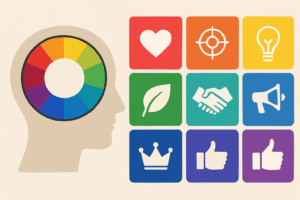 Beyond individual colors, the way colors are combined also matters. A carefully crafted color palette ensures that branding materials maintain harmony and evoke the desired emotional response. Complementary colors can create balance and visual interest, while monochromatic schemes provide simplicity and elegance.
Colors also enhance recognition. Many global companies are identified almost entirely by their color choices. For example, Coca-Cola is instantly recognized by its red branding, while Starbucks is known worldwide for its green. These examples prove that color, when used consistently, becomes a brand asset that sets a company apart from competitors.
In digital design, color choices must also account for accessibility and user experience. Poor contrast can make content difficult to read, leading to frustration. Thoughtful use of colors ensures not only emotional impact but also inclusivity, allowing all users to engage comfortably with the brand.
Ultimately, color psychology is not just about aesthetics—it is a strategic tool that strengthens identity, builds trust, and creates lasting impressions. Businesses that understand and apply color psychology effectively can amplify their brand message and influence customer behavior in powerful ways.
Typography and Its Impact on Brand Perception
Typography may seem like a small detail, but it has a significant impact on branding and design. The fonts a brand chooses communicate personality, tone, and professionalism, influencing how customers perceive and engage with it. Typography is not only about selecting attractive fonts; it is about ensuring legibility, consistency, and alignment with brand values.
Each typeface has its own character. Serif fonts, with their traditional strokes, often convey reliability, authority, and heritage. That is why they are commonly used by institutions such as universities and law firms. Sans-serif fonts, on the other hand, communicate modernity, simplicity, and efficiency, making them popular in tech and contemporary brands. Script fonts suggest elegance and creativity, often associated with luxury or artistic businesses. By selecting the right typefaces, companies can immediately set the tone for their brand identity.
Typography also influences user experience. For instance, clear and readable fonts on websites improve navigation and encourage users to stay longer. On the contrary, poorly chosen or inconsistent typography can frustrate readers and make a brand appear unprofessional. Design elements such as font size, spacing, and hierarchy further determine how information is consumed.
Another crucial aspect of typography is consistency across platforms. A brand must use its chosen fonts in marketing campaigns, websites, social media graphics, and packaging to reinforce recognition. Many companies even develop custom typefaces to create a unique identity that cannot be replicated by competitors.
Typography also interacts closely with other design elements such as color and layout. A bold font paired with strong colors can communicate confidence and energy, while soft fonts with pastel colors may evoke calmness and warmth. This interplay ensures that the brand’s message is visually aligned with its values.
When typography is used strategically, it becomes a powerful brand asset. It tells customers whether a company is traditional or modern, playful or serious, luxurious or budget-friendly. Businesses that invest in thoughtful typography not only improve readability but also create an identity that resonates and remains memorable.
Storytelling Through Visual Branding
Storytelling has always been central to human connection, and in branding, it is one of the most effective tools to engage and inspire customers. Visual branding transforms stories into experiences, allowing companies to communicate their values, mission, and personality in ways that words alone cannot.
A brand story is more than just a company’s history—it is about why the business exists, what it stands for, and how it impacts the lives of its customers. Visual design reinforces this story through consistent use of imagery, graphics, and symbols. For example, a brand that champions adventure may use rugged textures, dynamic photography, and bold visuals to reflect its adventurous spirit. Another brand focused on innovation might use sleek, futuristic designs to express its commitment to progress.
Visual storytelling is especially important in the digital age, where audiences are constantly bombarded with content. A compelling image or design can capture attention faster than text and create an emotional connection instantly. This is why social media platforms, where visuals dominate, have become such powerful tools for storytelling.
Consistency is key in visual storytelling. Every design element—from logos and packaging to website layouts and advertising campaigns—must reinforce the same narrative. When customers encounter the brand multiple times, they piece together these visuals into a cohesive story that defines how they feel about the brand. Over time, this creates stronger loyalty and advocacy.
Furthermore, storytelling through visuals helps humanize brands. People connect with emotions, not abstract concepts. A well-crafted visual story allows customers to see themselves in the brand’s journey, making them feel like participants rather than just consumers. This emotional involvement is what turns first-time buyers into long-term supporters.
Ultimately, storytelling through visual branding is not about decoration; it is about creating meaning. Businesses that master this art can differentiate themselves, inspire customers, and leave a lasting impact in a world overflowing with choices.
Branding and Graphic Design in Digital Marketing
In today’s digital landscape, branding and graphic design have become inseparable from marketing strategies. Digital platforms provide endless opportunities for businesses to connect with audiences, but standing out requires more than just visibility—it requires a strong identity and compelling visuals.
Digital marketing campaigns rely heavily on design to capture attention. From banner ads and social media graphics to email newsletters and website interfaces, visuals determine whether a message is noticed, understood, and remembered. Without engaging design, even the best marketing strategy can fall flat.
Branding provides the foundation for these efforts. A clearly defined identity ensures that all digital marketing content aligns with the company’s voice and values. This consistency makes campaigns more memorable and builds recognition over time. For example, when audiences repeatedly see the same colors, fonts, and visual style across multiple ads, they begin to associate those elements with the brand itself.
Social media is one area where branding and design are especially critical. Platforms like Instagram, Facebook, and LinkedIn are highly visual, and brands must create engaging graphics to attract followers and drive engagement. Here, consistency is key: a cohesive design style across posts not only strengthens identity but also makes the brand appear professional and reliable.
Websites are another crucial touchpoint. A poorly designed site can drive users away within seconds, while a visually appealing and user-friendly site encourages exploration and conversion. Graphic design enhances usability, while branding ensures that the experience reflects the company’s values and promises.
Email marketing also benefits from strong design. A well-branded template with clear visuals and consistent typography increases open rates, clicks, and customer trust. In contrast, poorly designed emails can harm credibility and reduce engagement.
In summary, branding and graphic design are no longer optional in digital marketing—they are essential. They ensure that businesses not only reach their audience but also connect, engage, and inspire them to take action. Companies that prioritize these elements in their digital strategies position themselves for stronger visibility, credibility, and long-term growth.
Building Trust and Credibility with Branding
Trust and credibility are the foundations of any long-term business relationship, and branding plays a central role in building both. Customers today are more cautious and informed than ever before, often researching businesses before making a purchase. A strong brand communicates reliability, consistency, and professionalism, reducing hesitation and encouraging trust.
Branding achieves this by presenting a clear identity that aligns with customer expectations. For example, if a company positions itself as customer-focused, its branding should emphasize friendliness, approachability, and reliability through visuals, tone, and messaging. If the identity feels authentic, customers begin to believe in the brand’s promises. Conversely, inconsistent or poorly designed branding can raise doubts and make a business appear unprofessional.
Design supports this trust-building process by ensuring a polished and cohesive appearance across all customer touchpoints. A professionally designed website, for instance, reassures visitors that the business is legitimate and serious about its image. Consistent use of logos, fonts, and colors across marketing channels reinforces familiarity, which is often the first step toward credibility.
Branding also creates trust by highlighting transparency and values. Companies that communicate their mission and social responsibility clearly through branding are often more trusted by modern consumers. Design can amplify this message by using visuals that reflect honesty, inclusivity, and ethical practices. For example, eco-conscious brands may incorporate sustainable imagery and natural tones to reinforce their commitment to the environment.
Ultimately, customers are more likely to engage with and remain loyal to brands they trust. A strong branding strategy supported by professional design ensures that businesses not only attract attention but also earn credibility that lasts. This credibility then becomes a competitive advantage, setting the business apart in crowded markets.
The Competitive Advantage of Strong Design
In today’s saturated marketplace, where countless brands are fighting for customer attention, strong design is no longer optional—it is a competitive advantage. Businesses that invest in professional, strategic design often outperform those that neglect this aspect, simply because design influences perception, decision-making, and loyalty.
Design provides differentiation. When multiple companies offer similar products or services, design becomes the deciding factor that makes one brand stand out. Unique logos, eye-catching packaging, and visually engaging campaigns immediately capture attention and create a memorable impression. Customers may forget details about a product, but they often remember how the design made them feel.
A strong design strategy also improves usability and customer experience. For instance, a well-designed website with intuitive navigation keeps users engaged longer and increases conversion rates. Similarly, clear and appealing product packaging can influence purchasing decisions at the point of sale. Design is not just about beauty—it directly impacts functionality, accessibility, and ease of use.
Furthermore, design strengthens brand storytelling. Visuals can communicate values and emotions more quickly and effectively than words. A brand that positions itself as luxurious can use elegant design elements such as minimalism, gold tones, and premium typography to reinforce its exclusivity. These design cues signal value and quality, allowing the brand to justify premium pricing.
Another competitive edge comes from consistency. Brands with a unified design approach across platforms look more professional and trustworthy. Customers often associate polished visuals with credibility, while inconsistent or outdated design may suggest carelessness or unreliability.
In essence, strong design is both a strategic investment and a revenue driver. It builds recognition, enhances credibility, and influences customer behavior—all of which give businesses a clear advantage in competitive industries. Companies that prioritize design not only capture attention but also sustain long-term success by creating experiences that customers value and remember.
Branding and Design for Startups
Startups face unique challenges in establishing themselves, often operating with limited resources and fierce competition. For them, branding and graphic design are especially critical because these elements create first impressions and determine how quickly a new business gains credibility. Without strong branding, even the most innovative startup may struggle to stand out in crowded markets.
Branding for startups begins with clarity. New businesses must define their mission, vision, and target audience before crafting their brand identity. This ensures that their message resonates with the right people. A startup focused on innovation, for example, may want branding that communicates modernity, creativity, and disruption. On the other hand, a startup in healthcare might emphasize trust, safety, and compassion.
 Graphic design brings this identity to life. From creating a memorable logo to designing a professional website, design ensures that the brand is communicated visually in a way that customers understand and trust. For startups, design also provides legitimacy. A polished brand presentation can make a small company appear more established, encouraging customers and investors to take them seriously.
Budget is often a concern for startups, but investing in branding and design early pays long-term dividends. While it may be tempting to cut corners with generic templates or inconsistent visuals, this approach can harm credibility. A thoughtful branding strategy, even if simple, sets the foundation for growth. Startups that build strong branding from the start find it easier to scale because their identity is already recognized and trusted.
Finally, branding and design also help startups attract talent and partners. Employees and collaborators are more likely to support a business that presents itself professionally and confidently. Strong design signals that the company is serious about its vision, making it an appealing choice for both customers and stakeholders.
The Future of Branding and Graphic Design
As technology and consumer expectations continue to evolve, the future of branding and graphic design promises to be dynamic, innovative, and highly personalized. Businesses that stay ahead of these trends will be better positioned to engage their audiences and maintain relevance in competitive markets.
One major trend shaping the future is personalization. Customers increasingly expect brands to tailor experiences to their needs and preferences. This will push businesses to create branding strategies and designs that adapt dynamically to individual users. Personalized visuals, interactive content, and data-driven campaigns will play a major role in future branding.
Technology is also transforming how design is created and experienced. Artificial intelligence, augmented reality (AR), and virtual reality (VR) are opening new possibilities. AI can generate personalized design variations, while AR and VR create immersive experiences that allow customers to interact with brands in unique ways. For example, AR apps may let users preview how products look in their homes, while VR can immerse them in branded environments.
Sustainability will also influence future branding. As consumers become more eco-conscious, brands will need to demonstrate responsibility through both messaging and design. Minimalist packaging, eco-friendly materials, and nature-inspired visuals will become more common. Transparency in branding will also be key, as customers increasingly demand authenticity and honesty from businesses.
Additionally, inclusivity and diversity will remain vital. Brands that reflect diverse audiences in their visuals and messaging will connect more deeply with global customers. Design will continue to play a role in breaking stereotypes and promoting representation.
Despite these innovations, the core principles of branding and design will remain unchanged. Authenticity, consistency, and emotional connection will always matter. The tools and techniques may evolve, but the ultimate goal will stay the same: creating meaningful connections between businesses and their audiences. Companies that balance innovation with timeless branding principles will thrive in the future of design.
The Psychology Behind Branding and Graphic Design
The foundation of branding and graphic design lies deeply rooted in human psychology. Every color, shape, and typography choice evokes specific emotions and communicates unspoken messages to the audience. For example, blue often symbolizes trust and professionalism, which is why many banks and corporate businesses incorporate it in their logos and brand identity. On the other hand, red ignites energy, urgency, and passion, making it popular in the retail and food industries. Understanding this psychology allows businesses to craft designs that resonate with their target audience’s subconscious, ensuring their brand remains relatable and memorable.
Psychology also influences how consumers perceive the value of a brand. Sleek and minimalistic designs communicate modernity and sophistication, while playful and bold designs appeal to younger audiences or brands aiming to position themselves as approachable. Typography plays a similar role—serif fonts often signify tradition and authority, while sans-serif fonts represent modernity and simplicity. When combined with a cohesive branding strategy, these psychological elements create a powerful narrative that influences consumer behavior.
Furthermore, businesses that master the psychology of design are able to build stronger emotional connections with their customers. This connection is what drives loyalty, referrals, and trust. Emotional triggers within design help customers not only remember your brand but also associate positive experiences with it. A well-crafted design taps into the human need for identity and belonging, making customers proud to engage with your brand. Ultimately, branding and graphic design are not just about visual appeal; they are about strategically influencing emotions and behaviors to align with business goals.
Conclusion: Elevating Business Success with Branding and Graphic Design
In the modern marketplace, no business can afford to ignore the immense power of branding and graphic design. Together, they shape the way customers perceive, trust, and engage with your brand. A compelling brand identity, supported by professional graphic design, does more than attract attention—it builds recognition, credibility, and loyalty. The digital age has only amplified their importance, as customers now encounter brands across countless online and offline platforms, making consistency and creativity non-negotiable.
From logo design to social media visuals, packaging to web design, every touchpoint serves as a reflection of your brand’s values and vision. Brands that invest in thoughtful strategies and compelling designs position themselves ahead of competitors and enjoy long-term benefits that go beyond mere aesthetics. The fusion of strategy, creativity, and psychology in branding and design ensures that businesses not only stand out but also connect meaningfully with their audiences.
For businesses in need of a trusted partner to navigate this landscape, Appledew UK serves as a beacon of expertise in crafting powerful identities and delivering innovative designs. With the right mix of branding and graphic design, businesses can transform into recognizable, trustworthy, and influential names within their industries. By understanding the psychology behind design, maintaining consistency, and embracing creativity, companies unlock the key to sustainable growth and enduring success. In the end, branding and design are not just tools—they are the language of business identity, and mastering them is the ultimate competitive advantage.