

In the rapidly changing world of digital commerce, businesses need reliable and innovative E-Commerce Solutions to thrive. From secure payment gateways to responsive website designs and advanced customer engagement strategies, modern E-Commerce Solutions empower brands to reach global audiences, increase conversions, and provide personalized experiences. These solutions not only help businesses streamline their online operations but also strengthen brand visibility and customer trust in a highly competitive marketplace.
Introduction
The evolution of the digital marketplace has completely transformed how businesses connect with their customers. As more consumers prefer shopping online, companies must embrace cutting-edge e-commerce technologies to remain competitive. This digital shift requires understanding the tools, strategies, and platforms that can deliver seamless user experiences, fast checkouts, and secure transactions. At Appledew UK, we specialize in empowering brands with powerful E-Commerce Solutions that align with modern trends, helping businesses grow sustainably and reach customers across every digital touchpoint. Through this detailed guide, we will explore the essential elements, advantages, and innovations that define successful e-commerce in today’s digital economy.
Understanding the Core of E-Commerce Solutions
In today’s digital-first world, understanding the core of E-Commerce Solutions is essential for any business that wants to remain competitive. At its foundation, an e-commerce solution combines technology, strategy, and user experience to create a seamless buying and selling process online. Businesses no longer rely solely on physical stores; instead, they depend on digital platforms that connect them directly with consumers around the globe.
A well-structured E-Commerce Solution integrates elements such as secure payment gateways, dynamic product management systems, fast-loading web designs, and advanced analytics. These tools not only simplify the purchase process but also build trust among users. The ease of navigation, responsive interfaces, and optimized checkout experiences encourage visitors to become loyal customers.
A successful e‑commerce platform must be built on secure, scalable, and optimized systems that ensure seamless buying and selling. By integrating technologies such as payment gateways, dynamic catalog systems, and performance‑focused architecture, businesses can deliver fast, safe shopping experiences that elevate conversions and customer satisfaction.
E-Commerce Solutions have reshaped how consumers shop and how brands communicate. The power of automation, real-time data, and mobile-friendly platforms ensures that businesses can respond to market demands instantly. Whether a company sells fashion, electronics, or services, a robust e-commerce infrastructure guarantees flexibility, growth, and sustainability in an ever-evolving digital economy.
The Evolution of E-Commerce Platforms
The journey of e-commerce began with simple online stores that offered basic products through static web pages. Over the years, however, E-Commerce Solutions have evolved into complex ecosystems capable of handling millions of transactions per day. Platforms like Shopify, WooCommerce, Magento, and BigCommerce have made it possible for both startups and large enterprises to establish powerful digital storefronts without excessive technical knowledge.
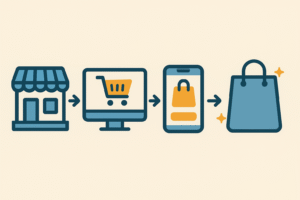 The evolution of e-commerce platforms is driven by the constant demand for better user experience, security, and customization. Early websites relied on basic HTML, but today’s platforms are built using advanced frameworks that support mobile responsiveness, dynamic search filters, and integrated marketing tools. This evolution reflects how customer expectations have shifted — buyers now demand convenience, speed, and personalized shopping experiences.
Additionally, the integration of cloud technology and API-driven frameworks has made it easier for businesses to connect their online stores with other services, such as CRMs, social media, and analytics dashboards. This flexibility enables brands to manage everything from inventory to customer communication in one centralized system.
In essence, the transformation of e-commerce platforms shows how technology adapts to business needs. As the digital landscape continues to evolve, so will E-Commerce Solutions, offering new ways to attract, retain, and delight customers in a borderless marketplace.
Importance of Mobile Optimization in E-Commerce
Mobile optimization has become one of the defining factors of successful E-Commerce Solutions. With more than half of online shoppers using smartphones to browse and purchase products, ensuring that an e-commerce website functions flawlessly across all devices is crucial. A mobile-optimized platform doesn’t just enhance user experience—it directly affects conversion rates, SEO rankings, and brand credibility.
When users visit an e-commerce site on their phones, they expect fast loading times, simple navigation, and secure payment options. A delay of even a few seconds can lead to abandoned carts and lost sales. Therefore, optimizing for mobile involves improving page speed, using responsive design, and ensuring that all multimedia elements scale properly across different screen sizes.
Furthermore, mobile-first indexing by search engines means that the mobile version of your site determines how it ranks online. Businesses that ignore this reality risk losing visibility in organic search results. The best E-Commerce Solutions also include mobile apps or progressive web apps (PWAs), giving users direct and immersive access to products and services.
Ultimately, mobile optimization is not just a design choice; it’s a strategic necessity. By prioritizing mobile experiences, businesses enhance user satisfaction, foster loyalty, and increase overall sales performance. In a world where convenience defines customer behavior, mobile-friendly E-Commerce Solutions serve as the foundation for long-term digital success.
Role of Artificial Intelligence in E-Commerce Solutions
Artificial Intelligence (AI) has revolutionized the way online businesses operate. Modern E-Commerce Solutions leverage AI to create smarter, faster, and more personalized shopping experiences. AI-driven systems analyze customer preferences, predict buying patterns, and automate key business processes such as pricing, marketing, and inventory control.
One of the most visible applications of AI in e-commerce is product recommendation engines. By studying user behavior and browsing history, AI suggests items that match individual tastes, increasing conversion rates and customer engagement. Similarly, chatbots powered by AI provide instant customer support, guiding users through purchases, resolving queries, and even handling refunds or returns efficiently.
Another major contribution of AI lies in fraud detection and security enhancement. Machine learning algorithms continuously monitor transactions to identify unusual activities, protecting both businesses and consumers from potential threats. AI also assists in optimizing marketing strategies through data-driven insights, allowing brands to target the right audiences at the right time.
As AI technology continues to advance, it will redefine how businesses approach digital commerce. The integration of AI with E-Commerce Solutions will not only improve operational efficiency but also create a more intuitive and personalized shopping journey, transforming casual browsers into lifelong customers.
Integrating Payment Gateways and Secure Transactions
Security and convenience are at the heart of every successful online business, and integrating reliable payment gateways is one of the most critical aspects of E-Commerce Solutions. Customers expect fast, secure, and diverse payment options that ensure their personal and financial information remains protected.
Modern e-commerce platforms support multiple gateways, including PayPal, Stripe, Apple Pay, and cryptocurrency solutions. The integration process involves connecting your website with secure APIs that manage transactions, prevent fraud, and confirm payments in real time. Each payment gateway follows strict compliance protocols like PCI DSS, ensuring that sensitive data is encrypted and handled safely.
Moreover, the role of SSL certificates and two-factor authentication adds an extra layer of security to customer transactions. Businesses that prioritize these measures not only protect users but also build trust and credibility. Transparency during checkout—showing users that their data is secure—reduces cart abandonment and boosts confidence.
The success of any online store depends on how smoothly customers can complete their purchases. A well-implemented payment system creates a frictionless experience, allowing users to pay with their preferred methods quickly. In the modern era, secure payment integration is more than a technical requirement—it’s a promise of reliability, one that defines the credibility of your brand and the strength of your E-Commerce Solution.
Enhancing User Experience (UX) for Higher Conversions
Creating an exceptional User Experience (UX) is at the center of every successful E-Commerce Solution. The way users interact with your website can determine whether they make a purchase or leave without buying anything. A well-designed user experience blends functionality, aesthetics, and performance to keep customers engaged and satisfied throughout their shopping journey.
A positive UX starts with understanding customer needs. From intuitive navigation menus to clean layouts and simplified checkouts, every element should serve the goal of making shopping effortless. A user-friendly interface builds trust, while smooth transitions and minimal distractions increase the chances of conversion. Even something as small as clear product descriptions or optimized images can drastically influence buyer decisions.
E-Commerce Solutions that emphasize UX also focus on speed and accessibility. A website that loads within seconds creates a strong impression and reduces bounce rates. Additionally, incorporating accessibility features for all types of users ensures inclusivity and broadens your audience reach.
Beyond design, emotional connection matters too. Personalized recommendations, customer reviews, and real-time support tools make visitors feel valued. The more a customer feels understood, the higher the likelihood they will return. A great user experience doesn’t just attract one-time buyers—it builds relationships and strengthens brand loyalty.
In conclusion, improving UX is not an optional enhancement but a vital investment in the long-term success of any e-commerce business. It turns visitors into loyal customers and your online store into a trusted digital brand.
The Power of Data Analytics in E-Commerce Solutions
Data is the driving force behind every modern business decision. In the world of E-Commerce Solutions, analytics play a pivotal role in understanding customer behavior, measuring campaign effectiveness, and improving overall performance. By collecting and interpreting valuable data, businesses can identify trends, anticipate customer needs, and optimize their strategies for maximum profit.
Through powerful analytics tools like Google Analytics, Hotjar, or custom dashboards integrated into e-commerce platforms, brands can monitor user journeys, traffic sources, and conversion rates. This information helps business owners pinpoint what’s working and what needs adjustment. For instance, if a product page has high views but low conversions, analytics can reveal whether pricing, layout, or load time is the issue.
Furthermore, predictive analytics enables companies to forecast future trends based on historical data. This technology allows retailers to stock the right inventory, prepare for seasonal demand, and personalize marketing campaigns. Every click, search, and purchase becomes a data point that can shape better business decisions.
E-Commerce Solutions that incorporate data-driven insights give businesses a competitive edge. They allow for smarter marketing, efficient operations, and improved customer satisfaction. In essence, data analytics transforms raw numbers into actionable strategies, turning uncertainty into growth and guiding companies toward measurable success.
Personalization and Customer Retention Strategies
In the modern e-commerce landscape, personalization is no longer a luxury—it’s an expectation. Customers want brands to understand their preferences and deliver tailored experiences that feel unique. E-Commerce Solutions today use advanced algorithms, behavioral data, and AI-driven tools to create individualized shopping journeys that strengthen brand loyalty and improve retention.
Personalization begins the moment a visitor lands on your site. Dynamic content such as customized product recommendations, targeted discounts, and location-based offers enhances engagement and keeps customers browsing longer. A returning user should feel instantly recognized, with past purchases and preferences influencing their current experience.
Beyond personalization, customer retention is equally important. It costs significantly less to retain an existing customer than to acquire a new one. Effective retention strategies include loyalty programs, exclusive offers, and personalized email marketing campaigns. These approaches not only increase repeat sales but also foster emotional connections with the brand.
E-Commerce Solutions that master personalization are more likely to build lasting customer relationships. By understanding behavior patterns and delivering relevant content, businesses can transform casual shoppers into dedicated brand advocates. The power of personalization lies in its ability to make every customer feel seen, valued, and understood—key ingredients for sustained online success.
SEO Optimization for E-Commerce Success
Search Engine Optimization (SEO) remains one of the most powerful digital tools for driving organic traffic to online stores. A well-optimized E-Commerce Solution ensures that your products are easily discoverable when users search for them online. SEO for e-commerce is more than just keywords; it’s a strategic blend of content quality, site structure, and technical performance.
 To start, every product page must include relevant keywords, descriptive titles, and meta tags that match user intent. Search engines prioritize websites that provide accurate information and a great user experience. Therefore, optimizing product descriptions, URLs, and alt text for images is essential. Additionally, technical SEO—such as improving site speed, mobile responsiveness, and SSL security—plays a major role in achieving higher rankings.
Another crucial element is content marketing. By publishing blogs, guides, and videos related to your niche, you can increase your site’s authority and bring more organic visitors. Search engines reward consistency, so regularly updating your website with valuable, keyword-rich content strengthens its visibility.
When done correctly, SEO becomes a long-term investment that continuously drives traffic without paid advertising. Strong E-Commerce Solutions incorporate SEO best practices from the ground up, ensuring that every page contributes to discoverability, credibility, and higher conversion rates.
Multi-Channel Selling and Integration
Today’s customers shop across multiple platforms—websites, social media, marketplaces, and even mobile apps. For this reason, multi-channel selling has become an essential feature of successful E-Commerce Solutions. It allows businesses to expand their reach, connect with new audiences, and boost sales through diversified online presence.
Integrating your e-commerce store with platforms like Amazon, eBay, Facebook, and Instagram enables you to list products in multiple places while managing everything from a single dashboard. This integration not only saves time but also ensures consistency across all channels—prices, inventory, and order details are synchronized automatically.
Moreover, social commerce has gained tremendous popularity. Shoppers can now purchase directly from social media platforms without visiting a separate website. This convenience shortens the buyer journey and increases impulse purchases. Businesses that leverage multi-channel strategies can engage customers at every stage of their decision-making process.
E-Commerce Solutions that support cross-channel integration make it easier for brands to scale globally. Whether it’s syncing inventory or managing digital marketing efforts, these systems provide a unified view of all sales activities. In an age where consumers interact with brands across multiple touchpoints, multi-channel selling ensures that your business stays visible, relevant, and profitable everywhere your audience is active.
Building Trust Through Secure E-Commerce Solutions
Trust is the cornerstone of every successful online transaction. In the digital marketplace, where customers cannot physically see or touch products, trust becomes the deciding factor in whether they complete a purchase. Reliable E-Commerce Solutions focus heavily on ensuring security, transparency, and consistency to establish long-term relationships with customers.
Security starts with implementing SSL certificates, encrypted connections, and compliance with data protection standards like GDPR and PCI DSS. These measures safeguard sensitive customer information, such as credit card details and personal data, against cyber threats. When users see the familiar padlock icon in their browser, they feel reassured that their data is being handled responsibly.
Beyond technical safeguards, trust is also built through reputation and transparency. Displaying honest product reviews, detailed return policies, and clear contact information makes your brand appear more credible. Providing fast customer support and resolving issues efficiently demonstrates accountability. Customers are more likely to return when they know they’re dealing with a trustworthy business.
E-Commerce Solutions designed with trust in mind go beyond protection—they enhance credibility and customer satisfaction. From verified payment gateways to transparent business practices, these measures turn first-time visitors into repeat buyers. In a world full of online competition, gaining and maintaining customer trust remains the ultimate differentiator that fuels sustainable growth.
The Role of Social Media in E-Commerce Growth
Social media has become one of the most powerful tools for e-commerce expansion. Platforms like Instagram, Facebook, TikTok, and Pinterest not only influence purchasing decisions but also create new opportunities for brand visibility and engagement. Successful E-Commerce Solutions integrate social media strategies that merge content creation, advertising, and community building to drive consistent traffic and conversions.
Social media enables brands to showcase products in creative ways—through stories, videos, and influencer collaborations. Each post, live session, or ad campaign helps businesses build stronger emotional connections with their target audience. Furthermore, social proof, in the form of user-generated content and testimonials, boosts credibility and encourages new customers to trust your brand.
Paid advertising on social platforms allows for precise audience targeting. You can reach customers based on age, interests, location, and shopping behavior. This targeted approach maximizes your return on investment while minimizing wasted ad spend. Additionally, integrating shoppable posts and direct checkout options shortens the buying journey, making it easier for users to purchase without leaving the app.
When combined with an effective E-Commerce Solution, social media becomes a dynamic sales engine. It not only attracts new customers but also nurtures loyal followers who actively engage with your brand. In today’s hyperconnected world, social media is no longer just a marketing tool—it’s an essential extension of your online store.
Cloud-Based E-Commerce Solutions for Scalability
The cloud has transformed how e-commerce businesses operate by offering scalability, flexibility, and efficiency. Cloud-based E-Commerce Solutions allow companies to manage their online stores, databases, and applications from anywhere, reducing the need for expensive infrastructure. This approach provides businesses with the ability to scale up or down based on demand, ensuring that websites perform optimally even during high-traffic periods.
Cloud hosting platforms like AWS, Google Cloud, and Microsoft Azure deliver reliability and speed, ensuring that e-commerce websites remain accessible 24/7. They also enhance security by offering automatic updates, backups, and disaster recovery features. As customer traffic fluctuates, cloud servers can dynamically allocate resources, preventing crashes or slowdowns.
Another key advantage of cloud-based solutions is cost-effectiveness. Businesses only pay for the resources they use, making it ideal for startups and growing enterprises. Additionally, integration with cloud-based CRMs and analytics tools provides real-time insights that help businesses make smarter decisions.
In today’s competitive landscape, the ability to scale quickly is critical. Cloud-powered E-Commerce Solutions enable companies to handle growth seamlessly while maintaining high performance and security. This technological advancement ensures that online stores remain agile, responsive, and ready to meet the ever-changing demands of the digital marketplace.
The Impact of Customer Support in E-Commerce
Customer support plays a vital role in shaping the success of any online business. While many companies focus on design and marketing, exceptional customer service often becomes the defining factor that turns one-time buyers into loyal clients. Advanced E-Commerce Solutions integrate customer support tools that ensure fast, effective, and personalized assistance throughout the customer journey.
A well-structured support system can include live chat, AI-powered chatbots, email support, and ticketing systems. These tools allow businesses to respond instantly to inquiries, process returns, and resolve issues efficiently. A quick response not only increases customer satisfaction but also builds brand reputation.
Personalized customer support helps users feel valued and understood. By leveraging purchase history and user data, agents can provide relevant solutions, making customers feel like more than just a transaction. Transparency in policies, proactive communication, and follow-ups further enhance the customer experience.
E-Commerce Solutions that prioritize customer support also encourage feedback and reviews. Positive experiences shared by satisfied customers act as social proof, influencing new visitors to trust your brand. In the long run, effective customer support is not just a service feature—it’s a competitive advantage that directly contributes to brand loyalty and retention.
Automation and Workflow Optimization in E-Commerce
Automation has become a game-changer in the e-commerce industry, helping businesses save time, reduce errors, and improve efficiency. By automating repetitive tasks such as inventory management, email marketing, and order processing, E-Commerce Solutions allow companies to focus on strategy and customer engagement instead of manual operations.
Automated systems ensure that inventory levels are updated in real time, reducing the risk of overselling or stockouts. Email automation helps businesses stay connected with customers through personalized messages, abandoned cart reminders, and post-purchase follow-ups. These timely interactions boost engagement and sales without requiring constant manual input.
In addition to operational automation, advanced E-Commerce Solutions offer workflow optimization tools. These include predictive analytics, automated pricing adjustments, and AI-driven supply chain management. Such systems streamline complex processes and eliminate inefficiencies, ensuring smooth day-to-day operations.
Ultimately, automation transforms the way businesses operate by introducing precision and scalability. It enables e-commerce platforms to run more effectively, reduce human error, and deliver consistent results. As technology continues to evolve, automation will remain the backbone of efficiency in E-Commerce Solutions, giving businesses the power to grow smarter and faster than ever before.
The Future of E-Commerce: Trends and Innovations
The future of E-Commerce Solutions is being shaped by technological breakthroughs, evolving customer expectations, and global connectivity. The next decade will redefine how consumers shop and how brands operate. As digital transformation accelerates, businesses must adapt quickly to remain relevant and competitive.
One of the most promising innovations is augmented reality (AR), which allows customers to visualize products before buying. Whether trying on virtual clothes or previewing furniture in their homes, AR enhances decision-making and reduces return rates. Similarly, voice commerce powered by AI assistants like Alexa and Google Assistant is making shopping more convenient through hands-free experiences.
Sustainability is another rising trend. Eco-conscious consumers prefer brands that practice ethical sourcing and use recyclable packaging. As a result, E-Commerce Solutions are integrating sustainability tracking tools that help businesses monitor and reduce their environmental impact.
Moreover, blockchain technology is revolutionizing online transactions by increasing transparency and security. It ensures product authenticity and builds trust through verifiable digital records. Meanwhile, automation and AI will continue to drive personalization, customer insights, and smart logistics.
The future of e-commerce belongs to those who embrace innovation. By investing in adaptive E-Commerce Solutions, businesses can stay ahead of competitors and deliver futuristic shopping experiences that resonate with the next generation of digital consumers.
Measuring the Success of Your E-Commerce Strategy
To thrive in the digital marketplace, businesses must continually measure and refine their performance. Evaluating the effectiveness of your E-Commerce Solutions helps determine what works, what doesn’t, and where improvements can be made. This measurement process transforms guesswork into data-driven decision-making.
 Key performance indicators (KPIs) such as conversion rate, average order value, bounce rate, and customer lifetime value reveal valuable insights about user behavior. Monitoring these metrics through analytics tools helps identify opportunities for growth. For example, a high bounce rate might signal poor UX or slow loading times, while a low conversion rate could indicate issues with pricing or product presentation.
Customer feedback is another essential element of success measurement. Reviews, surveys, and social media interactions provide direct insight into user satisfaction. Businesses that actively listen to their audience can adjust their strategies quickly and effectively.
Additionally, analyzing marketing performance—such as organic traffic, paid ads, and email campaigns—helps identify which channels generate the highest ROI. Combining these insights with automation tools creates a continuous improvement loop, ensuring that every effort aligns with business goals.
In short, success in e-commerce is not a one-time achievement but a process of constant optimization. By tracking metrics and responding to data, businesses ensure that their E-Commerce Solutions remain efficient, profitable, and future-ready.
Why Businesses Need Expert E-Commerce Development Partners
While DIY platforms have made it easier to start an online store, building a professional, scalable, and secure e-commerce presence requires expert guidance. Partnering with professionals who specialize in E-Commerce Solutions can dramatically improve your business performance, ensuring every aspect of your online store functions seamlessly and aligns with long-term goals.
Expert developers understand how to integrate cutting-edge technologies, optimize UX, and implement security features that protect your brand and customers. They also tailor solutions to meet specific business needs, whether it’s a small startup or a large enterprise. From backend development to UI design and SEO optimization, their expertise ensures that every component works together for smooth operation.
Moreover, professional e-commerce partners offer ongoing support and maintenance. As the digital landscape evolves, your platform needs regular updates to remain competitive. These experts provide performance monitoring, software upgrades, and strategic improvements that keep your website efficient and secure.
By working with experienced professionals, businesses can save time, avoid costly mistakes, and achieve measurable results. Investing in expert E-Commerce Solutions is not just a technical decision—it’s a strategic move toward long-term success and digital dominance in a crowded marketplace.
Conclusion
In today’s hyper-digital world, businesses can no longer afford to ignore the power of E-Commerce Solutions. From enhanced user experience to automated workflows, data analytics, and cloud integration, every component plays a vital role in shaping a successful online business. The evolution of technology continues to empower brands to connect more deeply with customers and operate with greater efficiency.
At Appledew UK, we understand the importance of combining innovation, strategy, and creativity to deliver robust E-Commerce Solutions that drive results. Our goal is to help businesses build digital stores that are not only visually appealing but also optimized for performance, security, and growth.
As the future of e-commerce unfolds, only those who embrace technology, personalization, and continuous improvement will thrive. Investing in modern, adaptive E-Commerce Solutions ensures your business stays ahead of trends, meets customer expectations, and secures a lasting place in the ever-expanding digital marketplace.
AI Implementation Prompt for E-Commerce Growth Solutions Blog Post
“You are a digital business growth expert and AI assistant. Using the content and strategies outlined in the blog post titled ‘E-Commerce Growth Solutions: Building Future-Ready Online Businesses,’ create a step-by-step action plan for implementing a complete e-commerce solution. Your plan should include:
- A modern e-commerce platform setup (Shopify, WooCommerce, Magento, or BigCommerce) with mobile optimization and cloud scalability.
- Integration of multiple secure payment gateways, including PayPal, Stripe, and Apple Pay, with PCI DSS compliance.
- UX improvements for higher conversions, including intuitive navigation, fast page load, optimized product pages, and accessibility features.
- AI-driven personalization strategies such as product recommendations, chatbots for customer service, and dynamic email campaigns.
- Data analytics setup to track KPIs like conversion rate, bounce rate, average order value, and customer lifetime value, including predictive analytics for inventory management.
- SEO optimization for all product pages, including meta tags, alt text, site structure, and content marketing.
- Multi-channel selling strategies integrating marketplaces (Amazon, eBay), social media platforms (Instagram, Facebook), and your website.
- Social media marketing and paid ad campaigns, including influencer collaboration and shoppable posts.
- Customer retention strategies including loyalty programs, personalized emails, and feedback collection.
- Automation of workflows such as inventory management, abandoned cart emails, and order processing.
- Security measures, trust-building strategies, and customer support integrations.
- Future-proofing strategies, including AR/VR product previews, voice commerce, and sustainability tracking.
Generate a detailed roadmap, prioritizing tasks, assigning timelines, and recommending tools/software for each step. Provide actionable instructions that can be implemented immediately by a business owner or an e-commerce manager. Make sure your recommendations align with Google’s search quality guidelines and industry best practices.”